Kislovodsk: How to Walk Through the Resort Park Without Getting Tired in Half an Hour

Photo: Sergey Norin from Moscow, Russia, CC BY 2.0
You are standing at the main gates of the Resort Park. In your hands is a printed map that the wind tries to tear from your fingers. Around you moves a stream of people: someone walks fast with sticks, someone walks slowly with children, someone just sits on benches. The question arises: where exactly to head now, so as not to waste time and not get tired in half an hour? The map shows dozens of paths, but does not say where the asphalt is and where the steep climb is. Where is that very view that everyone comes for, and is it worth going there at all?
This text is not about the history of the resort's foundation nor about the healing properties of water in numbers. It is about the logic of movement across the territory, which looks simple only at first glance. It is easy to get lost here not geographically, but physically: to embark on a route that requires preparation when you are in city shoes. Or to miss a place where it is quiet, because you went where it is noisy.
Narzan Gallery: Starting Point
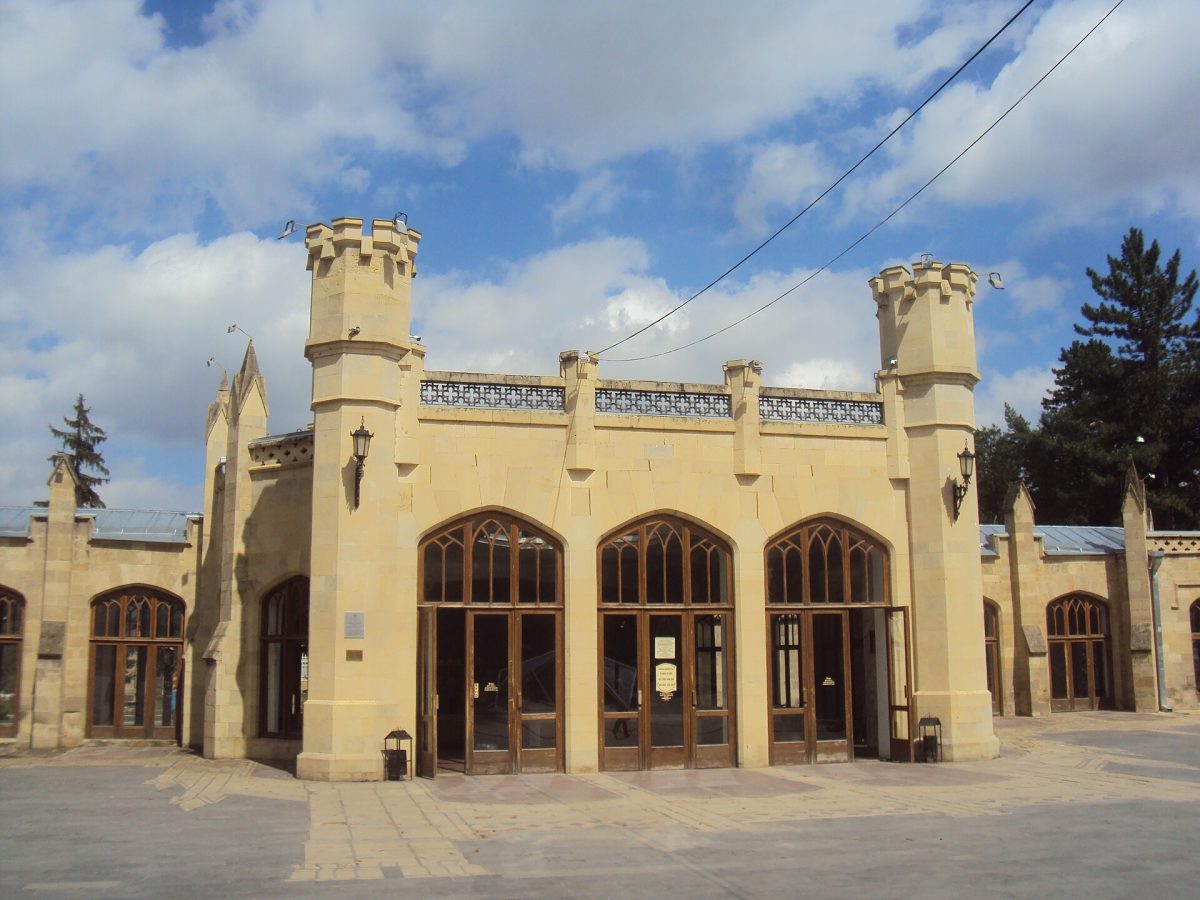
Any route starts here. This is not just a beautiful building with columns, but a functional hub. Inside there are taps with water of different temperatures and mineralization. People often make a mistake trying to fill huge bottles with water right at the entrance. This creates queues and interferes with those who came to drink a glass according to the rules.
The process of taking water requires adherence to a regime. You cannot drink quickly, you need to take sips slowly, while moving or sitting on a bench nearby. The water has a specific taste that you need to get used to. If you feel discomfort, it is better to stop and switch to regular drinking water, which you should have with you.
The architecture of the building allows you to take shelter from rain or sun. It is cool inside even in the heat. This is a good place to check the map before heading out to the main territory. Here you can also find a toilet and souvenir points, but prices there are usually higher than in the city. If you need magnets or local sweets, it is better to postpone the purchase until returning to the center.
Park Structure: Lower, Middle, Upper Parts
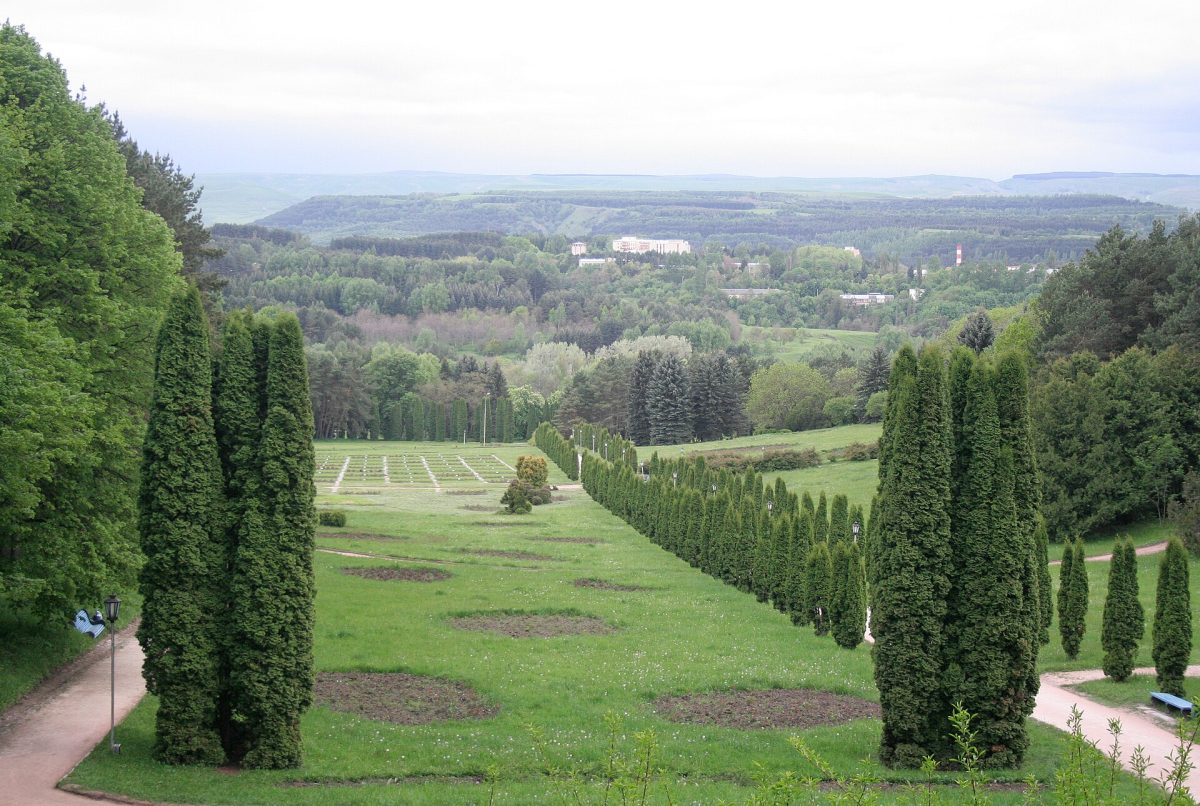
The Resort Park is divided into three zones by relief. Understanding this structure will save your legs.
- Lower Park. Here are flat paths, flower beds, bridges over the Olkhovka. The main mass of tourists is exactly here. Noisy, many children, souvenir sellers. For a walk with a stroller or elderly relatives — an ideal option.
- Middle Park. The climb begins. Asphalt changes to tiles and ground. There are fewer people. Benches appear in the shade of trees. Here you already need to watch your breathing.
- Upper Park. This is the territory of the Kislovodsk National Park. Good physical fitness is required. Paths are narrow, elevation changes are significant. It is exactly here that the air is located for which people come to the Caucasus.
Many try to pass all three zones at once without preparation. This leads to the fact that halfway forces run out, and you have to return down, skipping the most interesting views. If you do not play sports regularly, limit yourself to the lower and part of the middle park. This will not reduce the impression, but will preserve health.
Valley of Roses: Seasonality and Scents
This section is often called mandatory, but there is a nuance. The Valley of Roses blooms at a certain time. If you came in autumn or winter, you will see neat bushes, possibly with winter cover, but not a sea of flowers. The smell will be weak or absent altogether.
In summer it really smells strongly of roses here. The place is located in the lower part, so access to it is available to everyone. Photosessions are often held here. If you want to take photos without other people in the frame, come early in the morning. During the day there are many tourists here who block the view.
Around the Valley of Roses there are cafes. Prices in them vary. You can have a snack, but it is better to have water and a light snack with you. Heavy food before climbing to the upper part of the park is contraindicated. This will create extra load on the body.
Olympic Viewing Platform: Is the Climb Worth It
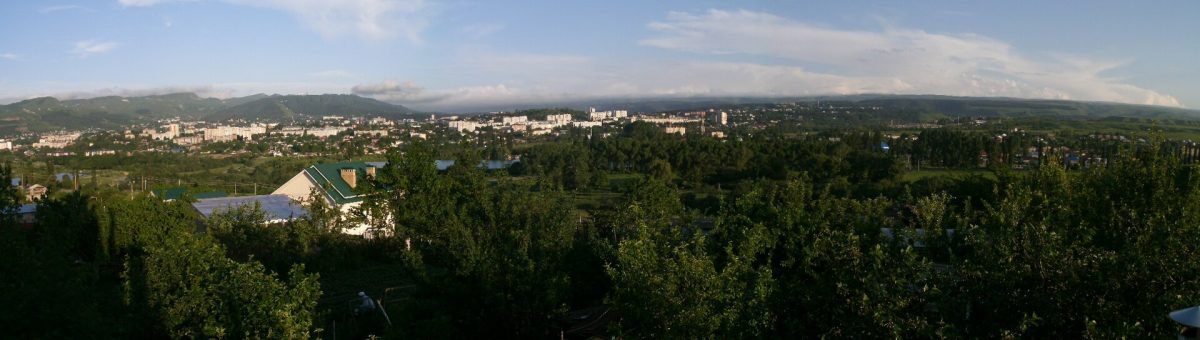
Here you need to make an honest decision. The platform is located high. To get to it, you need to pass a serious section of climb. The view from there opens to the city and mountains. In clear weather Elbrus is visible.
But there is a condition: if you have problems with knees, pressure or heart — skip this point. The view is beautiful, but it is not worth the risk to health. There are other viewpoints in the lower part that require less effort. For example, bridges over the river give a good angle on the gallery building and surrounding slopes.
If you decide to go, do it in the first half of the day. After lunch the sun may shine in your face, which interferes with photography. In addition, by evening fatigue accumulates, and the descent can become dangerous. Paths are slippery in places, especially after rain. Shoes must have good tread.
Opinion: The Upper Park is not a walk, it is a workout. If you are going for healing air and peace, stay in the middle part. It is quieter there, and the air is almost the same.
It is often windy on the platform itself. Even if it is hot below, it can be cool here. Have a windbreaker or fleece with you. You won't be able to stand there long due to the wind, so take a photo and go down. There is no point in lingering if you are not planning a picnic, and for a picnic there are special zones lower down.
Kislovodsk Fortress and Cathedral of St. Nicholas
These objects are located outside the park, but are logically connected to the route. The Fortress is the historical beginning of the city. The walls are partially preserved. Inside now there is a local history museum and an art workshop. Entry to the fortress territory is free, you need to pay separately for the museum.
The Cathedral of St. Nicholas is visible from many points of the park. This is an active temple. If you plan to go inside, you need to observe the dress code. For women head covering, closed shoulders. For men removal of headwear. It is quiet inside, you can stand, rest from the noise of tourist groups.
The route from the park to the fortress takes time. These are not neighboring buildings, there is urban development between them. You need to cross roads, descend to the river. If you are tired in the park, it is better to get to the fortress by transport or postpone for another day. Combining a long walk through the upper park and inspecting the fortress at once is physically difficult for an unprepared person.
Clothing and Equipment: What You Really Need
A list of things that is often ignored, thinking that this is a resort and everything is simple here. But the relief dictates its own conditions.
- Shoes. Sneakers with ankle fixation. No flip-flops, high heels or flat thin soles. You will walk a lot, and your legs will say thank you for the amortization.
- Headwear. Cap or panama are mandatory in sunny weather. There is a lot of shade, but there are open areas, especially on viewing platforms.
- Water. One liter per person minimum. Despite the presence of narzan, regular water is needed to quench thirst. Mineral water does not replace regular water during active walking.
- Raincoat. Weather in the mountains changes quickly. An umbrella is inconvenient, as hands are busy (sticks, phone, map). A light raincoat in a backpack will not take up space.
- First aid kit. Basic set: plaster, painkiller, allergy remedy. It is far to walk to a pharmacy in the city if you are in the upper park.
Many take heavy backpacks with them. This is unnecessary. You only need a small backpack for water and clothes. Extra weight tires faster. If you plan a picnic, use special zones, and do not drag food with you through the entire route.
Visiting Time: Morning or Evening
Morning is the best time. The park opens early. At 7-8 am there are almost no people here. The air is fresh, birds sing, no one pushes on the paths. You will have time to pass most of the route before the heat starts and before the influx of excursion groups.
Evening is also possible, but there are nuances. Lighting is not everywhere. In the upper park it gets dark faster due to the mountains. Descending in twilight on unfamiliar paths is unsafe. If you go in the evening, stay in the lower part, where there are lights and people.
Lunchtime is the peak of activity. From 12 to 15 hours there is the most noise here. If you want silence, it is better to spend this time in a cafe or hotel. Or choose less popular trails in the middle part of the park.
What Not to Do in the Park
There are things that spoil the impression and create problems. It is better to avoid them so as not to spoil the rest for yourself and others.
- Do not feed squirrels from your hands if you do not have special nuts. Bread and cookies are harmful to them. Animals get used to people and can become aggressive if there is no food.
- Do not go off marked trails in the upper park. There is a risk of meeting wild animals or getting injured on a steep slope. Signs are hung not just for nothing.
- Do not turn on music loudly. You are not alone in the park. Many came here for silence and the sound of nature. Speakers disturb the peace of other visitors.
- Do not leave trash. There are bins, but there may not be any on distant trails. Trash needs to be taken with you to the nearest collection point.
- Do not try to run the entire route for speed. This is not a stadium. The pace should be walking, so that the pulse does not go off scale, especially at height.
Separately about narzan. Do not drink it by liters. This is healing water, it has a dosage. Excess mineral salts can harm the kidneys. If you have not consulted a doctor, limit yourself to one or two glasses a day.
Transport and Logistics
The entrance to the park is located in the center of the city. You can get there on foot from most hotels in the resort area. If you live far away, there is public transport. Stops are located near the main gates.
There are several exits from the park. You can exit at different points of the city. This is convenient if you are building a circular route. But you need to look on the map in advance where you will end up. Some exits lead to residential areas where it is difficult to catch a taxi.
Taxi in the city works actively. Applications work stably. But at peak hours a car may take a long time. Take this into account if you have limited time. It is better to have a reserve of about an hour and a half for return and the road to the station or airport.
Kislovodsk National Park: Boundaries
It is important to understand the difference. The Resort Park is a landscaped territory in the city. Kislovodsk National Park is a huge protected zone around, including mountains and forests. Entry to the national park may be paid on some sections, permits are required for certain zones.
If you see a national park sign, rules become stricter. Fires are strictly prohibited. Collecting plants is prohibited. Vehicle traffic is limited. This is wild nature, not a city alley. Respect for rules here is a matter of safety and environmental preservation.
National park routes require separate preparation. This is no longer a walk, but a hike. Registration is needed, special equipment, knowledge of the area. If you are not an experienced tourist, stay within the boundaries of the Resort Park. There are enough attractions there for several days of walks.
Personal Attitude to the Route
I believe that the upper part of the park is overestimated by the mass tourist. Everyone runs to the viewing platforms, pushes, takes the same photos. Meanwhile, the middle part of the park is empty. There are old trees, quiet alleys, views no worse, but without fuss.
If you are going with children — skip this point in terms of long standing at viewpoints. Children get bored looking at mountains for ten minutes. They are more interested in squirrels, bridges, running on flat paths. Do not force them to go up through force. This will discourage the desire to walk in the future.
There is an opinion that you need to pass everything in one day. This is incorrect. The park is large. It can be divided into sectors and walked over several days. This way you will see more details, will not be tired and will be able to return to favorite places.
Food on the Route
In the lower part there are many cafes. In the upper part there are no food points. Only water vending machines or rare kiosks in season. Calculate your strength. If you are going to the upper park, take food with you. Energy bars, fruits, nuts will do.
Water is sold on the route, but prices are higher than city prices. It is more profitable to take your own bottle and fill it with drinking water at the beginning of the path. It is not recommended to quench thirst with narzan under load due to carbonation and salts.
Safety and Communication
In the lower part communication works well. In the upper park, in gorges and behind ridges, signal may disappear. Tell relatives where you are going and when you plan to return. This is a standard precaution for any mountainous area.
Rescue service in the region works operatively. But arrival time depends on your location. If you are in a hard-to-reach place, help will not come immediately. Therefore, do not risk and climb where a ban is hanging.
Wild animals are rare, but they exist. Boars, roe deer. Do not approach them closely. Do not try to feed them. These are wild beasts, they can be dangerous, especially females with cubs.
Photography
Light in the mountains is hard. At noon shadows are deep, contrast is high. Best photos are obtained in the morning or closer to sunset. Then the light is soft, colors are saturated.
It is worth taking a tripod if you plan shooting on long exposure or in twilight. But carrying it is heavy. If you are just a tourist, stabilization in phone or camera is enough. The main thing is clean optics. Dust on lenses spoils the frame more than the lack of professional equipment.
Do not forget to photograph details: tree bark, stones, water in the stream. Landscapes are good, but details convey the atmosphere better. Later, looking at a photo of a stone in moss, you will remember the smell of the forest brighter than the view of a mountain.
Return
Exit from the park should be smooth. Do not run to the gates. Walk slowly the last ten minutes so that the pulse calms down. A sharp stop after load is harmful to the heart.
After walking legs may buzz. In the evening it is useful to make a foot bath or just lie down with raised legs. This will help recover for the next day. If you plan to walk again, recovery is important.
In the city there are many places where you can continue the evening. Restaurants, embankment, theaters. But after a long route through the park you often just want silence and dinner in the hotel. This is normal. Do not need to put checkboxes everywhere. Rest should be rest.


