Kaliningrad Region in Three Days: City, Spit, and Sea

Photo: Rimantas Lazdynas, CC BY-SA 3.0
The Kaliningrad Region is convenient because it all fits within a radius of one hundred kilometers. From the regional center you can leave for the coast in the morning and return in the evening — and so three days in a row, without changing accommodation. Distances are short, roads are decent, and the difference between the city, spit, and sea is noticeable.
Day One: Kaliningrad
Almost nothing remains of the city as it was before 1945: the center burned out after August bombings and the subsequent assault. What survived stands in islands, and the route is built around them.
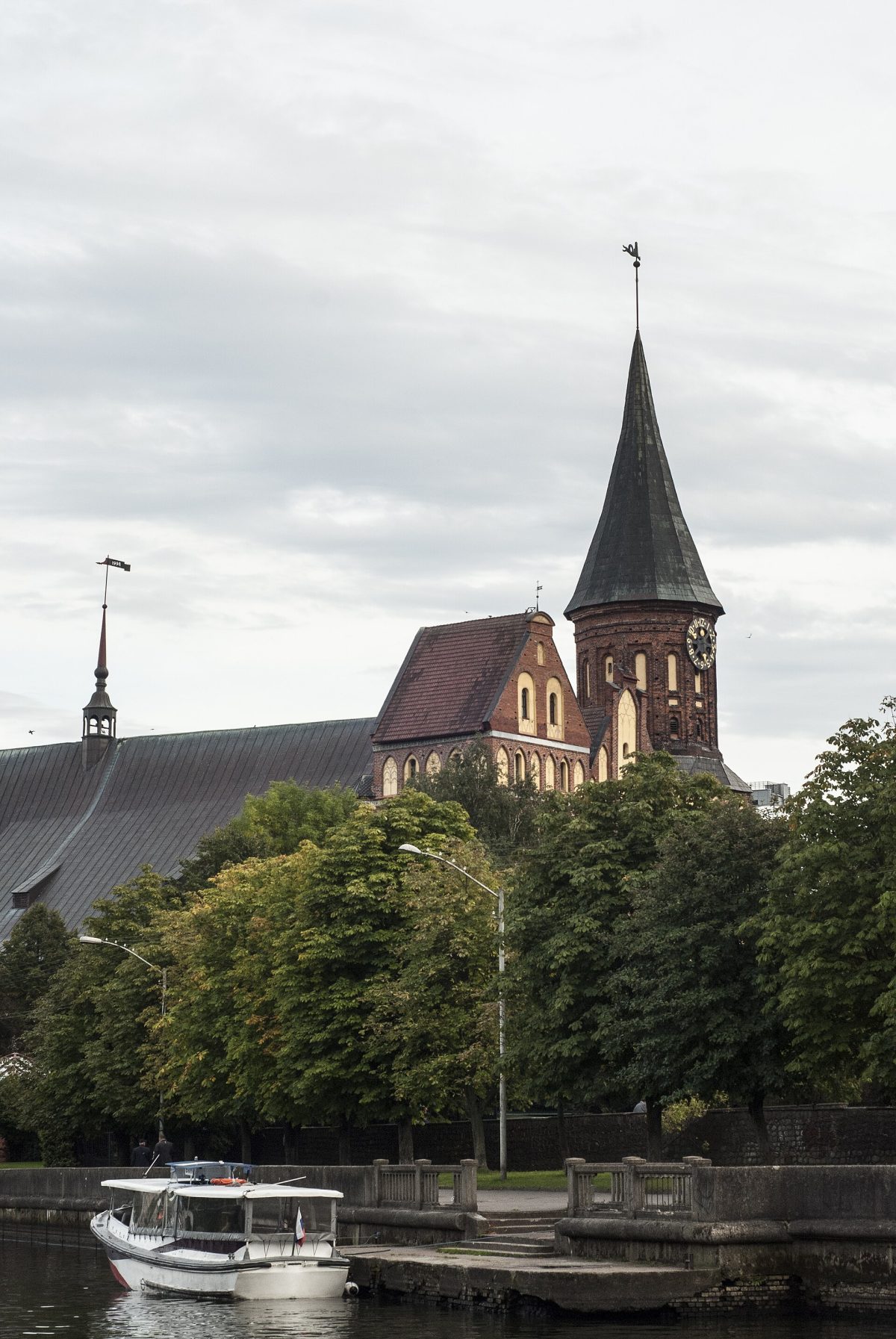
The main one is the Cathedral on Kant Island, founded in 1333. It stood as a ruin for almost half a century and was restored only in the nineties. Near the northern wall is the grave of Immanuel Kant, the only thing left untouched in Soviet years. Inside there are two organs, large and small, and short concerts are given on them several times a day; for the acoustics, it is worth attending at least one.
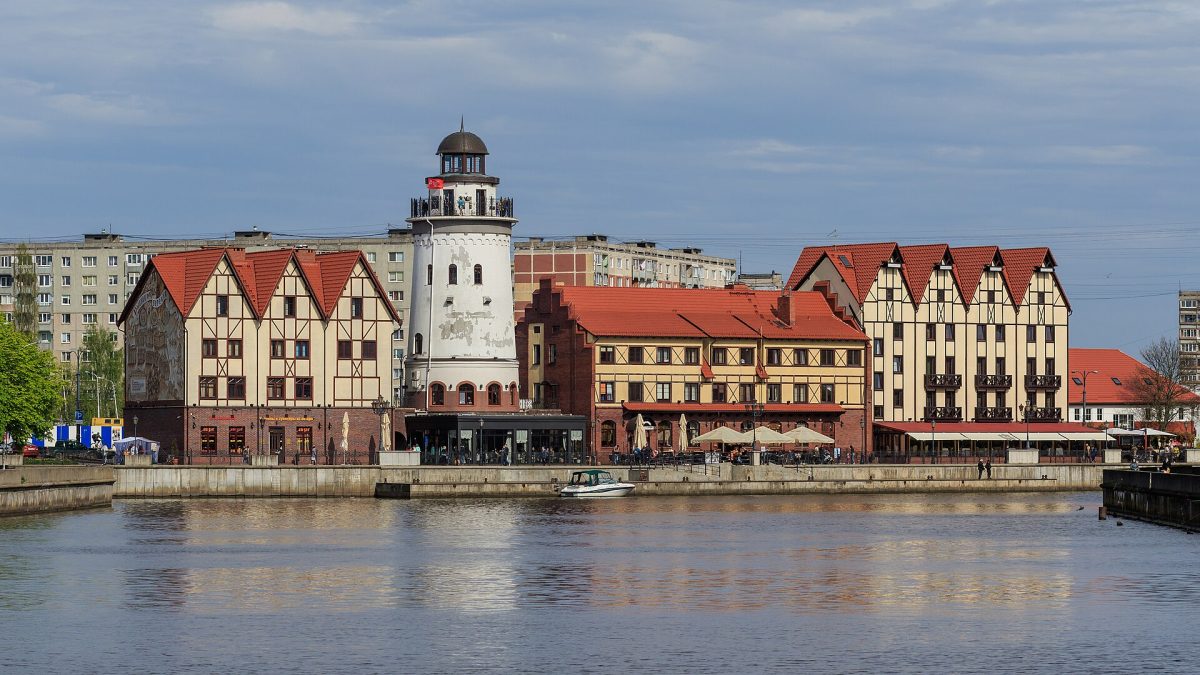
Nearby is the Fish Village, an embankment built in the two-thousands in Hanseatic style. It is a reconstruction, and it does not hide it; the observation deck on the lighthouse gives the best view of the cathedral and the river.
The World Ocean Museum deserves separate time: real ships are stationed at the pier — the research vessel "Vityaz", submarine B-413, space communication vessel, icebreaker. Access is allowed inside all of them, and the boat makes a stronger impression than any exhibition.
City gates have survived from the German heritage — the Brandenburg Gates, the only ones through which traffic still flows, and the Friedland Gates with a museum of city history. The Königsberg Castle remained as a foundation: the ruins were blown up in 1968, and an unfinished House of Soviets still stands in its place.
Day Two: Curonian Spit
The Curonian Spit is a sandy strip ninety-eight kilometers long and in places less than four hundred meters wide, separating the lagoon from the sea. Half of it is Russian, half is Lithuanian, and all of it is included in the World Heritage List.
The spit is man-made in the sense that it had to be saved: deforestation in the eighteenth century led to the dunes moving and burying several villages. The forest was replanted for almost a hundred years, and it holds the sand to this day.
Routes along the highway are marked and short, one and a half to two kilometers each. The Dancing Forest is a section of pine forest where trunks are twisted into loops and rings; there is no single version of why this happened. Efa Height is a wooden walkway on the dune with a view of both the lagoon and the sea. You cannot leave the walkways: the sand is held by grass roots, and a trampled slope starts to move.
Day Three: Zelenogradsk and the Sea
Zelenogradsk stands at the base of the spit and has been a resort since the nineteenth century, still under the name Cranz. German architecture is better preserved here than in the regional center: villas, water tower, old station building.
The Promenade runs along the sea for almost two kilometers, the beach is wide and sandy. The water in the Baltic is cold — twenty degrees in August is considered lucky — but walking along the shore is pleasant in any weather.
The city is known for cats: they are on the coat of arms, on manholes, on signs, a traffic light was installed for them and a museum opened. This is not a marketing invention of recent years, but an old local tradition that was simply brought to completion.
How to Plan a Day
Distances here are short, but points are scattered, and half the time is spent deciding what to combine with what. On each place's page, a day around it is suggested: nearest points in order of visit, with distance and travel time. Open the Curonian Spit — and you will see what can be done in the same day.
Travel time is calculated based on real roads, and for the spit this is important: it is narrow, there is only one road, and there is nowhere to bypass a traffic jam.
Practical Information
Entry to the spit is paid, paid at the barrier for the car and for each passenger. On weekends in summer there is a queue at the entrance.
The weather changes quickly in any season: a raincoat is always needed, even when it is clear in the morning. The best time is from May to September; in July and August the coast is crowded, in May and September it is quiet and cheaper.
Everything else in the region is collected on the Kaliningrad page.


