Dubai in Winter: A Multi-Day Route Without Rush

Photo: CT Cooper, Public domain
You stand at the window in a gray city. The thermometer behind the glass shows minus five. The airline app is open on your phone.
Dubai promises plus twenty-five during the day and a cool breeze in the evening. You buy a ticket not for luxury, but for warmth and the opportunity to walk without a heavy jacket. This decision changes the approach to planning. Winter Dubai requires a different rhythm than summer. Here you can walk on foot, stand in queues outside, and not melt from the heat. But crowds of tourists also choose this time. Therefore, it is important to move slowly and choose places consciously.
Why exactly winter and what to wear
Winter months are considered high season. The air is dry, the sun shines brightly, but does not burn the skin like in July. Morning starts with coolness. You will need a light windbreaker or denim jacket. During the day you can stay in a t-shirt. In the evening near the water or in the desert the temperature drops. A scarf will not be superfluous. Clothing should be layered. This allows regulating warmth throughout the day.
Choose shoes comfortable for walking. You will walk many kilometers on concrete and tiles.
The swimming season in winter is limited. The water in the Persian Gulf cools down. Many hotels heat pools. If swimming is important, clarify the water temperature in advance. Jeans and sneakers are suitable for city walks. For visiting religious places, closed shoulders and knees are needed. This rule applies to everyone, regardless of gender. Having a scarf in the bag will save the situation at the entrance to the mosque.
Day one: Old City and Traditions
Start the route from the district that existed before the glass towers. Dubai Museum is located in Al Fahidi Fort. The building stands out against the backdrop of modern construction. It is built from traditional materials. Inside, halls show life before the oil boom. You see tools, boats, household items. The exposition does not require much time, but gives an understanding of context. You realize how quickly the region has changed. Nearby is the Al Fahidi district with narrow streets. It is quiet here. There are fewer tourists than in the center.
From the museum you can walk to the water. Abras — traditional boats — transport people across the creek. The trip costs little. This is a quick way to get to the Deira district. There is the Gold Souk. Showcases are filled with jewelry. The shine of metal reflects in the eyes. Prices are not fixed. Haggling is appropriate. Sellers speak many languages. If you do not plan to buy, just look at the assortment. This is part of the local trading culture. Nearby is the spice market. Smells are strong and rich. Saffron, cardamom, dried limes lie in piles.
Next the route leads to Jumeirah Mosque. This is one of the few religious structures open to non-Muslims. The appearance of the building is classic for the region. White walls and minarets are visible from afar. Inside, rules of conduct apply. Guides tell about Islam and traditions. Photography is allowed in certain areas. Visiting requires prior registration. This place gives a respite in the series of impressions. It is quiet and calm here. People speak in whispers. Light falls through the windows softly.
Day two: Height and Modern Rhythm
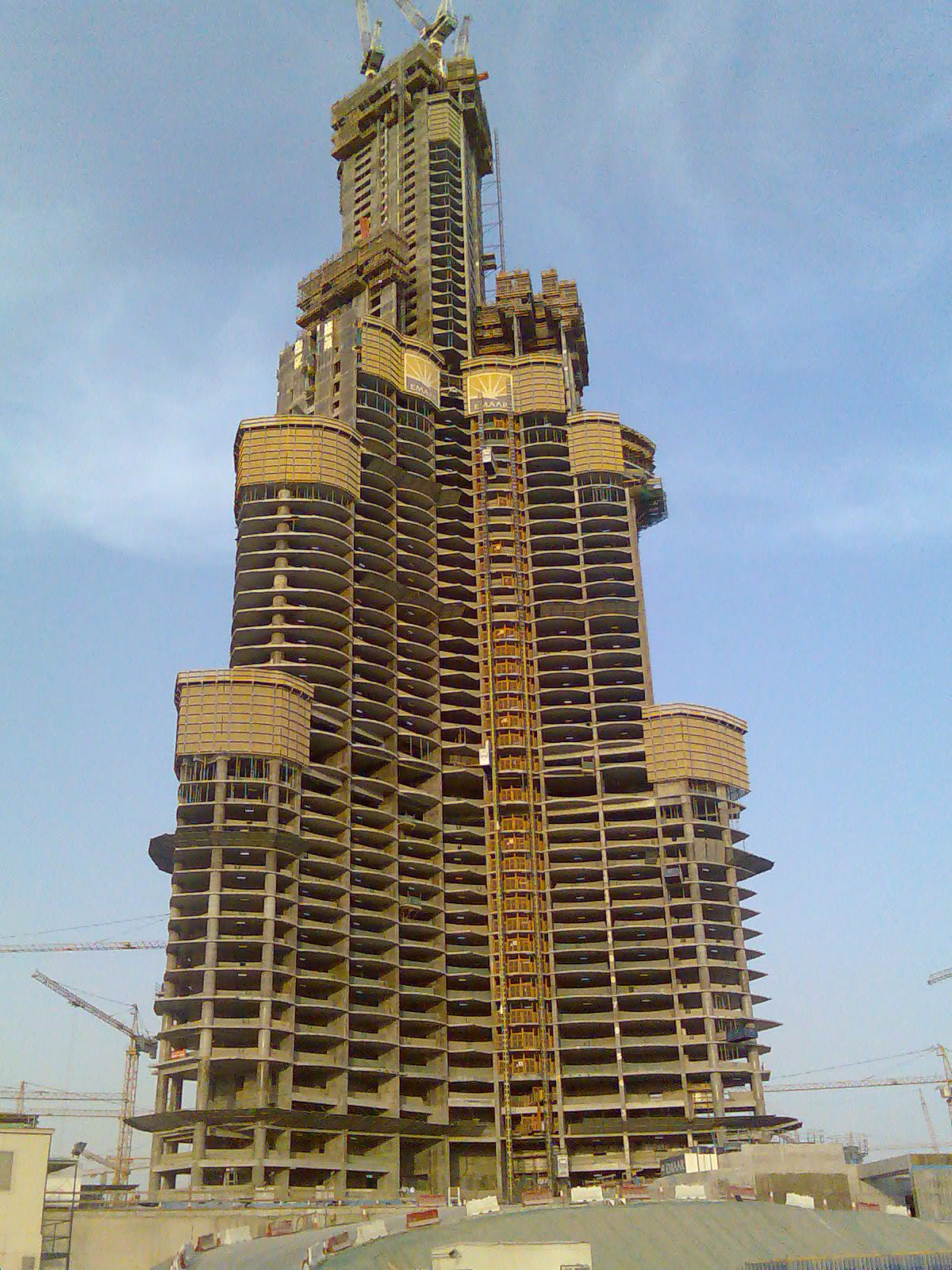
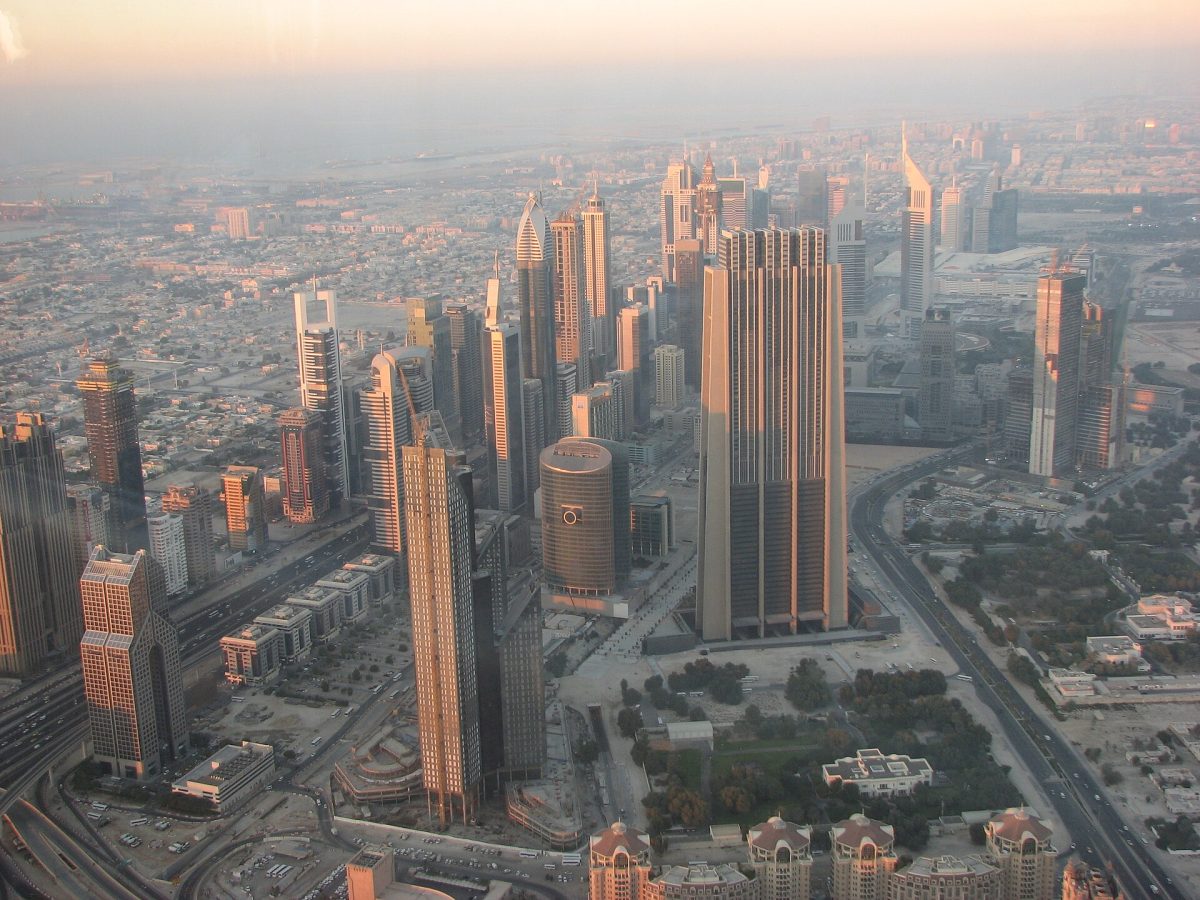
The route passes through the city center. The metro will deliver you to the station near the tallest tower. Burj Khalifa dominates the horizon. It is better to go up in the morning or before sunset. Visibility is better at this time. The observation deck "At the Top" (Burj Khalifa) is located on the upper floors. The elevator moves quickly. Ears pop. There is a lot of glass on the platform. The city looks like a model. Cars look like toys. Roads stretch in straight lines. The desert is visible on the horizon as a yellow strip. The wind is stronger at height. Take a sweater with you.
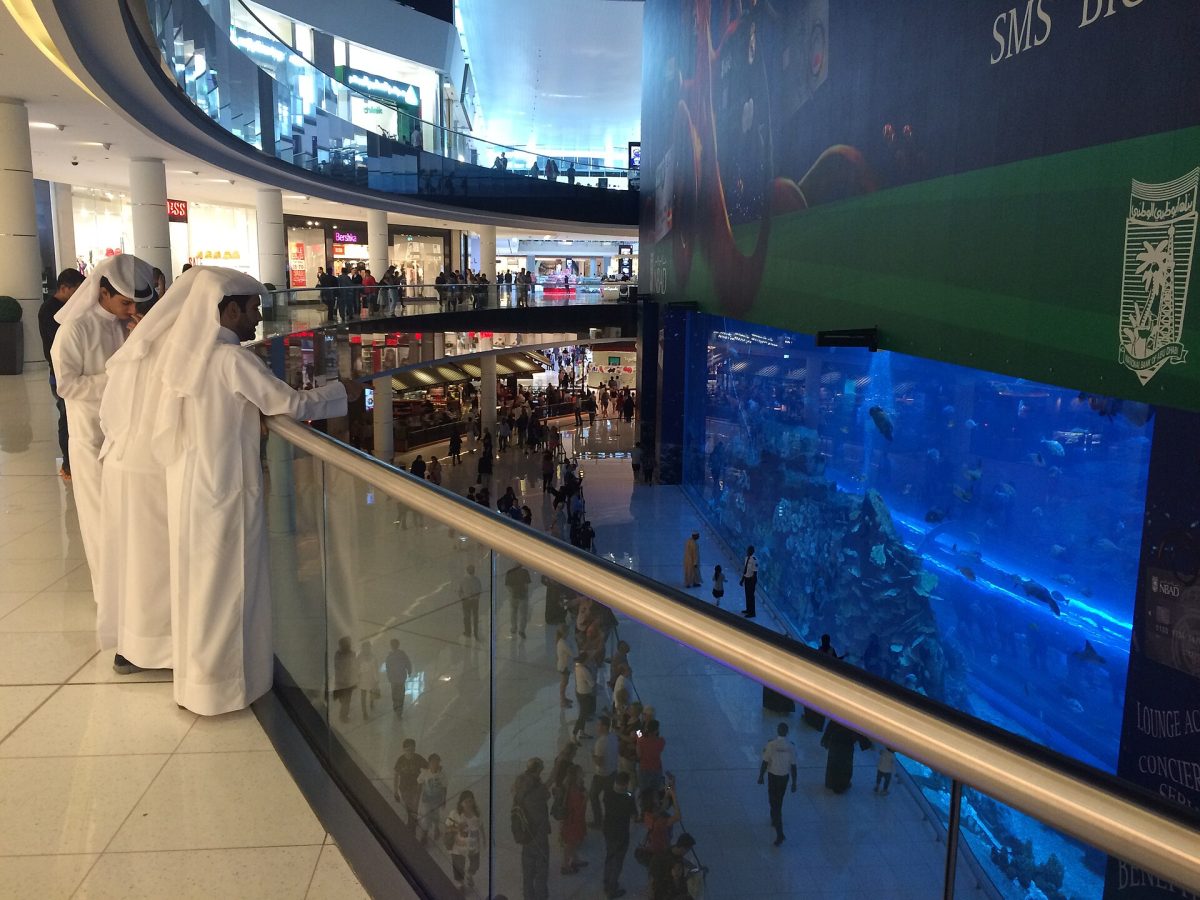
Below lies the Dubai Mall. This is a huge complex. One day is not enough to walk around all the shops. Many brands are represented here. There is an ice rink and an aquarium. The Dubai Aquarium and Underwater Zoo is inside the shopping center. A large tunnel passes visitors through the water. Fish swim overhead. Sharks move slowly. The light in the tunnel is dimmed. This is a contrast after the bright sun outside. Tickets are purchased separately. Queues can be long. It is better to book time in advance.
In the evening go out to the water. The Dubai Fountain starts the show after sunset. Music plays loudly. Water jets rise high. Lighting changes colors. People gather at the railings. Places near the fence are taken in advance. If you stand far, details are not visible. If you stand close, you can get wet from splashes. The show repeats several times. It is not necessary to watch all performances. One time is enough to understand the scale. After the fountain the crowd disperses to restaurants. Booking a table in the evening is mandatory.
Day three: Islands and Mountains
The plan requires leaving the center. Palm Jumeirah is an artificial island in the shape of a tree. You can get there by monorail. Carriages move over the water. The view opens to the creek and the city. Hotels are located at the top of the island. The walking area allows walking near the water. Beaches are wide. Sand is light. Waves are weak. You can spend several hours here. Cafes are on the embankment. Prices are higher than in the city. The view is worth the overpayment.
If you have time to go further, consider Hatta Park. These are mountains on the border with Oman. The road takes time. The landscape changes. Asphalt is replaced by stones. There is less greenery. There is a lake in the park. The water is turquoise. Kayaks can be rented. The mountains around are reddish. The air is drier than in the city. It is cold here at night. Hot during the day, but shade saves. This place is for those tired of concrete. There are no high buildings here. Only nature and silence. The roads are good. A rented car suits better than a taxi.
Transport and Logistics
Movement around the city is organized conveniently. The metro covers main tourist zones. Carriages are clean. Air conditioners work strongly. There are women's carriages. Men are forbidden entry in them at certain hours. Cards are replenished at stations. Taxi is available via apps. Cars are white or cream. Prices are fixed by the meter. Traffic jams happen during peak hours. In the evening in the center traffic is dense.
Buses run often. Stops are equipped with sun shelters. In winter waiting on the street is more comfortable. Pedestrian crossings are not everywhere. Distances between objects can be deceptive. Close on the map, far in reality. Shadows from buildings change during the day. In the morning one side of the street is in shadow, in the evening the other. Plan the route taking the sun into account. Water in bottles is sold everywhere. Carrying a liter of water is normal. Dehydration occurs unnoticed in a dry climate. Pharmacies work long. Medicines are available without prescription in most cases. Insurance is needed for the visa. Check coverage before departure.
Honest Look: What Can Be Skipped
Not all places are worth the time. Some shopping centers are identical. If you have seen one mall, the second may not surprise. Dubai Mall is an exception due to size and aquarium. Others resemble each other. Amusement parks inside buildings are expensive. Attractions are standard. If you are not a fan of roller coasters, you can save. Night clubs work on a schedule. Entry is paid. Dress code is strict. Alcohol is sold only in licensed places. It is not in supermarkets.
Photographing people without permission is not worth it. This is an etiquette rule. Local residents value privacy. Especially women. Police monitor order. Fines are high. Parking in the center is paid. Pay via machine or app. Barriers open after payment. On weekends traffic is heavier. Friday is a day off. Shops open later. Mosques are closed to tourists during prayers. Schedule hangs on the doors.
Rules of Conduct and Safety
The city is safe for walks at night. Streets are lit. Surveillance cameras are installed often. Police react quickly. Lost items are often returned. Store valuable documents in the hotel safe. Carry passport copies with you. Leave the original in the room. Cash is needed for small purchases in markets. Cards are accepted everywhere. ATMs are widespread. Commission depends on your bank. Notify the bank of the trip in advance. This avoids card blocking.
Internet works fast. SIM cards are bought at the airport. Tariffs vary. Unlimited packages are convenient for navigation. Sockets are three-pin. An adapter is needed for European equipment. Voltage is standard. Electricity does not turn off. Air conditioners work around the clock in hotels. If you are cold, adjust the temperature on the panel. Windows often do not open. This is normal for high-rise buildings. Street noise is not heard. Double-glazed windows are thick.
Food and Drinks
Restaurants offer world cuisine. There are Arab, Indian, European establishments. Breakfasts are often included in the room cost. Lunch can be found in food courts. Dinner in a restaurant requires booking. Tips are left at will. Ten percent is customary. Tap water is technical. Drink bottled. Ice in drinks is safe. It is made from filtered water. Fruits are washed before eating. Street food is available in old districts. Samosa and shawarma are popular. Hygiene in checked places is normal.
Arabic coffee is sweet and strong. Served in small cups. Dates are sold in boxes. This is a good souvenir. Camel milk is on cafe menus. The taste is specific. Chocolate with camel milk is sweeter than usual. Spices are taken home in sealed packages. The smell is strong. Pack separately from clothes. Fabrics absorb aromas for a long time. Washing helps, but not immediately.


