Antalya in Autumn: Routes and Activities Beyond the Beach
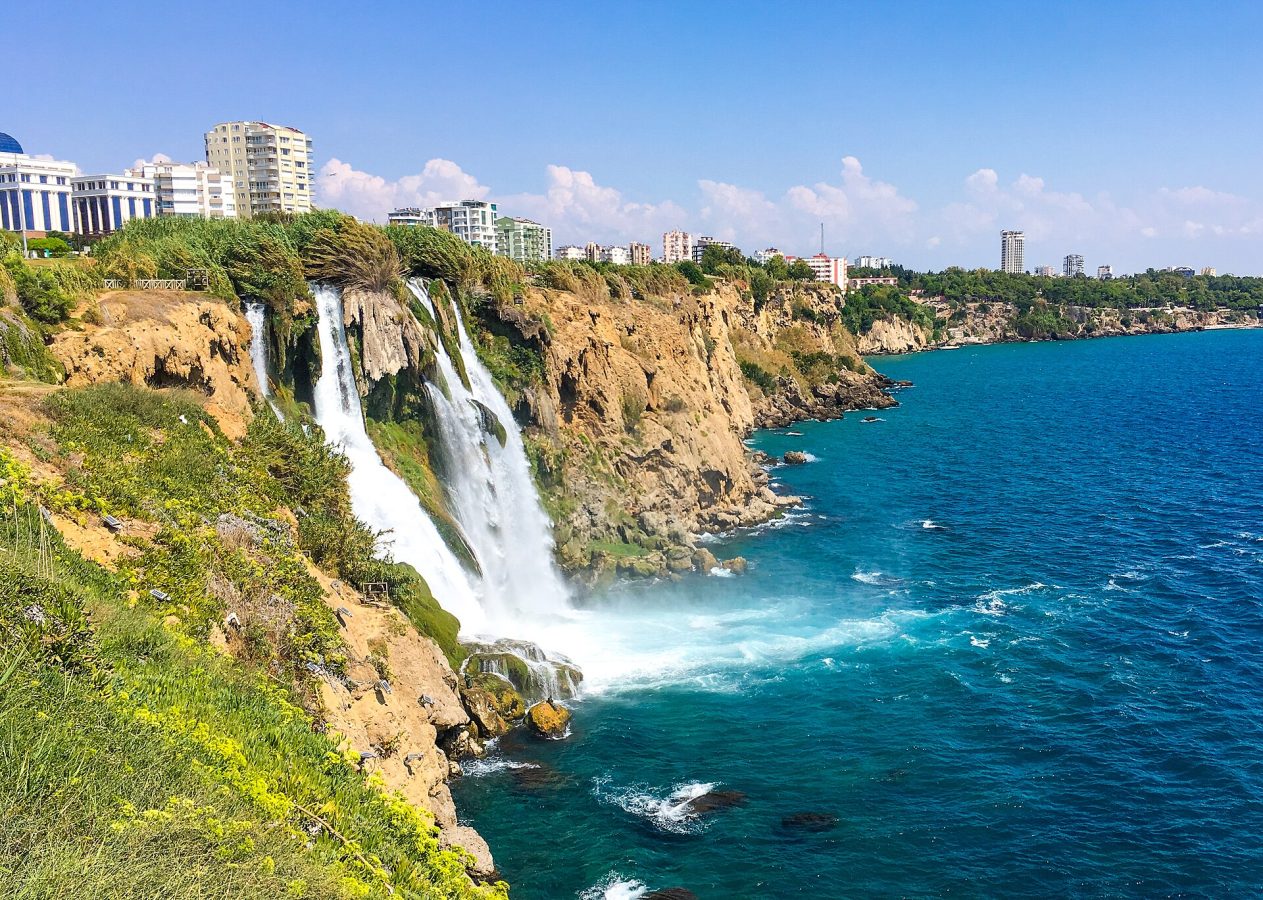
Photo: Elshad, CC BY-SA 4.0
You exit the airport terminal and instead of the expected heat you feel a cool breeze. The thermometer shows twenty-three degrees. The sea is nearby, but not everyone wants to go into the water. The hotel booking is calculated for a week, but the swimming season for you personally has closed right now.
A question arises: what to do for five days in a city that lives for the beach in summer? Many tourists make a mistake trying to simply lie by the heated pool, but autumn here opens other possibilities. The city changes rhythm. Crowds decrease. Prices for some services drop. The light becomes softer. This is time for walking, sightseeing, and calm exploration of the surroundings without haste.
It is worth starting with the center. Not from the hotel, but from the historical part. Kaleici is an old district where narrow streets are paved with stone. There are no wide avenues here. Cars pass rarely. The main mass of people moves on foot. There is less noise here in autumn. In summer it is hard to pass due to groups that stop at every souvenir stall. In October or November you can walk at your own pace. Stone walls of houses keep traces of different eras. Ottoman wooden balconies overhang the sidewalks. Some buildings are restored, others live ordinary lives.
Cafe owners put chairs out on the street, but not as far as in summer. The wind strengthens by evening, so it is better to choose a table near a wall.
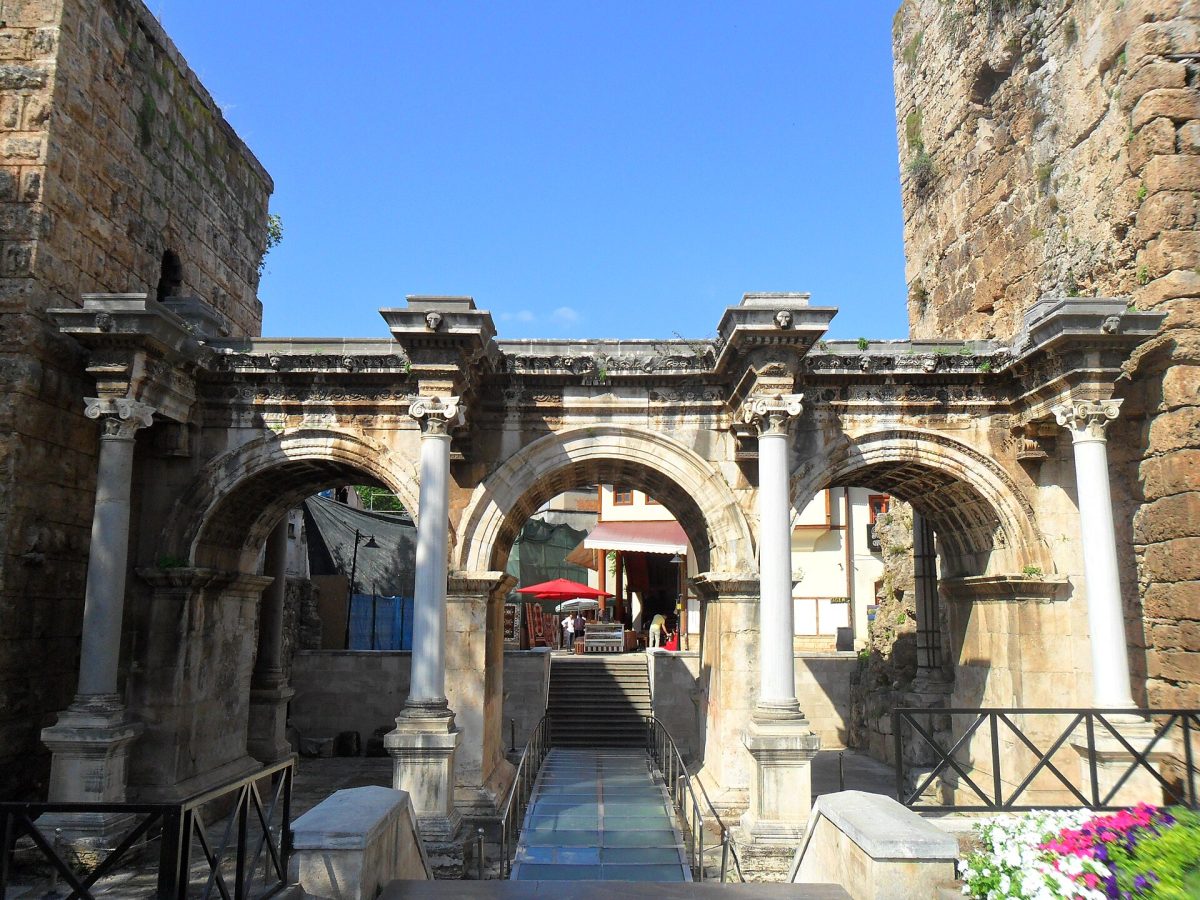
The entrance to this district is marked by an arch. Hadrian's Gate stands on the boundary of the old and new city. The construction consists of three spans. The marble is white, locally darkened by time. Tourists pass through the arches, taking photos. If you come early in the morning, while there are no bus groups, you can examine the details of the columns. The capitals are decorated with carving. The inscription on the cornice is almost erased, but the shape remains. This place is often called the starting point for walks. From here it is convenient to move deep into the quarters. No need to look for a map immediately. The main direction is down, to the port. The streets go in terraces. Stairs alternate with flat sections. Shoes must be comfortable. Heels or thin soles will not suit the cobblestones.
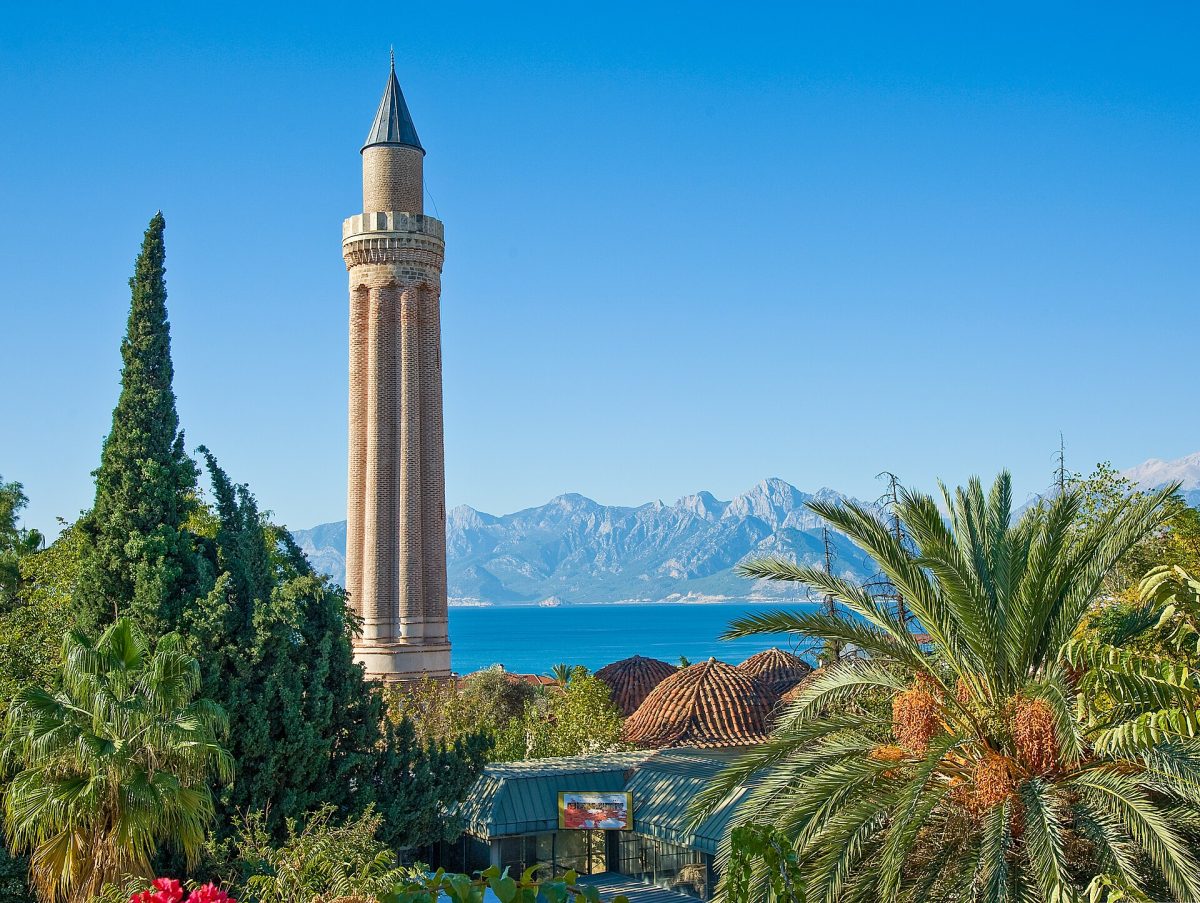
Along the way you will meet a tower. Yivli Minare is visible from many points of the district. It differs from other minarets by shape. Brickwork creates a ribbed surface. At the bottom there is a complex of buildings. Exhibition halls are now located there. Inside you can look at ceramics and carpets. Entrance is sometimes free, sometimes a ticket is required. Better clarify on site. The tower works as a landmark. If you get lost in the alleys, simply find this silhouette with your eyes. It will help return to the center. In the evening lighting makes it noticeable from afar. For photos the best time is sunset, when the sky changes color.
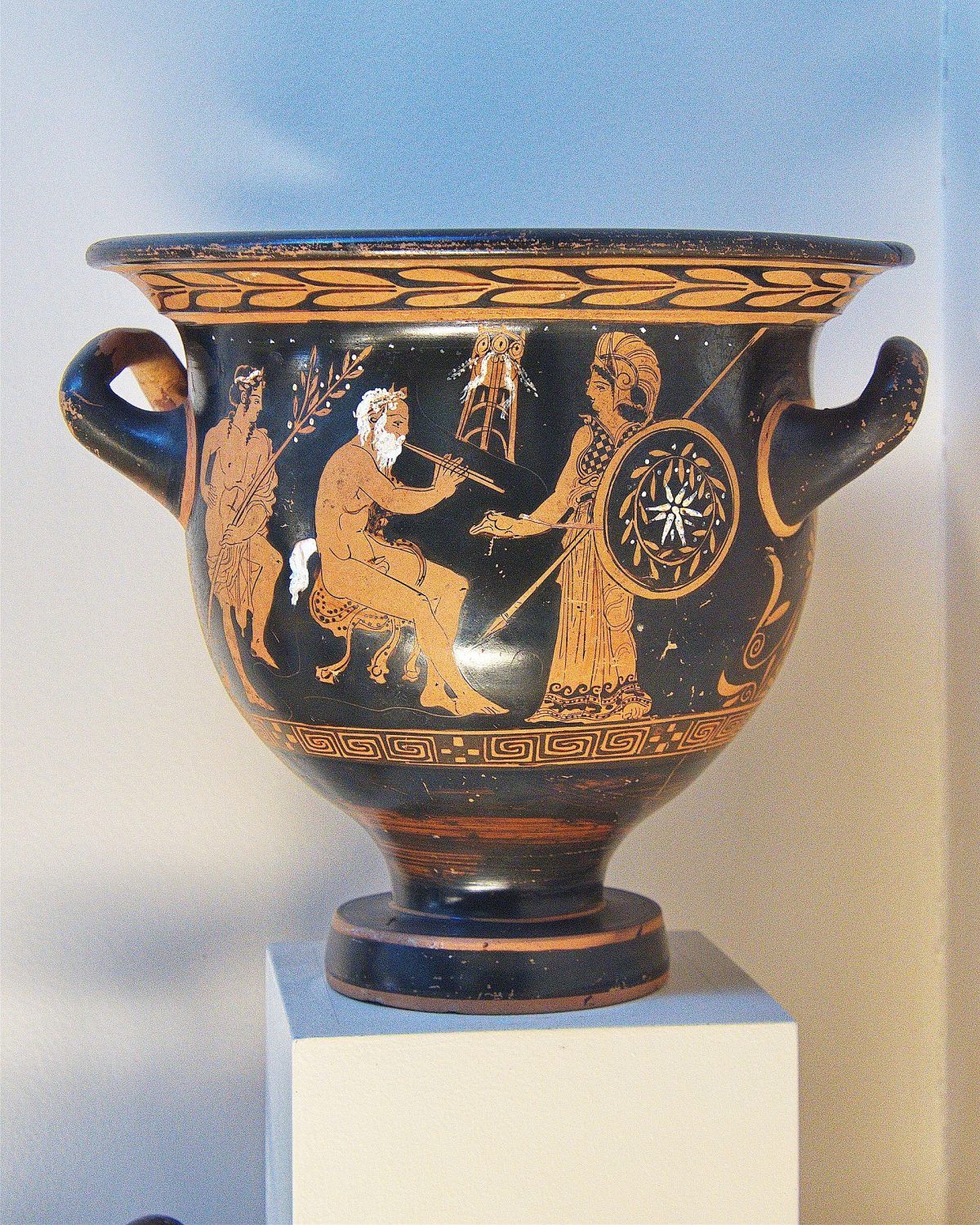
If the weather spoils and it rains, there is an option to shelter in a building. Antalya Archaeological Museum is not in the very center, but it is not difficult to get there. The collection occupies several halls. Exhibits are gathered from all over the region. There are statues, sarcophagi, mosaics here. Inspection requires time. Do not try to cover everything in an hour. Choose two or three halls that are interesting specifically to you.
The Hall of Emperors contains marble figures of the Roman era. The faces of the statues are damaged, but the clothing is worked out in detail. The Hall of Prehistoric Times shows tools and animal bones found in caves nearby. For school-age children this is useful. Small children may get bored after twenty minutes. If traveling with preschoolers — skip this point or be ready to leave earlier than planned.
It is quiet in the museum. Voices of visitors sound muffled. The light is adjusted so as not to harm the exhibits. This creates a feeling of detachment from street bustle. The coffee shop inside works on a standard schedule. Prices are higher than outside, but you pay for the opportunity to sit in warmth. After inspection you can walk around the park around the building. Trees here are adult. In autumn the leaves turn yellow. There are enough benches. This place is suitable to catch your breath between active walks.
Nature in the surroundings also changes. Duden Waterfalls are divided into two parts. The upper ones are in the park. Water falls from a height into the river. Paths are equipped around. You can approach close to the flow. Sprays reach the tourists. In autumn the water level may be lower than in spring. Snow melt in the mountains ends by summer. But the flow does not dry up completely. The sound of falling water drowns out the city noise. There is a cafe in the park. Tables stand under trees. If sitting near the water, clothes may get wet from moisture in the air. Better take a raincoat or umbrella, even if the sky is clear.
The lower waterfalls exit directly into the sea. The coast here is steep. It is better to look at them from the water or from a special platform above. Short boat trips are organized. In autumn there may be waves on the sea. Seasickness is possible. If you poorly tolerate rocking, choose the shore route. The park around the lower cascade is landscaped. There are shady alleys. Squirrels are used to people and approach for food. Nuts can be bought from sellers at the entrance. Do not feed bread, it is harmful for animals. The walk takes about an hour. This is enough to take photos and breathe air.
For those who are ready to go out of the city, there is an option with ancient ruins. Aspendos Theater is located an hour's drive from the center. The road passes through fields and villages. The landscape changes. High-rise houses disappear. Mountains appear. The theater itself is preserved better than many other antique structures. Stone rows of seats rise up. The stage is closed by a high wall. Acoustics are preserved. If you stand in the center and clap your hands, the sound reflects off the walls. Sometimes concerts are held. If you catch a rehearsal or performance, the effect will be stronger. In autumn months there are fewer events than in summer. The schedule needs to be checked separately.
There is no roof inside the theater. If it rains, everyone will have to get wet. Umbrellas may interfere with other viewers. Clothes must be layered. In the evening the temperature drops quickly. The stone cools and gives off cold. Sitting on marble without a mat is uncomfortable. Take a plaid or jacket with you. Around the theater there are trade rows. Souvenirs are sold, similar to those in the city. Prices may be lower, but the choice is less. Water is better bought beforehand. Inside the venue it costs more. Toilets exist, but the queue may be long. Plan your visit so as not to depend on the bus schedule. It is easier to catch a taxi, but the price will be higher.
Returning to the city, it is worth visiting the market. Antalya Bazaar (Kapali Carsi) works daily. Covered rows protect from sun and rain. Fabrics, leather, spices, sweets are sold here. Smells mix. Cumin, pepper, dried fruits create a dense aroma. Sellers offer to try. Refusal is not necessary, but do not buy immediately. Walk the whole row first. Prices at the beginning and end may differ. Bargaining is appropriate. Name a sum lower than you are ready to pay. The seller will reduce the price. If he does not agree, it means this is the lower limit. Polite refusal often works better than argument. Just nod and go further. You may be called back and agreed to your conditions.
Check leather clothes carefully. Seams must be even. Zippers work smoothly. Look at fabrics against the light. Natural material differs from synthetic to the touch. Spices are better taken in factory packaging if taking home. By weight there may be problems at customs. Sweets like lokum store for a long time. Boxes are packed reliably. Tea is sold in tin cans. The apple variant is popular with tourists, but locals drink black. Try both. The difference in taste is substantial. Coffee is brewed in a turk on sand. The process takes time. You can observe the action. The drink turns out strong. Grounds are not drunk.
About beaches in autumn it is worth saying separately. Konyaalti Beach is covered with pebbles. Going into the water barefoot hurts. Special shoes are needed. In autumn the water cools faster than the sand. During the day stones heat up in the sun. It is pleasant to walk on them. In the evening they give off heat. The walking zone is long. Cyclists and runners use it constantly. Cafes along the line work. The menu does not change. But the service speed becomes higher. Waiters are not occupied with dozens of tables simultaneously. You can sit longer, ordering one drink. The view of the mountains from this side of the city is open. Clouds catch on the peaks. This is a good background for photos. Many meet the sunset here. The place is not empty even in November.
There are places that lose meaning in the autumn season. Sea walks on yachts with a "party" program are often canceled or pass sluggishly. Music plays quieter. The dancefloor on the deck is empty. The wind is strong. Clothes hinder movement. If you are not going specifically for a disco on water, this point can be crossed out. Water parks work until the end of October, but queues for slides disappear. Water in pools is cold. Lying on a sunbed in cool air is uncomfortable. This is entertainment for July. Dolphinariums work year-round, but shows are shorter. Animals are less active. If the trip goal is nature and history, these objects are not priority.
The city transport network is developed. The tram connects main districts. A ticket is bought in a machine or from the driver. Buses run often. In rush hour it may be tight. In autumn the tourist flow is less, so there are always places. It is better to call a taxi via an app. The price is fixed beforehand. Street taxi drivers are easier to ignore. They may inflate the cost for foreigners. Sign language works when ordering food. Many menus are duplicated with pictures. English is understood in tourist zones. In residential quarters it is harder. Learn a couple of phrases in the local language. "Thank you" and "how much" will come in handy.
Clothes for the trip must be diverse. Day t-shirt, evening windbreaker. Rains happen short-term, but strong. A compact size umbrella will fit in a backpack. The sun is still active. Skin protection cream is needed. Glasses are mandatory. The wind dries the skin. Moisturizing cream won't hurt. Pharmacies work by schedule. Duty points are open at night. Prescriptions for some medicines are needed. Familiar drugs are better taken with you. Insurance must cover active rest if you plan mountain hikes.
Food outside the hotel gives an idea about culture. Kebab houses work late. Meat is grilled on coals. Smoke goes to the street. Smell of fried meat. Portions are large. One dish is enough for two. Tea is poured free after meal. Glasses are small, tulip shape. Sugar is put to taste. Breakfasts in cafes are hearty. Olives, cheese, tomatoes, bread. Eggs are boiled or fried. Honey is served in combs. This is caloric, but gives energy for a walk. It is easy for vegetarians to find food. Legumes and vegetables are in the menu always. Fish is more expensive than meat. Fresh catch is laid on ice in the showcase. You choose the fish, they cook it. The price depends on weight.
Evening life is calmer than summer. Clubs close earlier. Bars work. Live music is met rarer. Recorded composition plays more often. Volume is moderate. You can talk without raising your voice. Walks along the embankment are safe. Police patrol the streets. Wallets are better kept in an inner pocket. Pocket thefts are rare, but vigilance doesn't hurt. ATMs exist everywhere. Commission depends on your bank. Cards are accepted in most places. Cash is needed for small shops and tips. Small coins accumulate quickly. It is convenient to leave them to personnel.
Connection works stably. Roaming is expensive. It is better to buy a local sim-card. Registration requires a passport. You will find a communication salon in a shopping center. Internet is fast. Wi-Fi exists in cafes and hotels. Ask passwords from waiters. Social networks are not blocked. Messengers work. Calls home via internet are free. Sockets are standard. An adapter is not needed. Voltage in the network is stable. Technique charges without problems. An external battery will be useful for long walks. Photos consume charge quickly.
If you like silence, choose weekdays for trips. On weekends locals also go out to walk. Parks fill with families. Cafes are occupied. On weekdays the space is freer. Museums are emptier. Guides pay more attention. Questions can be asked without embarrassment. Groups form faster. The cost of an individual guide does not change from the season. But demand is lower. You can negotiate a discount. Conditions are discussed personally. Agreements are better fixed in correspondence.
Photographing people without permission is not worth it. Especially women in traditional clothes. Local residents are loyal to tourists, but respect is important. Mosque interiors can be shot if there is no prohibition. Shoes need to be removed at the entrance. Women are better to cover their head with a scarf. Shoulders and knees must be closed. This rule acts for all cult structures. In secular time clothes may be simpler, but norms remain. In the hotel dress code is freer. On the beach a swimsuit is appropriate. In the city you need to dress differently.
Souvenirs bring different. Magnets are cheap. Heavy. Occupy space in baggage. Spices are light. Aroma remains in the suitcase. Clothes are practical. A leather jacket serves long. Carpets are expensive. Require care. Miniatures are fragile. Pack in soft clothes. Liquids are not taken in hand luggage. Buy after control or surrender to baggage. Keep checks until departure. At customs they may ask origin of things. Expensive items require certificates. Antiques export is prohibited. Copies are allowed. Distinguish them can an expert. Buy in official stores.
Health is important. Tap water is technical. Drink bottled. Check the cap for opening. Ice in drinks is made from the same water. If stomach is sensitive, ask without ice. Wash fruits. Peel is better cut. Street food is tasty, but poisoning risk exists. Choose places where people flow is large. Products do not linger. Hand hygiene before food is mandatory. Carry napkins with you. Toilet paper in public places does not always exist. Have a reserve in the bag.
In autumn it is light in the city. Rains go at night or early morning. During the day the sky is clear. Temperature allows walking without heavy clothes. The wind refreshes. Sleep is strong after walks. Appetite is good. Food seems tastier. Communication with people is simpler. They are not tired from the season. Sellers are not irritated by the crowd. Personnel is freer. The city remains alive. Light burns in windows. Life continues after the departure of the mass tourist.


