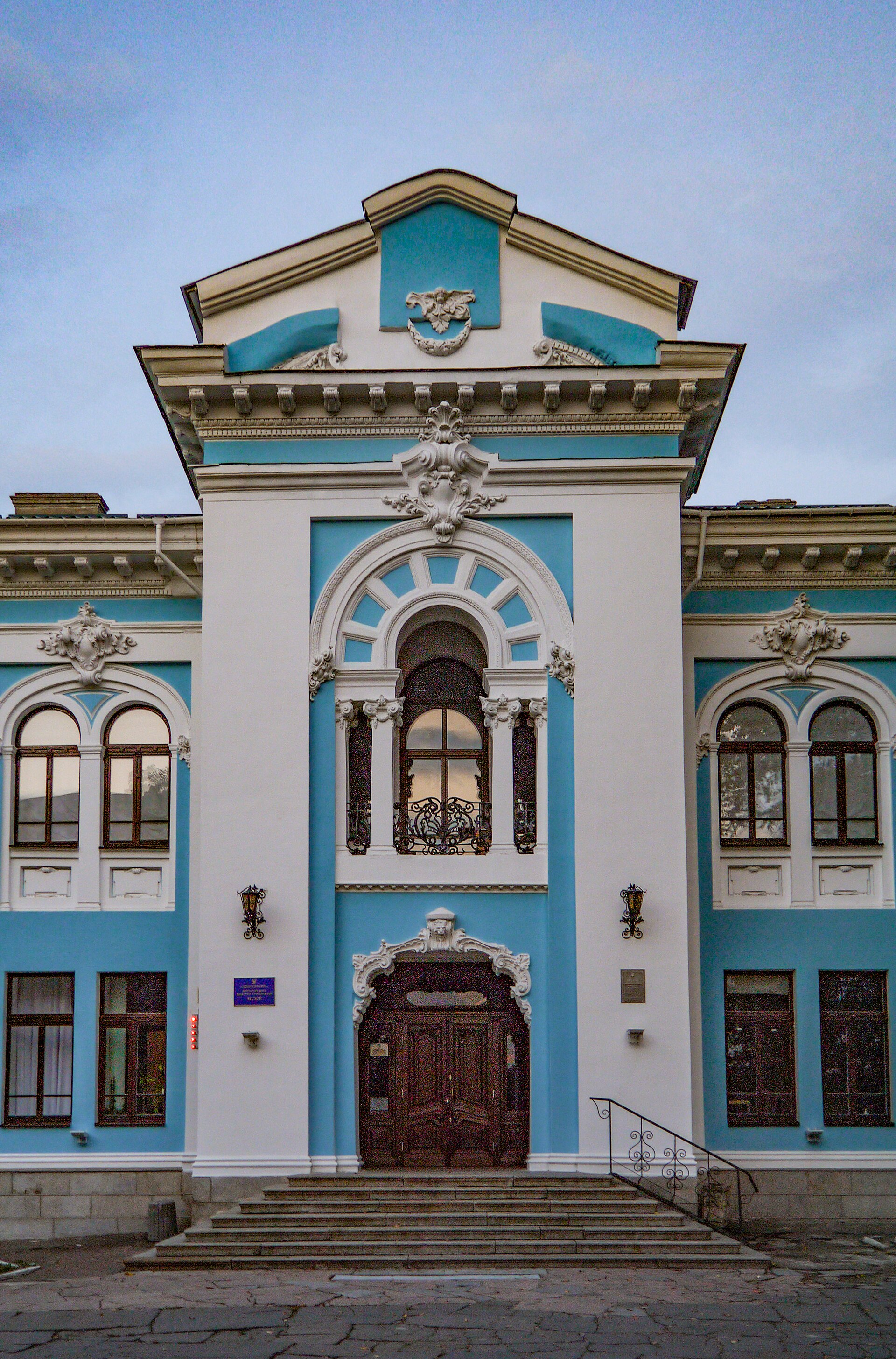
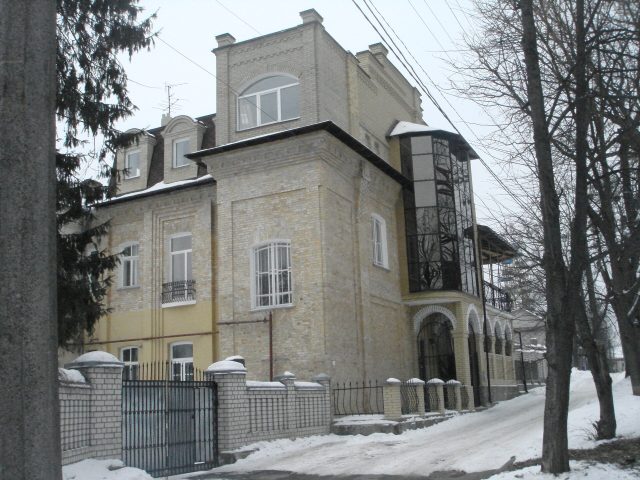
Zhytomyr Regional Museum of Local History sits quietly in the heart of the city, its red-brick walls holding more than just exhibits—they hold stories. The building itself is a piece of history, once the home of a wealthy merchant in the late 19th century, when Zhytomyr was a bustling hub of trade and culture in Right-Bank Ukraine. Its architecture blends sturdy brickwork with subtle Art Nouveau touches, from the ornate plasterwork on the facade to the high ceilings inside. Walking through its halls feels like turning the pages of a book, each room unfolding a different chapter of the region’s past.
The museum began as a private collection in 1900, assembled by a local enthusiast who wanted to preserve the area’s heritage. Over time, it grew into a vast repository of artifacts, now numbering in the tens of thousands. The archaeological section takes visitors back to the earliest days of human settlement here, with stone tools from the Paleolithic era and jewelry from the time of Kyivan Rus. The Cossack period is particularly well-represented, with weapons, documents, and everyday objects that paint a vivid picture of life in the Zaporizhian Sich and its influence on the Polissia region. These items aren’t just relics—they’re connections to the people who once used them, their lives shaped by the land and its history.
One of the most striking parts of the museum is its ethnographic collection, where traditional clothing, embroidery, pottery, and tools reveal the cultural tapestry of the region. Here, Ukrainian, Polish, Jewish, and German influences intertwine, reflecting the diverse communities that have called this land home. The craftsmanship on display isn’t just about aesthetics—it’s about identity, about the skills and traditions passed down through generations. The museum doesn’t just show these items; it lets them speak, offering a glimpse into the daily lives of the people who made and used them.
Nature has its own dedicated space in the museum, with exhibits focused on the Polissia region’s unique landscapes. The Polissia Nature Reserve, one of the largest in Europe, is a key part of this section, showcasing the area’s vast forests, wetlands, and rare wildlife. Dioramas and interactive displays bring the region’s untouched beauty to life, while the mineral collection highlights the area’s geological wealth. Zhytomyr Oblast is rich in resources, from the granite used in Kyiv’s buildings to the amber that has been mined here for centuries. These exhibits don’t just inform—they inspire a deeper appreciation for the land itself.
The 20th century is another major focus, with exhibits covering both world wars, the Soviet era, and the region’s industrial and cultural development. Personal items—letters from the front, soldiers’ belongings, household objects from the past—add a human dimension to the historical narrative. These aren’t just artifacts; they’re fragments of lives lived, of struggles endured, and of resilience. The museum also honors the region’s notable figures, from writers and scientists to artists who were born or worked here, tying their stories to the broader history of Zhytomyr.
Beyond its permanent exhibits, the museum is a dynamic space, hosting temporary displays that explore different facets of local history and culture. These might include photography exhibitions on disappearing Polissia villages or contemporary art inspired by regional traditions. Lectures, workshops on traditional crafts, and meetings with historians and researchers add another layer of engagement, making the museum a place for learning and conversation. For children, interactive tours offer hands-on experiences—trying on Cossack attire, shaping clay, or discovering how people lived in ancient times.
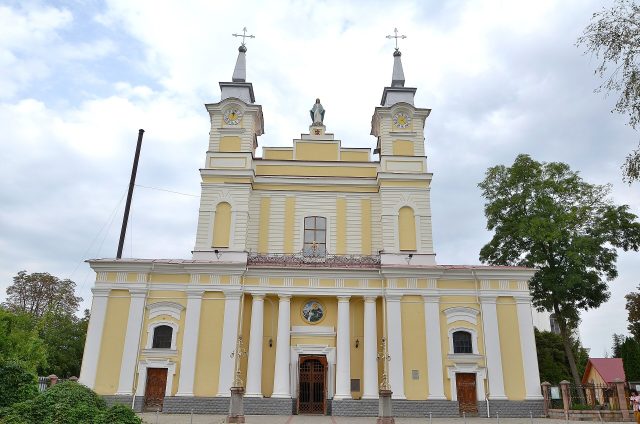
A visit to the museum is also an invitation to explore Zhytomyr itself. The city’s center is a mix of architectural styles, with old merchant houses, Catholic churches, Orthodox cathedrals, and synagogues standing side by side. Nearby, Yuri Gagarin Park offers a quiet place to reflect after a visit, while the Teterev River embankment buzzes with life in warmer months. Zhytomyr isn’t a tourist hotspot, and that’s part of its charm. Here, history isn’t confined to museums—it’s woven into the streets, the buildings, and the rhythm of daily life.
What makes this museum special is its unhurried atmosphere. There are no crowds rushing for photos, no pressure to move quickly from one exhibit to the next. Instead, there’s space to linger, to absorb the details, and to let the stories unfold at their own pace. The exhibits don’t just present facts—they invite curiosity, encouraging visitors to think about the people who came before, what they valued, and how their lives shaped the region. It’s a place that doesn’t just inform but provokes thought, leaving visitors with questions as much as answers.
For anyone wanting to understand Zhytomyr and its surroundings, this museum is the perfect starting point. It doesn’t offer a neatly packaged version of history but rather a mosaic of experiences, traditions, and memories. And perhaps that’s the most valuable part of the visit—not just learning about the past, but feeling its presence in the present. After leaving, you might find yourself looking at the city differently, seeing the layers of history in its streets and wondering about the lives that have unfolded here over centuries.