St. Sophia’s Cathedral in Zhytomyr is one of those places that doesn’t immediately demand attention but lingers in the mind long after you’ve left. It sits on a hill in the heart of the city, a quiet presence amid the hum of modern life. Centuries ago, this spot offered sweeping views of the surrounding lands, back when these territories were part of Kyivan Rus and later the Grand Duchy of Lithuania. Today, the cathedral remains a silent witness to the passage of time, its walls holding stories that stretch back to an era when Zhytomyr was still taking shape.
The origins of the cathedral are shrouded in uncertainty, with historians debating its exact founding date. Some attribute its creation to Yaroslav the Wise in the 11th century, while others suggest a later period. What is certain is that this site has been sacred for generations. The current structure dates largely to the 17th century, when Zhytomyr emerged as a key religious center in Volhynia. The cathedral became a spiritual anchor for the region, its significance enduring even as the city around it evolved.
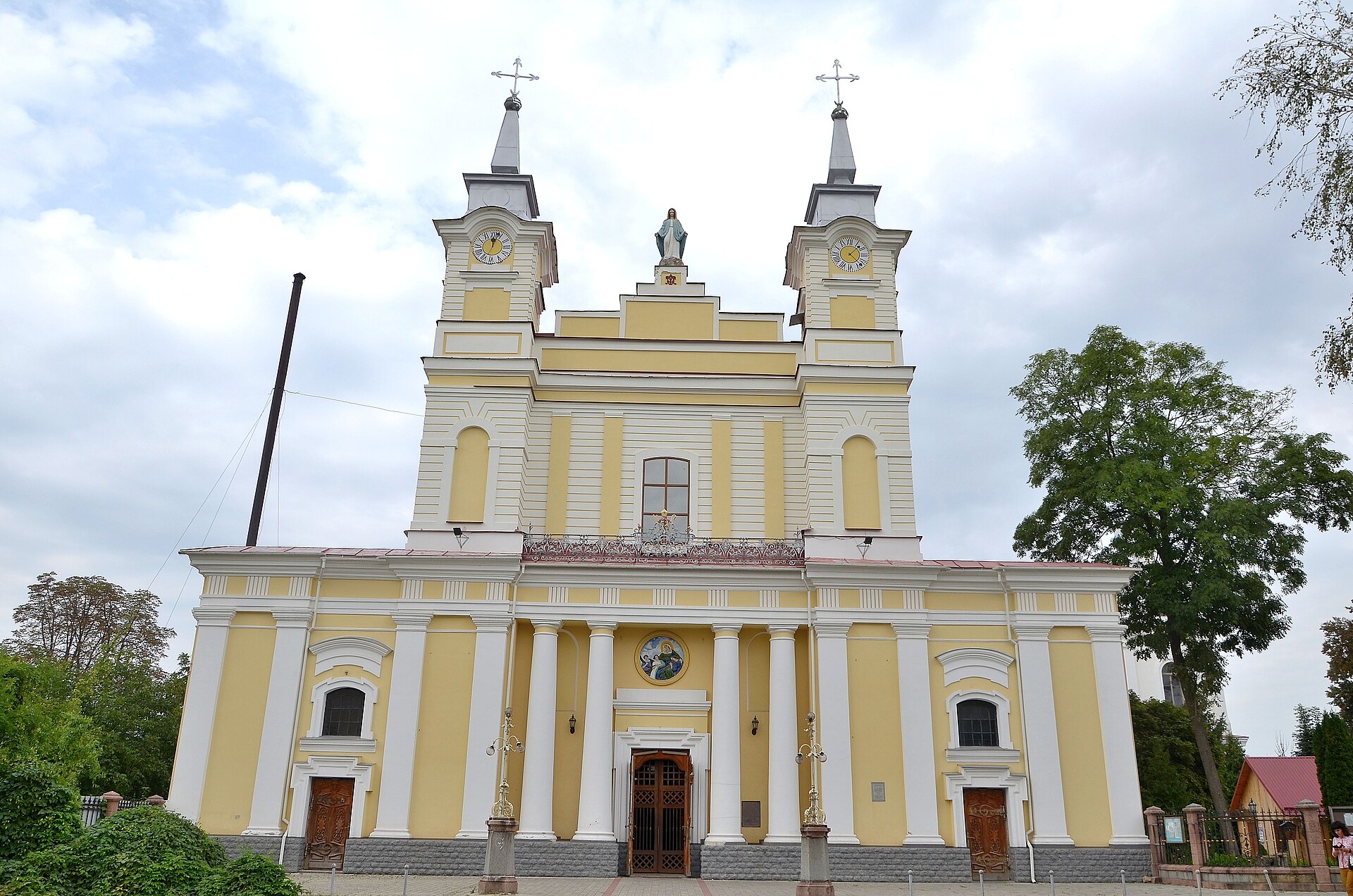
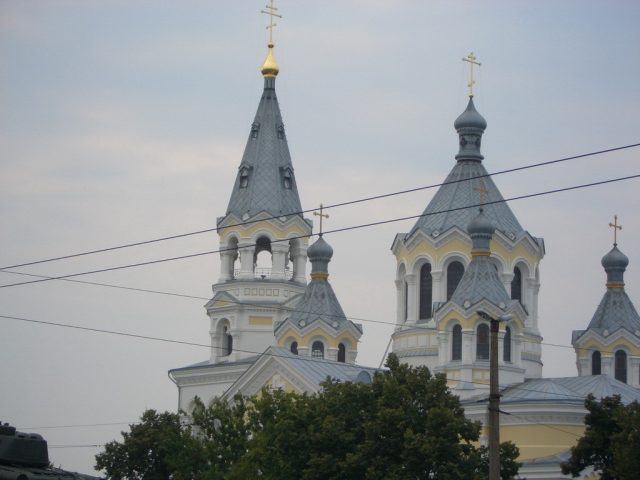
Architecturally, St. Sophia’s is a blend of influences, reflecting the layers of history that have shaped it. Originally built in the Ukrainian Baroque style, it has undergone modifications over the centuries. The facades are adorned with pilasters and pediments, while tall windows lend the building an airy elegance. Inside, 19th-century frescoes survive in fragments, though much of the original artwork has been lost or altered. The iconostasis is the most striking feature—a lavish, gilded screen with icons painted in an academic style. It feels almost too grand for a provincial cathedral, yet that very grandeur gives it a unique character.
The cathedral has weathered its share of upheavals. In the 18th century, after Right-Bank Ukraine was absorbed into the Russian Empire, it fell into decline before being restored. During the Soviet era, the building was repurposed as a warehouse and later as a museum of atheism. Only in the late 20th century was it returned to the faithful, and today it functions once again as an active Orthodox parish. These transformations have left their mark—traces of renovations are visible in the walls, and remnants of ancient foundations can still be found in the basement.
For locals, St. Sophia’s is more than just a landmark; it’s a living connection to the past. Generations have been baptized, married, and mourned within its walls. On feast days, the cathedral comes alive with worshippers, its atmosphere thick with incense and the sound of chanting. Easter and Christmas services are especially moving, with the peal of bells echoing over the city and hundreds of candles casting a warm glow. Even those who don’t consider themselves religious often find themselves drawn here, seeking the quiet solemnity that permeates the space.
The small park surrounding the cathedral is a favorite spot for Zhytomyr residents. From here, the city unfolds in layers—old streets, market stalls, and modern buildings all coexisting. On clear days, the view extends to the rolling hills and forests that once belonged to the Principality of Volhynia. The cathedral seems to stand at the intersection of two worlds: the past and the present, the sacred and the everyday.
Visiting St. Sophia’s isn’t just about admiring its history or architecture. It’s also about taking a moment to sit on a bench in the park, listening to the rustle of leaves, or stepping inside when the cathedral is quiet. In those moments, it’s easy to understand why this place matters so much to the people of Zhytomyr. It doesn’t clamor for attention or try to impress with grandeur. It simply exists—as a part of the city, its soul, and its memory.