Almaty’s Green Bazaar isn’t just a market—it’s where the city’s past and present collide in a whirl of color, scent, and sound. For over a century, it has been a cornerstone of daily life, a place where generations of Almaty residents have come to shop, socialize, and soak in the rhythms of local culture. Tucked in the heart of the city at the intersection of Zhibek Zholy and Gogol Streets, the bazaar announces itself long before you arrive, its lively chatter and vibrant signs drawing you in from blocks away. The energy here doesn’t fade with the hours; it hums from dawn until dusk, a constant pulse of activity that feels both timeless and distinctly Kazakh.
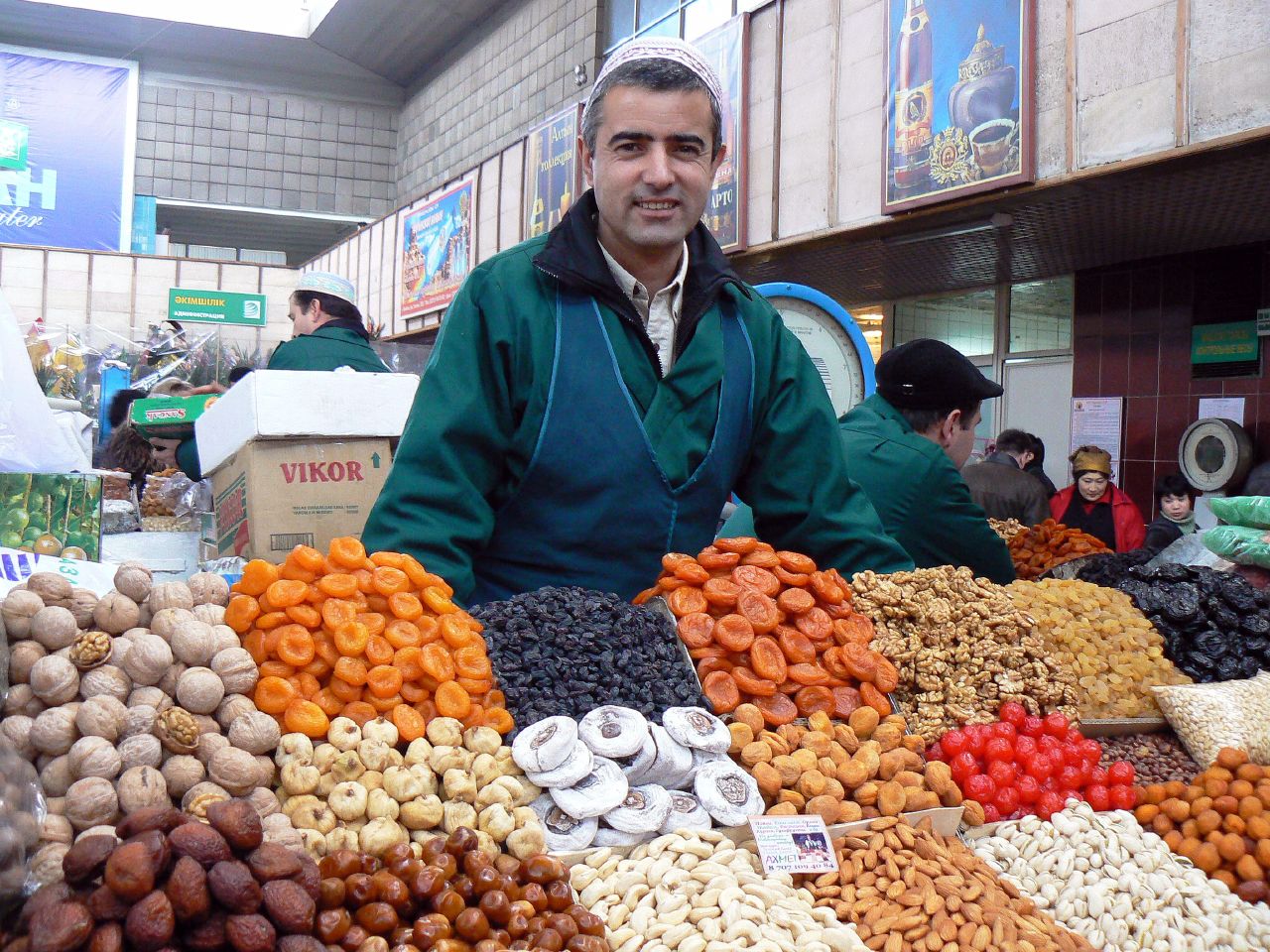
The bazaar’s architecture tells its own story. The main building, constructed in the mid-20th century, blends Soviet modernism with a distinctly Central Asian flair. High ceilings and wide aisles create an airy, almost grand atmosphere, while mosaic murals on the walls hint at the bazaar’s role as more than just a marketplace—it’s a cultural landmark. Inside, the space is divided into distinct sections, each with its own character. The meat hall, with its hanging cuts of lamb and beef, sits near the vegetable stalls, where pyramids of tomatoes, peppers, and eggplants gleam under the lights. Nearby, the dairy section offers a dizzying array of products, from tangy kumis and shubat to crumbly kurut, a dried cheese snack that’s a staple of Kazakh picnics. And then there are the dried fruits—apricots, raisins, figs—piled high in golden mounds, their sweetness a reminder of the sun-drenched orchards of southern Kazakhstan.
Food is at the heart of the Green Bazaar, but not just as something to buy and take home. It’s an experience, a way to connect with the land and its traditions. Vendors press samples into your hands—plump pistachios, juicy pomegranate seeds, a sliver of smoky sausage—eager for you to taste before you commit. The spice section is a sensory overload, with sacks of cumin, barberries, and saffron releasing their aromas into the air. Some sellers will tell you how to use them, slipping in a recipe or two, while others might pour you a cup of tea as you browse. The meat stalls are especially busy in the mornings, when butchers carve fresh cuts of lamb or horse meat, and in winter, the air fills with the scent of smoked delicacies like kazy, a traditional horse sausage that’s a point of pride for many Kazakh families.
Yet the bazaar is more than just a place to stock up on groceries. It’s a treasure trove of everyday life, where you can find everything from handwoven carpets and embroidered shawls to copper teapots and wooden kitchen tools. The fabric section is a riot of color, with bolts of silk, wool, and cotton stacked high, alongside ready-made items like dresses, tunics, and the traditional tyubeteyka caps. The atmosphere here is far removed from the sterile efficiency of a supermarket. Bargaining is expected, conversations flow freely, and transactions often stretch into long chats about family, weather, or the best way to prepare a particular dish. Regulars greet vendors by name, and many come as much for the company as for the goods.
Weekends transform the bazaar into something even more vibrant. Families from across the city and beyond flock here, turning the market into a social event. The air fills with the sizzle of shashlik grilling on open flames, the scent of fresh bread wafting from makeshift ovens, and the sound of music drifting between the stalls. Impromptu food stands pop up, serving steaming bowls of beshbarmak or piping-hot samsa pastries. For visitors, it’s a chance to see Kazakh hospitality in action—vendors might offer you a seat, a cup of tea, or a taste of something you’ve never tried before. The bazaar becomes a microcosm of the country itself, where old traditions and modern life coexist in a lively, sometimes chaotic harmony.
The Green Bazaar has weathered its share of history. It survived wars, economic upheavals, and even the devastating 1911 earthquake that leveled much of Almaty. In Soviet times, it was a place where people traded scarce goods under the table, and in the turbulent 1990s, it became a lifeline for families struggling to make ends meet. Today, it’s more organized—there are cash registers, price tags, and covered pavilions—but the soul of the place remains unchanged. The same families who’ve run stalls here for decades still greet customers with warmth, and the same sense of community that defined the bazaar a century ago is still palpable.
For travelers, the Green Bazaar is one of the best ways to experience the real Almaty. It’s a place where you can wander for hours, soaking in the sights, sounds, and smells. You might watch a grandmother haggle over the price of a kilo of apples, or listen to a spice vendor explain the difference between two types of cumin. The bazaar is also a photographer’s dream, with its vivid displays of produce, the intricate patterns of handwoven textiles, and the expressive faces of the people who work here. And then there’s the food—dishes you won’t find in most restaurants, like pumpkin manti, lamb samsa, or tea brewed with milk and a pinch of salt, a Kazakh twist on a classic drink.
What makes the Green Bazaar special isn’t just what you can buy here, but the way it makes you feel. Time moves differently within its walls. There’s no rush, no pressure—just the slow, steady rhythm of life unfolding. Whether you’re here to stock up on souvenirs, sample local delicacies, or simply people-watch, the bazaar offers a glimpse into the heart of Almaty. It’s a place where the past isn’t just remembered; it’s lived, breathed, and shared with anyone willing to step inside. And when you leave, you’ll take more than just a bag of dried apricots or a jar of spices with you—you’ll carry the memory of a place where tradition and modernity coexist, where every transaction is a conversation, and where the spirit of Kazakhstan is alive in every corner.