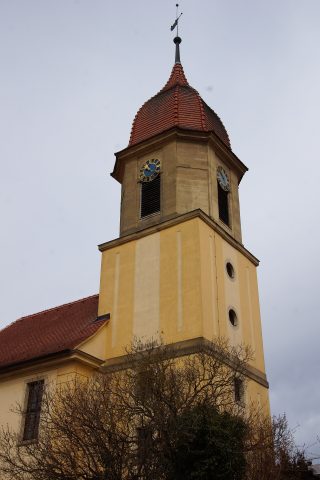
Schinznach-Bad Castle sits on a gentle hill above the Aare River valley, just a short distance from the town of Brugg. Unlike the imposing fortresses that usually come to mind when thinking of castles—thick walls, towers, and moats—this place has none of those. Instead, it offers something quieter: well-tended gardens, a terrace with sweeping views of rolling green slopes, the winding river below, and distant mountains on the horizon. The castle’s history is closely tied to the nearby spa town of Schinznach-Bad, famous for its mineral springs, but the building itself was never meant for defense. It was always a home, reshaped over centuries by noble families who turned it into a comfortable retreat rather than a stronghold.
The first records of the castle date back to the 13th century, when the land belonged to the Habsburgs. Back then, it was little more than a small watchtower, more useful for keeping an eye on the valley than for repelling invaders. By the 16th century, the castle had passed into the hands of the von Erlach family, one of Switzerland’s most influential dynasties at the time. They began transforming it into the building we see today—thinning the walls, enlarging the windows, and laying out gardens in the fashionable style of the era. What had once been a modest military outpost slowly became a country estate, a place to escape the pressures of court life and enjoy the surrounding landscape.
The architecture of Schinznach-Bad Castle reflects its evolution over the centuries, though it retains the graceful lines of the late Renaissance. The main building is unassuming: two stories high, with a tiled roof and small corner turrets. The facade is adorned with simple yet elegant details—delicate stucco work, carved window frames, and wrought-iron balconies. Inside, some of the original features remain, including old fireplaces, painted wooden ceilings, and spiral staircases leading to the upper floors. The most striking room is the hall decorated with 17th-century frescoes depicting scenes from classical mythology. The colors are still vivid, and the craftsmanship is remarkable, a quiet testament to the artists who created them.
In the 19th century, the castle underwent another transformation when its owners adapted it to serve the growing spa resort. By then, Schinznach-Bad was already a well-known destination for those seeking the healing properties of its mineral waters, drawing visitors from across Europe. The castle became part of this world, hosting guests, balls, and social gatherings. The surrounding park was expanded with winding paths, fountains, and pavilions where visitors could stroll after their treatments. Even now, walking along those same paths, it’s easy to imagine the rustle of silk dresses, the murmur of conversation, and the faint strains of music that once filled the air.
Today, the castle is privately owned, and its interiors are not open to the public. However, the park and the terrace with its panoramic view remain accessible to anyone who wishes to visit. Unlike more famous Swiss castles, Schinznach-Bad sees few tourists, which makes a visit here feel all the more intimate. You can sit on one of the benches, unpack a picnic from a nearby bakery, and simply take in the scenery—a landscape that has changed little over the centuries. In summer, roses bloom along the paths; in autumn, the trees turn shades of gold and crimson. When snow blankets the ground in winter, the castle looks like something out of a fairy tale, nestled among the drifts.
Beyond its architecture, Schinznach-Bad is also a piece of Switzerland’s spa history. The mineral springs here were known even to the Romans, but the resort truly flourished in the 18th and 19th centuries. Back then, people came not just for the waters but for the social scene—meeting influential figures, discussing business, or simply enjoying the company of others. The castle was at the heart of this world, its walls witnessing countless gatherings of the era’s elite. The spa still operates today, though on a smaller scale, and the water is still believed to have healing properties, drawing those who seek its benefits.
If you find yourself in this part of Switzerland, Schinznach-Bad is worth a visit, even if only for a few hours. The drive from Brugg takes just a few minutes, and the journey by bus is equally quick. You could even walk along the river in about an hour, taking in the scenery at a leisurely pace. The spa town itself is small and charming, with narrow streets, old houses, and a handful of cafés and shops selling local goods. There’s no rush here, just a quiet atmosphere that invites you to slow down. It’s also a good base for exploring other nearby attractions, like the Roman ruins at Vindonissa or the medieval Königsfelden Abbey, both within easy reach.
What makes Schinznach-Bad special is the way its history lingers in the air rather than being confined to exhibits or plaques. There are no grand legends of knights or battles here, just the quiet charm of an old estate that has weathered centuries of change while remaining true to itself. Perhaps that’s why it hasn’t become a major tourist destination—it doesn’t demand attention, but simply exists as part of the landscape, a reminder of a time when life moved at a gentler pace. If you’re lucky enough to visit on a quiet summer evening, when the sun dips behind the mountains and the air is filled with the scent of herbs, you’ll understand why this place holds a special meaning for those who know it.