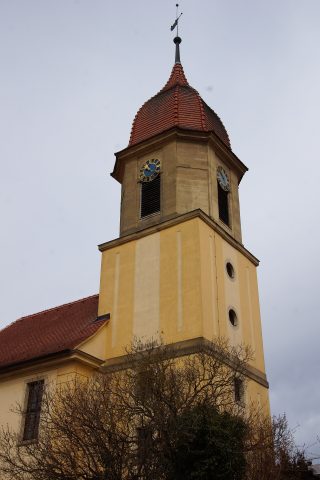
Brugg’s Old Town feels like a place where time has quietly settled into the cracks of its cobblestone streets. The buildings here don’t demand attention—they simply stand as they have for centuries, their wooden shutters and tiled roofs worn smooth by years of sun and rain. There’s no rush, no crowds pressing in from all sides, just the occasional clatter of hooves or the rustle of leaves overhead. The town doesn’t try to impress; it just exists, holding onto the kind of medieval charm that’s become rare in a world that moves too fast.
The story of Brugg stretches back further than most people realize. Long before it became a medieval hub, this was a crossing point for Roman legions moving between the northern provinces and Italy. But it was under the Habsburgs that the town truly took shape. The castle they built on the hill above the Aare River became the heart of the settlement, and from there, Brugg grew into a center of trade and craftsmanship. The streets that wind through the Old Town today still follow the same paths they did centuries ago, lined with buildings that have seen generations come and go.
Walking through Brugg is like stepping into a living history book. The houses weren’t built for show—they were built to last. Thick walls kept out the cold, narrow windows shielded against the wind, and steep roofs let the snow slide off before it could pile up. Many of these buildings have been altered over time, but their bones remain the same. The half-timbered facades, with their intricate wooden patterns, are especially striking. They carry traces of different eras—Gothic arches here, Baroque flourishes there—but somehow, it all fits together without feeling disjointed.
The ruins of Habsburg Castle are the most visible reminder of the town’s past. What’s left of the fortress is just a fragment of its former self, but even in decay, it commands attention. Built in the 11th century, it was the birthplace of a dynasty that would shape European history for centuries. Over time, the castle lost its strategic importance, but its presence still looms over Brugg. From the hill where it stands, the view stretches across the Aare Valley, where vineyards and forests roll out like a patchwork quilt. On clear days, the river below glints in the sunlight, winding its way through the landscape.
The Aare River has always been Brugg’s lifeline. In the Middle Ages, it carried goods to and from the town, powering mills and workshops along its banks. Today, it’s a place for quiet reflection. In summer, people stroll along the promenade or sit by the water with a book, while in winter, the river sometimes freezes over, turning into a vast, still mirror. The old warehouses and docks that once served merchants now stand empty, but they’re a tangible link to the town’s trading past.
Life in Brugg moves at its own unhurried pace. There are no tour groups rushing from one landmark to the next, just the steady rhythm of a small Swiss town. Mornings start with the market on the main square, where farmers sell fresh produce, cheese, and bread. By midday, the streets grow quiet as people go about their work, and by evening, the cafés and restaurants fill up again. On weekends, visitors from nearby cities drift in, wandering the alleys, browsing antique shops, or simply enjoying the shade of an old tree.
The real magic of Brugg lies in its hidden corners. The town is full of small squares and narrow lanes that seem designed to lead you astray. Turn one way, and you’ll find a fountain carved with figures from another century. Turn another, and you might stumble upon a tiny chapel with faded frescoes or a workshop where craftsmen still use tools from a bygone era. There’s an old pharmacy that’s been in the same family for generations, its shelves lined with remedies that haven’t changed much since the Middle Ages. Nearby, a confectioner’s shop sells sweets made from recipes passed down through the years.
What makes Brugg special is that it’s not just a relic of the past—it’s a place where history and everyday life coexist. There’s no artificiality here, no attempt to stage the past for tourists. Even the newer buildings blend in, respecting the town’s character rather than overpowering it. That’s probably why Brugg appeals to those who’ve grown tired of the noise and haste of modern life. It’s a place where you can wander without a plan, letting the streets guide you, and feel the weight of history in every stone, every wall, every quiet corner.