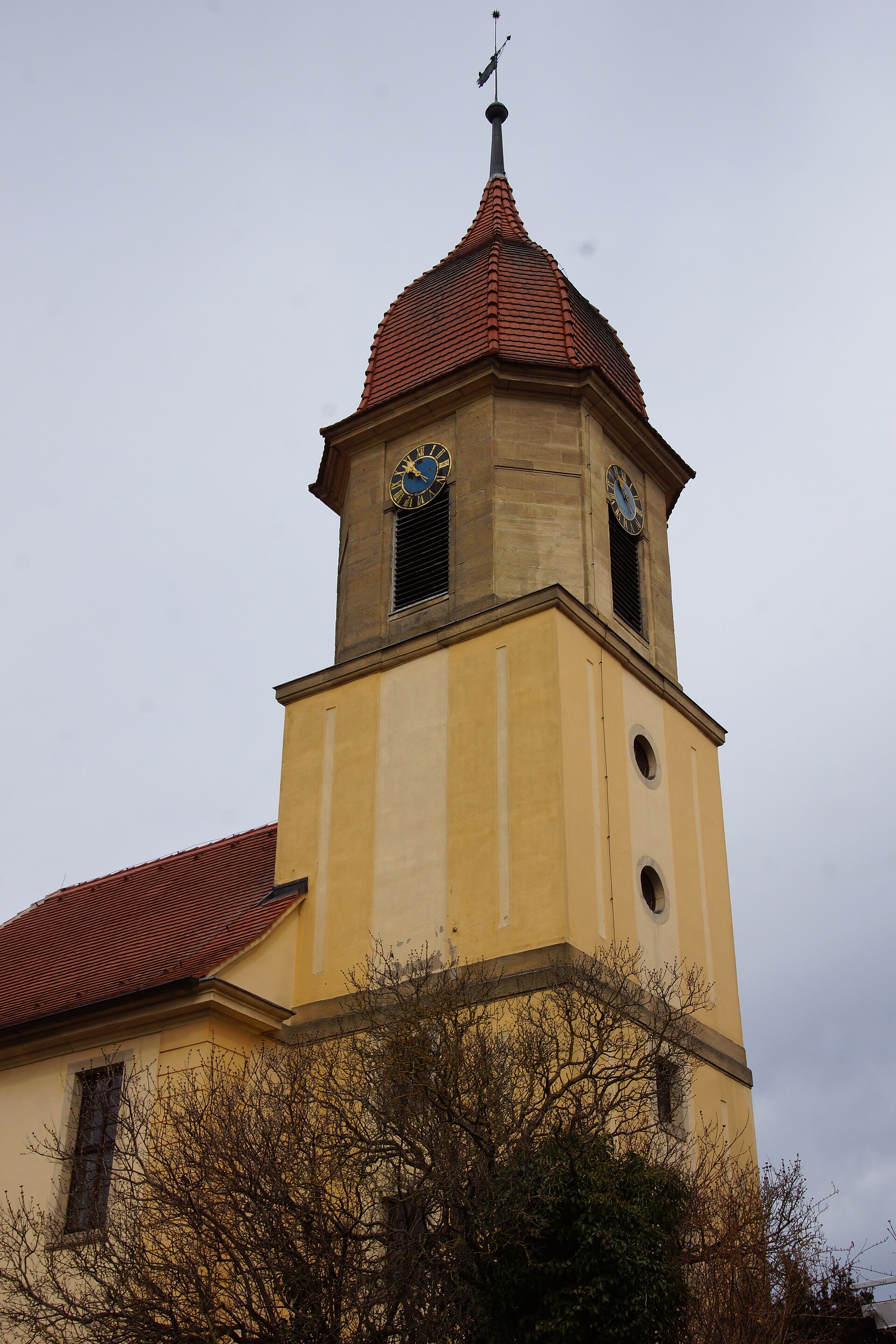
St. Nicholas Church in Brugg sits quietly by the Aare River, where the town’s buildings give way to rolling green hills. It’s not the kind of place that demands attention at first glance, but those who take a moment to look closer begin to understand why it has endured. The church is small, yet its spire is visible from the bridge leading into the old town, as if it has always belonged to this unhurried, slightly reserved landscape.
The origins of St. Nicholas Church stretch back to the Middle Ages, though the exact date of its founding is lost to time. The earliest records mention it in the 13th century, when Brugg was already an important trading hub between Germany and Italy. Back then, the Aare River wasn’t just a waterway—it was a vital route for goods, travelers, and news. Dedicated to St. Nicholas, the patron saint of merchants and wayfarers, the church likely served as more than just a place of worship. It was a gathering point for those passing through, a brief respite on longer journeys. Over time, a neighborhood of craftsmen and traders grew around it, though little remains of that era today. The church itself, however, still carries the spirit of those times.
The building’s architecture is a blend of styles, each layer telling a story of its past. The main structure reflects late Gothic influences, typical of 15th- and 16th-century Switzerland. Tall, pointed windows, sturdy buttresses, and delicate stone carvings on the portal all bear the marks of an era when Gothic design was softening, making way for the Renaissance. Inside, the church feels surprisingly open and bright for a medieval building. Thin columns support the vaulted ceilings, and the altar area is adorned with frescoes that, despite restorations, retain their original warmth. The most intriguing detail is the mural on the northern wall, depicting scenes from the life of St. Nicholas. Here, you can catch glimpses of late medieval life—clothing, tools, and everyday objects rendered with quiet precision.
In the 18th century, the church underwent a significant renovation when a Baroque bell tower was added. Its spire, topped with a weather vane shaped like an angel, became one of Brugg’s landmarks. The bells, cast in the same period, still ring on Sundays, their sound drifting over the town as it has for centuries. Unlike many European churches where Baroque additions can feel out of place against a Gothic backdrop, here the new elements blend seamlessly. Perhaps because the change wasn’t driven by fashion alone—practicality played a role, as the old tower had fallen into disrepair and needed replacing.
The interior of St. Nicholas Church isn’t grand, and that’s part of its charm. Wooden pews, simple stained glass, and a modest organ in the choir loft all suggest a space meant for people, not spectacle. There are no gilded icons or priceless relics, just a sense of authenticity. In one of the side chapels, a carved wooden altar from the 17th century still stands. The details have darkened with age, but in the right light, the craftsmanship is still visible—leaves, flowers, and figures of saints that seem to come alive in the flicker of candlelight.
St. Nicholas Church has been woven into Brugg’s history for centuries. It has witnessed wars, fires, and epidemics, yet it has always remained a place where people sought solace. During the Reformation, when many Swiss churches were looted or repurposed, this one survived—perhaps because Brugg avoided the worst of the upheavals. In the 19th century, when the railway arrived, the church became a symbol of continuity, a reminder that progress doesn’t have to erase the past.
Today, the church is open to visitors, though it doesn’t draw the crowds of more famous Swiss towns. Those who do step inside often leave with a quiet appreciation for the place. On weekdays, it’s peaceful, the only sounds being the occasional footsteps on the stone floor or the rustle of a prayer book. On Sundays, the atmosphere shifts as locals gather for services, filling the space with warmth and life. Many come not just for worship but to sit in the stillness, especially in winter, when the scent of wax and aged wood lingers in the air.
Brugg is a town that doesn’t seek the spotlight, and St. Nicholas Church is very much in its image. It doesn’t clamor for attention or insist on its importance, but those who take the time to notice will find it revealing. Here, you can sense the rhythm of life in a small Swiss town, where history isn’t confined to museums but lives on in everyday moments. Sitting on a bench by the river or outside the church, it’s easy to reflect on the generations who have passed through this place—and how little has truly changed over the centuries. That, perhaps, is the real value of such places: they remind us that some things endure.