Perched on the edge of Paphos, where the city meets the rugged Mediterranean coastline, the ruins of Saranta Kolones stand quietly. The name, meaning Forty Columns, hints at its former grandeur, though today only the foundations and scattered marble fragments remain. These remnants suggest a time when this was a formidable stronghold.
Built by the Byzantines in the seventh century, Saranta Kolones was part of an effort to fortify Cyprus against Arab raids. The empire chose this site for its strategic value, erecting the fortress atop an ancient acropolis. Builders reused stones from older structures, a practice common when materials were as valuable as labor. The design was defensive: thick walls, watchtowers, a moat, and a drawbridge. In 1222, an earthquake reduced it to rubble, and it was never rebuilt.
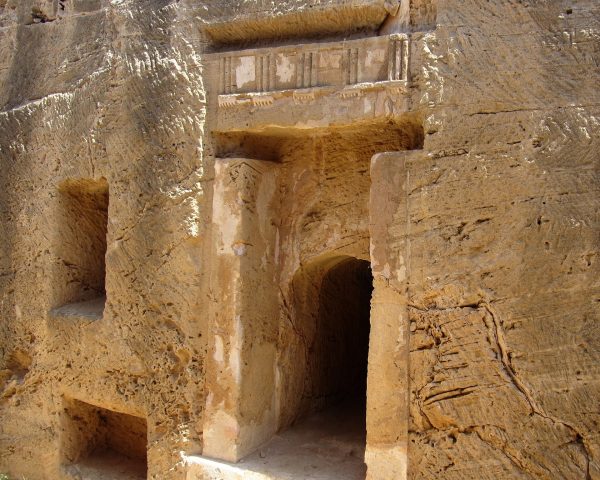
The ruins sit on a low hill, offering views of Paphos harbor and the sea. On clear days, the Troodos Mountains rise faintly in the distance. The limestone walls still bear carvings and inscriptions. Archaeologists have found mosaics, coins, and pottery here—remnants of barracks, storerooms, a church, and possibly a governor’s residence.
The site’s history continued after the earthquake. Locals used it as a quarry, carting away stones for new buildings. During the Middle Ages, part became a cemetery, with gravestones still visible in the walls. Early archaeologists noticed the ruins in the 19th century, but large-scale excavations began only in the mid-20th century. These revealed layers beneath the surface: Roman, Hellenistic, and possibly Mycenaean.
Walking through Saranta Kolones, you can imagine the fortress in its prime. Narrow passages lead to what was once a central courtyard where soldiers gathered or townspeople sought refuge. Watchtowers, now skeletal, once scanned for enemy ships. Underground cisterns, designed to hold water during sieges, lie empty. The ruins are most atmospheric at dusk, when shadows stretch across the stones.
This isn’t a place of grand monuments. Saranta Kolones is a patchwork of eras where Byzantine military structures meet ancient columns, and medieval gravestones rest beside them. It was never a capital, which is why it feels unpolished. There’s no pomp, just the weight of history in every stone.
For those who appreciate history, Saranta Kolones offers something rare. No glass cases or guided tours—just the freedom to explore. You can touch the walls where Byzantine soldiers stood or stand where decisions shaping the island’s fate were made. The ruins ask you to piece together their story yourself.
The fortress is a short walk from Paphos Archaeological Park. There’s no entrance fee, no crowds, just the open sky and the wind. In summer, the heat is intense, so bring water. The lack of shade makes the visit feel more immersive.
Saranta Kolones won’t overwhelm you like other castles. It’s for those who prefer history without fanfare, where the past feels close. There are no souvenir shops or cafes—just the sea, the wind, and the quiet certainty that more stories lie beneath these ruins.