Paphos Archaeological Park is one of those rare places where history isn’t just remembered—it’s still alive. Spread across a quiet corner of southwestern Cyprus, the park occupies what was once the heart of ancient Paphos, a city that served as the island’s capital and a vital hub of the Mediterranean world. Walking through its sunlit paths, you move through layers of time: Roman villas stand beside early Christian basilicas, medieval fortresses crumble near the remains of pagan temples, and every stone seems to carry a story. This isn’t just a collection of ruins; it’s a place where the past feels tangible, as if the people who once lived here might round the corner at any moment.
The park’s most famous treasures are its mosaics, created between the 3rd and 5th centuries AD. Remarkably well-preserved, they cover the floors of wealthy Roman homes, their intricate designs offering a glimpse into the lives of Paphos’s elite. The scenes range from mythological tales to everyday moments—hunts, banquets, religious rituals—all rendered with a skill that still astonishes. The Villa of Dionysus, named for its central depiction of the wine god surrounded by revelers, is a masterpiece of movement and color, while the Villa of Theseus shows the hero locked in his legendary battle with the Minotaur. These aren’t just decorations; they’re windows into how people saw the world, what they valued, and how they entertained themselves nearly two thousand years ago.
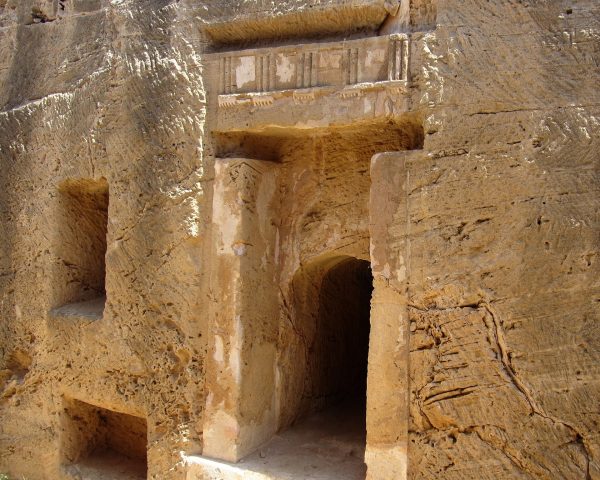
Beyond the mosaics, the park holds the remnants of a city that was once bustling with activity. The ancient agora, a vast public square, was where citizens gathered for trade, debate, and festivals. Nearby, the small but elegant odeon hosted musical performances and poetry readings, its curved seating still hinting at the acoustics that once carried voices across the crowd. Scattered throughout the site are the ruins of early Christian basilicas, a reminder that Paphos was among the first places on Cyprus to embrace the new faith. And then there are the catacombs of Saint Solomoni, carved into the rock, where early Christians sought refuge during times of persecution. Each structure tells a different part of the city’s story, from its pagan roots to its Christian transformation.
One of the most striking features is Saranta Kolones, a fortress built by the Byzantines in the 7th century to defend against Arab raids. Its name, meaning "Forty Columns," refers to the grand halls that once stood within its walls, though today only the massive foundations remain. The fortress was destroyed by an earthquake in the 12th century, but its ruins still convey a sense of strength and purpose. Nearby, the remnants of the ancient harbor speak of Paphos’s role as a key trading post, connecting the island to the wider Mediterranean world. Standing among these stones, it’s easy to imagine ships unloading goods, merchants haggling over prices, and the constant hum of a city that thrived on commerce and culture.
What makes the park special is the way it balances grandeur with intimacy. Unlike some archaeological sites, where the scale can feel overwhelming, Paphos invites you to linger. There’s no rush here—just the quiet rhythm of footsteps on ancient paths, the occasional lizard darting between rocks, and the sound of the sea in the distance. Early mornings and late afternoons are particularly magical, when the light is soft and the shadows stretch long across the ruins. It’s in these moments that the past feels closest, as if the centuries between then and now have momentarily dissolved.
The park’s inclusion on the UNESCO World Heritage list is a recognition of its significance—not just for Cyprus, but for the entire Mediterranean region. This was a place where cultures collided and blended: Greek, Roman, Byzantine, and even Arab influences are all visible in the architecture and art. For Cyprus, Paphos holds a special place in myth and history. According to legend, it was here that Aphrodite, the goddess of love, emerged from the sea, and the island was long considered her sacred domain. That connection to mythology adds another layer to the experience, as if the very landscape is steeped in stories that predate even the ruins themselves.
Visiting the park is a chance to engage with history in a way that books or documentaries can’t replicate. There are no crowds pressing in, no rigid tour schedules—just the freedom to wander, to sit on the steps of the odeon and watch the waves, or to trace the outlines of a mosaic with your fingers. It’s a place that rewards curiosity, where every corner might reveal something new, whether it’s a detail in a forgotten fresco or the way the light catches a particular stone. And because excavations are still ongoing, the park is always evolving. New discoveries are made regularly, each one adding another piece to the puzzle of Paphos’s past.
For anyone with an interest in history, art, or simply the quiet beauty of ancient places, the Archaeological Park of Paphos is a revelation. It’s not just about seeing the past—it’s about feeling it. The air carries the scent of wild thyme and salt from the sea, the same scents that would have filled the air centuries ago. The stones underfoot are worn smooth by time, just as they were when they were part of a living city. And though the people who built these structures are long gone, their world isn’t entirely lost. It’s still here, waiting to be discovered.