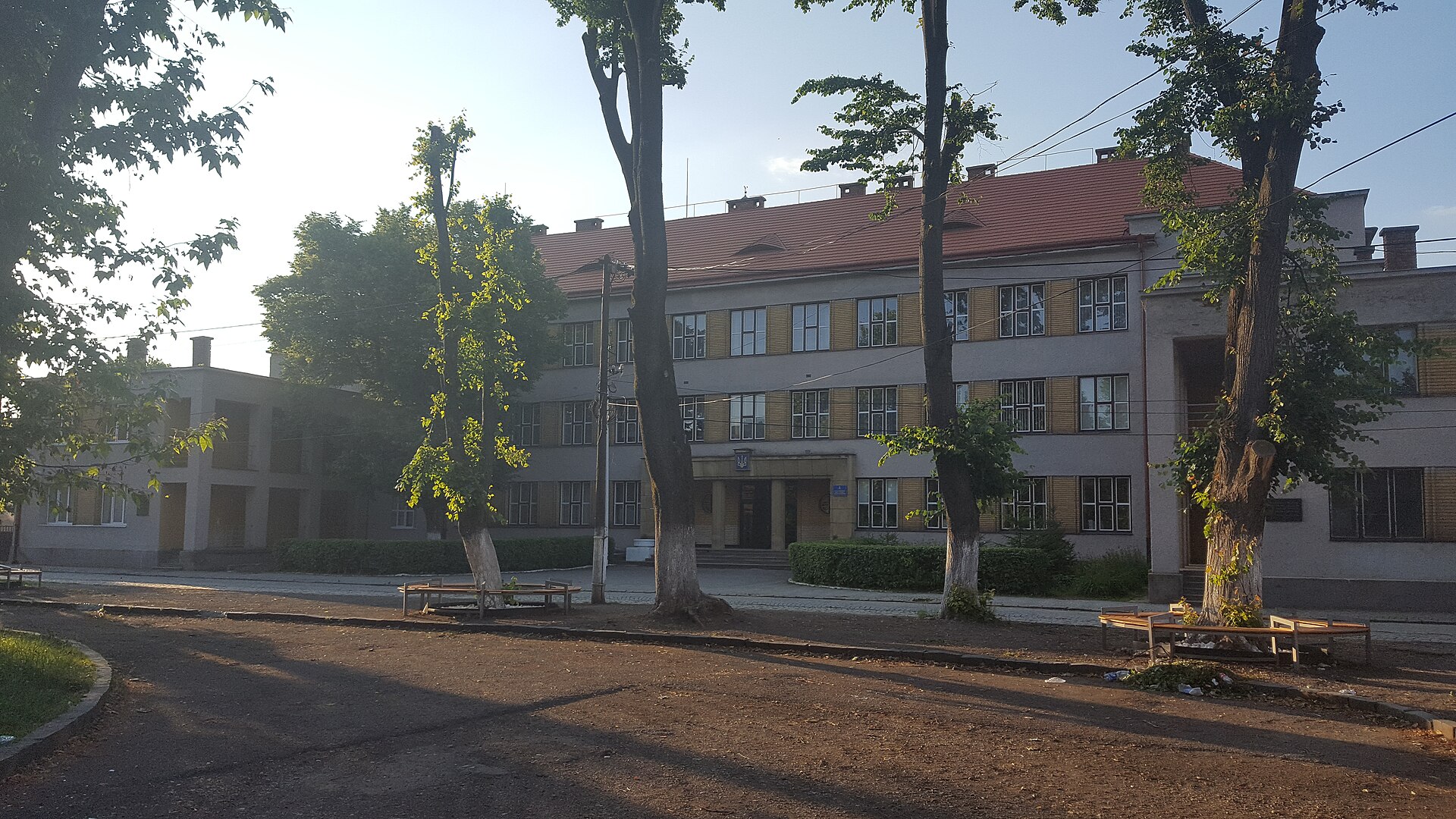
Khust Local History Museum sits quietly in the center of town, housed in a building that has seen more than a century of change. Constructed in the early 1900s when the region was still part of the Austro-Hungarian Empire, the structure itself tells a story before you even step inside. High ceilings, thick wooden doors, and ornate plasterwork hint at its past life as a district administrative office, where officials once made decisions that shaped the fate of the area. Now, those same rooms hold fragments of a different kind of history—not just dates and documents, but the everyday lives of people who called this corner of the Carpathians home.
The museum’s collection has grown slowly over the decades, gathering objects that piece together the region’s layered past. Archaeological displays reveal traces of ancient settlements along the Tysa and Rika rivers, from stone tools to bronze jewelry worn by local tribes long before Roman influence reached these lands. One of the most compelling sections focuses on salt mining, an industry that defined Khust for centuries. Salt was once as valuable as gold here, and the tools, trade records, and miniature models of mines on display offer a glimpse into the grueling work that sustained the town’s economy. It’s easy to imagine the rhythm of life dictated by the mines, where generations of families depended on the earth’s hidden wealth.
A separate hall is devoted to the ethnography of the region, where the daily lives of Transcarpathian peasants come into focus. Hand-embroidered towels, clay pottery, wooden spinning wheels, and looms fill the space, each item a testament to skills passed down through families. The traditional costumes are particularly striking—not just for their intricate patterns, but for what they reveal about the wearer. Colors and designs could indicate age, marital status, or even social standing, turning clothing into a silent language of its own. Nearby, musical instruments like cimbaloms, flutes, and violins evoke the sound of village celebrations, where music and food brought people together. It’s not hard to picture a wedding feast here, with the scent of cherry dumplings in the air and the lively tunes of a folk band filling the room.
The 20th century left deep marks on Khust, and the museum doesn’t shy away from its turbulent history. Exhibits cover the shifting borders and occupations that reshaped the town during the World Wars, when control passed from Hungarian to Czechoslovak to Soviet hands. Personal artifacts—letters from the front, soldiers’ medals, diaries—bring these events closer, revealing the human stories behind the larger narrative. One display case holds items from the Soviet era: school notebooks, Komsomol badges, propaganda posters. To modern eyes, they might seem quaint or even absurd, but for many, they were simply part of life. The contrast between then and now is striking, a reminder of how quickly the world can change.
Nature takes center stage in another part of the museum, where the wild beauty of Transcarpathia comes to life. Taxidermied animals—deer, wild boar, foxes—stand alongside displays of rare birds that inhabit the Carpathian forests. The region’s flora is equally well-represented, with herbariums and photographs explaining why this area is often called the green heart of Ukraine. A special section is dedicated to the mineral springs that have drawn visitors for centuries, their healing properties celebrated in local legends. Some exhibits even touch on the myths surrounding the mountains and rivers, stories that have been told and retold for generations. It’s a reminder that the land itself is as much a part of the region’s identity as the people who live on it.
The museum isn’t just a place for quiet observation. Temporary exhibitions often explore contemporary art, photography, or the history of specific villages, keeping the displays fresh and relevant. Workshops on traditional crafts—pottery, embroidery, basket weaving—give visitors a chance to try their hand at skills that might otherwise be lost. School groups can take part in interactive tours, where they might dress in folk costumes, play traditional instruments, or even simulate the work of a salt miner. These activities make the past feel immediate, bridging the gap between then and now.
What makes Khust’s museum special isn’t its size or grandeur, but its intimacy. There’s no pretension here, just a genuine effort to preserve and share the stories of the region. Walking through the halls, it’s impossible not to wonder about the lives that intersected with this place—the farmers, miners, soldiers, and artisans who shaped its history. The museum can’t hold every story, of course, but it offers something just as valuable: a way to connect with the land and its people, to see how the past lingers in the present. For anyone curious about Transcarpathia, it’s a quiet but essential stop, a place where history feels alive.