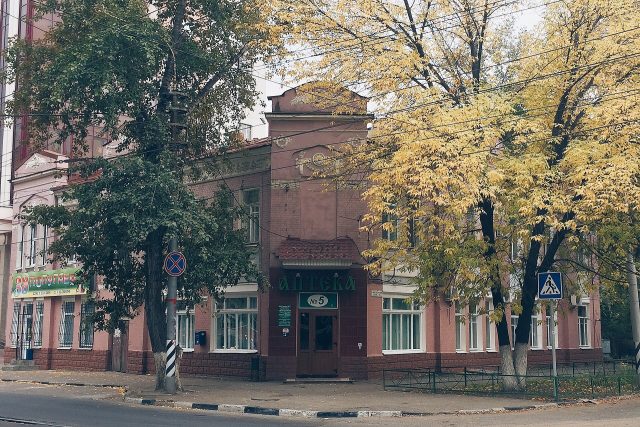
The Radishchev Art Museum in Saratov is one of those rare places where art doesn’t just hang on the walls—it feels alive, as if it’s breathing in time with the city itself. Founded in the late 19th century, it was Russia’s first public museum outside the capitals, a bold statement of accessibility that still defines its character today. Unlike many grand galleries where art can feel distant or intimidating, this museum has a warmth to it, a sense that every room has its own story to tell. Whether it’s the sweeping landscapes of the Russian Wanderers, rare European masterpieces, or works by local artists capturing the spirit of the Volga region, the collection feels personal, almost intimate.
The building itself is a work of art. Designed by St. Petersburg architect Ivan Fomin in the early 20th century, it blends neoclassical grandeur with the softer, more fluid lines of Art Nouveau. High ceilings, large windows that bathe the rooms in natural light, and a thoughtful layout invite visitors to linger, to take their time. The grand staircase leading to the main exhibition on the second floor feels like a journey through layers of history, each step bringing you closer to the art waiting above. There’s a quiet elegance here, a sense of timelessness that makes even the most familiar paintings feel new.
The museum’s collection has been growing for over a century, and it holds some true treasures. Paintings by Ivan Aivazovsky, Vasily Polenov, Isaac Levitan, and Ivan Shishkin aren’t just textbook examples of Russian art—they’re vivid snapshots of their time, full of life and emotion. A special place is reserved for the works of Alexei Bogolyubov, a native of the Saratov region, whose seascapes and battle scenes have become some of the museum’s most recognizable pieces. The European collection is equally impressive, with Flemish, Dutch, and Italian masters represented thanks to the generosity of collectors and patrons who believed in sharing art with the public.
But the Radishchev Museum isn’t stuck in the past. It’s a living space where contemporary art finds its place alongside the classics. Temporary exhibitions often explore modern themes, from urban landscapes by young artists to retrospectives of 20th-century masters who’ve been overlooked. Workshops, lectures, and talks with art historians keep the conversation going, ensuring the museum remains relevant without chasing trends. The balance between tradition and innovation is carefully maintained, making it a place where everyone—from curious schoolchildren to seasoned art lovers—can find something to connect with.
What makes the museum even more special is its setting. Located in Saratov’s historic center, not far from the Volga embankment, it’s surrounded by the quiet charm of an old provincial city. The streets here move at a slower pace, and that unhurried rhythm carries into the museum itself. Visitors don’t rush through the galleries; they take their time, pausing in front of paintings with genuine interest, sometimes discovering something unexpected. After a visit, it’s natural to wander the nearby streets or stroll down to the river, where the city’s past and present blend seamlessly.
The Radishchev Museum is more than just a collection of paintings and sculptures—it’s a piece of the region’s cultural memory. It preserves not only masterpieces but also the stories of the people who brought them together, cared for them, and passed them down. Alexei Bogolyubov, the museum’s founder, donated his personal collection to his hometown, and many others followed his lead, their names now less known but their contributions invaluable. In this way, the museum acts as a bridge between generations, a reminder that art isn’t a luxury but a necessity, something that belongs to everyone.
A visit here can be the perfect introduction to Saratov. Often seen as just a stopover on the way to more famous destinations, the city has its own distinct character, shaped by the Volga’s steady presence and a mix of tradition and modernity. The Radishchev Museum embodies that spirit. It doesn’t try to impress with size or spectacle; its strength lies in its authenticity. The art speaks for itself, without pretension, offering a quiet but profound experience that lingers long after you’ve left.