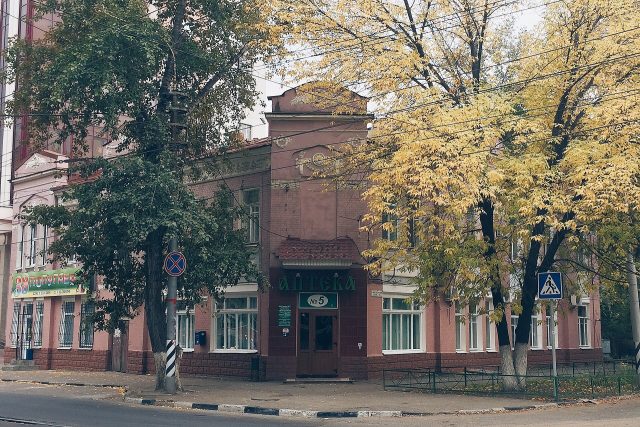
The Radishchev Art Museum in Saratov is one of those rare places where art feels alive—not just because of the paintings on the walls, but because of the very air that fills its halls. Housed in a historic mansion at the intersection of Radishchev and Volzhskaya streets, the building itself is a work of art. Constructed in the late 19th century, it blends late classicism with eclectic touches, its facade adorned with intricate stucco, tall windows, and columns. Inside, grand staircases and ornate ceilings whisper of a bygone era when the house belonged to a wealthy merchant. Now, it shelters masterpieces by Repin, Aivazovsky, Levitan, and other giants of Russian art, their canvases offering a journey through time and emotion.
The museum bears the name of Alexander Radishchev for a reason. Its founder, artist and philanthropist Alexei Bogolyubov, was the grandson of the famed writer and social critic. Inspired by his grandfather’s legacy, Bogolyubov dreamed of creating a cultural hub in Saratov that would preserve and share art with the public. In 1885, his vision became reality when the museum opened as Russia’s first public art museum outside the capitals. For a provincial city, this was a bold move—until then, serious art collections were mostly confined to private estates. Bogolyubov donated his own works, and over time, other patrons and artists contributed, turning the museum into a treasure trove of Russian culture.
Today, the museum holds over twenty thousand pieces, with its core collection spanning Russian painting and graphics from the 18th to early 20th centuries. Visitors can admire works by the Peredvizhniki, or Wanderers, including portraits by Kramskoy and landscapes by Shishkin. A standout is the collection of Saratov-born artists, particularly Viktor Borisov-Musatov, whose symbolist paintings—soft, melancholic, and dreamlike—have become the museum’s signature. His contemporaries, like Pavel Kuznetsov and Pyotr Utkin, further explored symbolism and Art Nouveau, their works adding depth to the museum’s narrative of Russian modernism.
The museum’s Western European collection is equally compelling, featuring works by Italian, Dutch, Flemish, and French masters from the 16th to 19th centuries. These pieces—landscapes, still lifes, genre scenes, and religious works—arrived through donations, diplomatic gifts, and the efforts of museum staff who, during the Soviet era, rescued art from abandoned estates and shuttered churches. Some paintings bear the marks of time: darkened varnish, cracks in the paint, or the delicate web of craquelure. Yet these imperfections only enhance their allure, making each piece feel like a fragment of history.
Beyond paintings, the museum’s holdings include sculpture, decorative arts, and rare Russian icons. The 17th- and 18th-century icons, crafted in the traditions of the Stroganov and Novgorod schools, are especially striking. Their craftsmanship and spiritual intensity transcend centuries, offering a glimpse into the religious and artistic traditions of old Russia. The museum also embraces contemporary art, hosting exhibitions that range from classical to avant-garde, along with lectures and workshops that keep the space dynamic and relevant.
Walking through the museum’s halls is like stepping into Saratov’s past. The city has long been a crossroads of cultures, shaped by trade, industry, and the flow of people along the Volga. The museum reflects this diversity, with portraits of local merchants, landscapes of the riverbanks, and scenes of provincial life. These works reveal the hopes, struggles, and daily rhythms of the people who once called Saratov home, offering a deeper understanding of the region’s history.
The museum also chronicles the evolution of artistic expression. In the Soviet-era galleries, visitors can see how artists navigated the shifting tides of ideology, from the rigid realism of Socialist art to the experimental forms of the avant-garde. Some works provoke debate, others inspire awe, but all capture the complexities of a society in flux. The museum doesn’t shy away from these contradictions; instead, it invites reflection on how art both shapes and is shaped by the world around it.
More than just a repository of art, the Radishchev Museum is a living part of Saratov’s cultural fabric. It hosts concerts, poetry readings, and artist talks, while its courtyard transforms into an open-air cinema in summer and a festive market in winter. For locals, it’s a place to unwind amid quiet galleries or dive into the energy of exhibitions and festivals. The museum bridges past and present, proving that art isn’t just something to observe—it’s something to experience.
What makes the Radishchev Museum special isn’t just its collection, but the atmosphere that lingers in its halls. There’s a sense of history here, of lives lived and stories told. A century ago, Saratov was a provincial city far from the cultural centers of Moscow and St. Petersburg. Yet thanks to the vision of people like Bogolyubov, it became a place where art was accessible to all. Today, the museum stands as a testament to that belief—a reminder that great art belongs not just to the elite, but to everyone who seeks it.