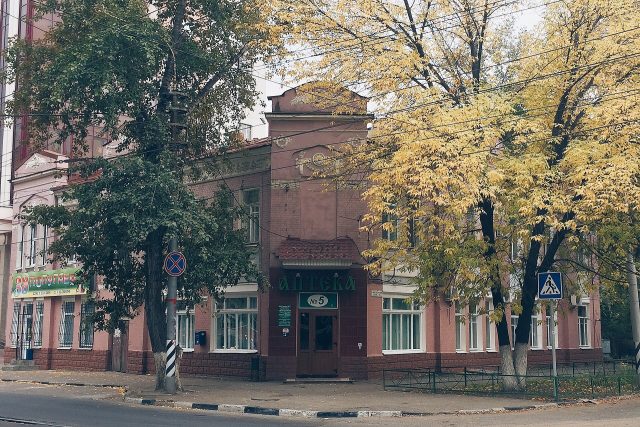
The Saratov Regional Museum of Local Lore is one of those rare places where the past isn’t just recounted through dates and facts, but through the very objects that people once held in their hands. Founded in the late 19th century, it was the first museum in Saratov and for decades remained the only institution dedicated to preserving everything that could tell the story of the region—from archaeological finds to documents, from ancient coins to everyday household items. Today, the museum occupies a building that was once the Merchants’ Assembly Hall, constructed in the early 20th century, and the structure itself is part of its history.
The building is a landmark in its own right. Its architecture stands out against the surrounding cityscape, blending elements of Art Nouveau and neoclassicism. The façade is adorned with intricate stucco details, tall windows, and heavy doors that open into spacious halls with high ceilings. Inside, traces of the original décor remain—ornate plasterwork, parquet floors, and antique chandeliers. The atmosphere transports visitors to the early 1900s, when merchants, industrialists, and the city’s intellectuals gathered here to discuss business, enjoy music, or simply spend an evening in good company.
The museum’s exhibits span an enormous stretch of time, from ancient eras to the present day. The halls display archaeological finds that tell the story of the first settlements in the Saratov region—stone tools, pottery, and jewelry. A significant portion is dedicated to the Golden Horde and the period when Russian settlers began to populate the Volga region. Visitors can see everyday objects used by nomadic peoples, weapons, coins, and documents that illustrate how life in these lands evolved over centuries.
One hall focuses on Saratov’s history as a major trade and industrial hub. In the 19th century, the city was one of the largest in the Volga region, serving as a key transit point for goods moving between central Russia and the south. The museum houses samples of products from local factories—textiles, metalware, and ceramics—as well as models of old Volga riverboats, offering insight into the development of shipping. The materials on the famous Saratov Fair, which drew merchants from across the country, are particularly fascinating.
The museum also dedicates space to the natural history of the region. Saratov Oblast lies at the intersection of several ecological zones, where forest-steppes, steppes, and semi-deserts meet. The exhibits include taxidermy of local wildlife, herbaria of native plants, and samples of minerals and rocks. Special attention is given to the Volga River, the lifeblood of the region, with displays on its ecology, fish populations, and how its landscape has changed over time.
Another important section explores the lives and cultures of the peoples who have called Saratov Oblast home. National costumes, household items, and musical instruments represent the traditions of Russians, Tatars, Kazakhs, Mordvins, and other ethnic groups. The exhibits reveal how customs and practices have endured despite historical upheavals. Temporary exhibitions often focus on the art and culture of the Volga peoples, offering a glimpse into living traditions rather than just their preserved remnants.
The 20th century is represented through documents, photographs, and personal belongings of those who lived through its tumultuous events. Materials on the Revolution, the Civil War, industrialization, and World War II provide a window into the era. A particularly moving section is dedicated to Saratov’s contributions to the war effort, featuring soldiers’ letters, medals, and photographs. Soviet-era household items—furniture, dishes, clothing—help visitors understand how daily life transformed over the decades.
Beyond preserving history, the museum engages with the present. It hosts lectures, discussions with historians and local scholars, and literary events. For students, there are guided tours and interactive workshops where they can handle replicas of ancient objects, try writing with a quill, or even dress in traditional costumes. In recent years, the museum has expanded its digital offerings, including virtual tours, online exhibitions, and interactive maps.
A visit to the Saratov Regional Museum of Local Lore is more than just a walk through exhibits—it’s an immersion in the layered history of the region. Whether you spend an hour or a full day here, each hall offers a new perspective on the past. The museum doesn’t impose conclusions but invites visitors to reflect on how people once lived, what mattered to them, and what they aspired to. That, perhaps, is its greatest value.