Perched on a hillside in the Beverly Hills subdivision of Cebu City, the Taoist Temple is a quiet sanctuary that offers more than just a glimpse into the spiritual practices of the local Chinese-Filipino community. Built in 1972 by Cebu’s substantial Chinese population, the temple is a place of worship, reflection, and cultural preservation, blending traditional Taoist architecture with the tropical landscape of the Philippines. Unlike the bustling streets below, the temple grounds feel removed from time, with the scent of incense lingering in the air and the sound of prayer beads clicking softly against one another.
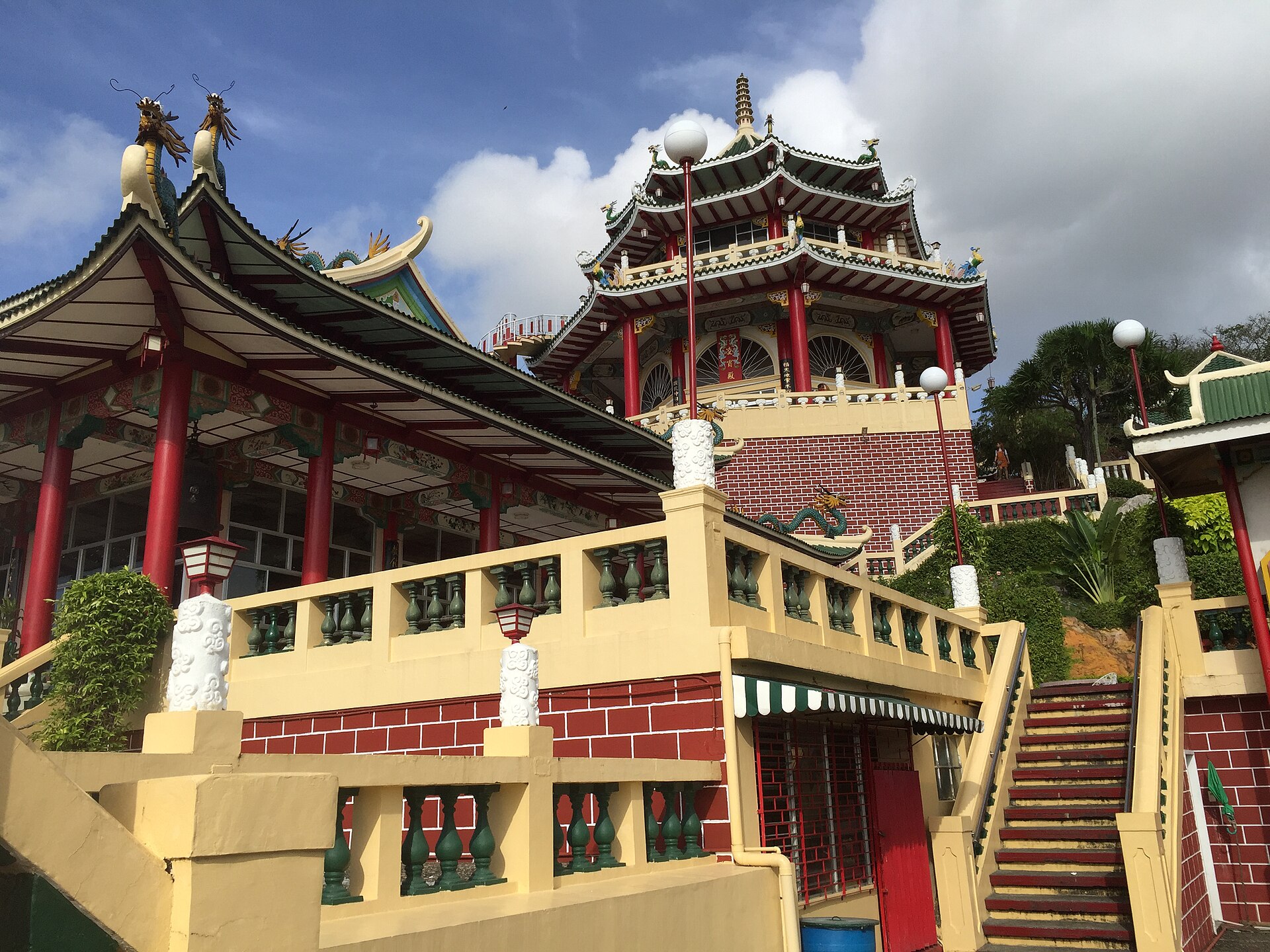
The temple’s design is a careful recreation of traditional Chinese religious architecture, though adapted to the local climate and materials. Its multi-tiered structure features bright red pillars, green-tiled roofs with upturned eaves, and intricate dragon motifs that symbolize protection and power in Taoist belief. The main hall houses statues of deities central to Taoism, including Lao-Tzu, the revered philosopher credited with founding the religion. Visitors are often struck by the contrast between the temple’s vibrant colors and the lush greenery that surrounds it, creating a sense of harmony between the man-made and natural worlds.
One of the most striking features of the temple is its grand entrance, marked by a sweeping staircase of 81 steps—each representing one of the chapters of the Tao Te Ching, the foundational text of Taoism. Climbing these steps is not just a physical journey but a symbolic one, meant to prepare the mind and spirit for worship. At the top, a large courtyard opens up, offering panoramic views of Cebu City and the surrounding hills. On clear days, the sea in the distance shimmers under the sunlight, adding to the sense of tranquility.
The temple is not just a place for prayer but also a living cultural space. During major Taoist festivals, such as the Chinese New Year and the birthday of the Jade Emperor, the temple comes alive with rituals, offerings, and the vibrant energy of devotees. Incense coils burn slowly, filling the air with fragrant smoke, while devotees kneel in prayer or consult fortune sticks for guidance. Even on ordinary days, the temple maintains a steady rhythm of activity, with locals and visitors alike stopping by to light candles, make offerings, or simply find a moment of peace.
What makes the Taoist Temple particularly interesting is its role in the broader cultural landscape of Cebu. The Chinese-Filipino community has been a vital part of the city’s history for centuries, contributing to its trade, cuisine, and traditions. The temple stands as a testament to this enduring influence, offering a space where cultural identity is both preserved and shared. Unlike some religious sites that feel closed off to outsiders, the Taoist Temple welcomes visitors with an openness that reflects the inclusive nature of Taoism itself. There are no strict dress codes or prohibitions, though modesty and respect are expected.
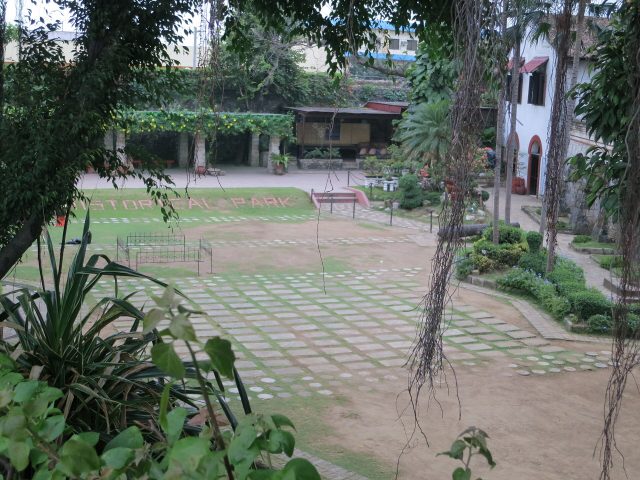
The temple’s location in Beverly Hills, one of Cebu’s more affluent neighborhoods, also adds to its unique character. The area is known for its well-manicured streets, upscale homes, and quiet atmosphere, making the temple feel like a hidden gem rather than a tourist hotspot. Those who make the effort to visit are rewarded with a sense of discovery, as if stumbling upon a secret corner of the city where time moves a little slower. The nearby gardens and shaded walkways provide a perfect place to sit and absorb the surroundings, whether you’re there for spiritual reasons or simply to enjoy the view.
For many visitors, the most memorable part of the experience is the sense of connection—to history, to culture, and to the people who call this place home. The temple is not just a relic of the past but a living, breathing part of Cebu’s present. It’s a place where the old and the new coexist, where the rituals of centuries ago are still practiced with sincerity, and where the boundaries between different cultures blur in the most natural way. Whether you’re drawn by curiosity, faith, or the promise of a quiet escape, the Taoist Temple offers something rare: a moment of stillness in a world that often feels too fast.