Fort San Pedro is one of those rare places in Cebu where history isn’t just remembered—it lingers in the air, heavy with the weight of centuries. Built in the early 1560s, it was the first Spanish fort in the Philippines, a quiet witness to the moment when these islands first entered the orbit of European colonization. Today, it stands as a pocket of stillness in the heart of a bustling city, where the past isn’t confined to plaques or exhibits but seeps into the very stones underfoot. Walking through its gates feels like stepping into another era, one where soldiers, traders, and missionaries once moved through these same corridors, their voices long faded but their presence somehow still tangible.
The fort’s architecture tells a story of adaptation and survival. What began as a modest wooden palisade in the 16th century evolved over decades into a sturdy stone fortress, its triangular layout a hallmark of Spanish military design. The three bastions—La Concepción, Ignacio de Loyola, and San Miguel—were named after saints, their imposing forms serving as both defenses and declarations of faith. Thick walls, narrow gun ports, and a surrounding moat made the fort a formidable barrier, though in reality, it saw little combat. Instead, its strength lay in its symbolism: a statement of Spanish control over a land that was still being shaped by outside forces.
Inside, the fort’s layout offers glimpses into the daily life of its inhabitants. The barracks, storerooms, and small chapel were all essential to the garrison’s operations, but the fort’s role extended far beyond military duty. Over the centuries, it served as a school, a hospital, and even a prison. During World War II, Japanese forces occupied it, leaving their own mark on its history before abandoning it to decay. It wasn’t until the 1970s that restoration efforts breathed new life into the structure, turning it into the open-air museum it is today.
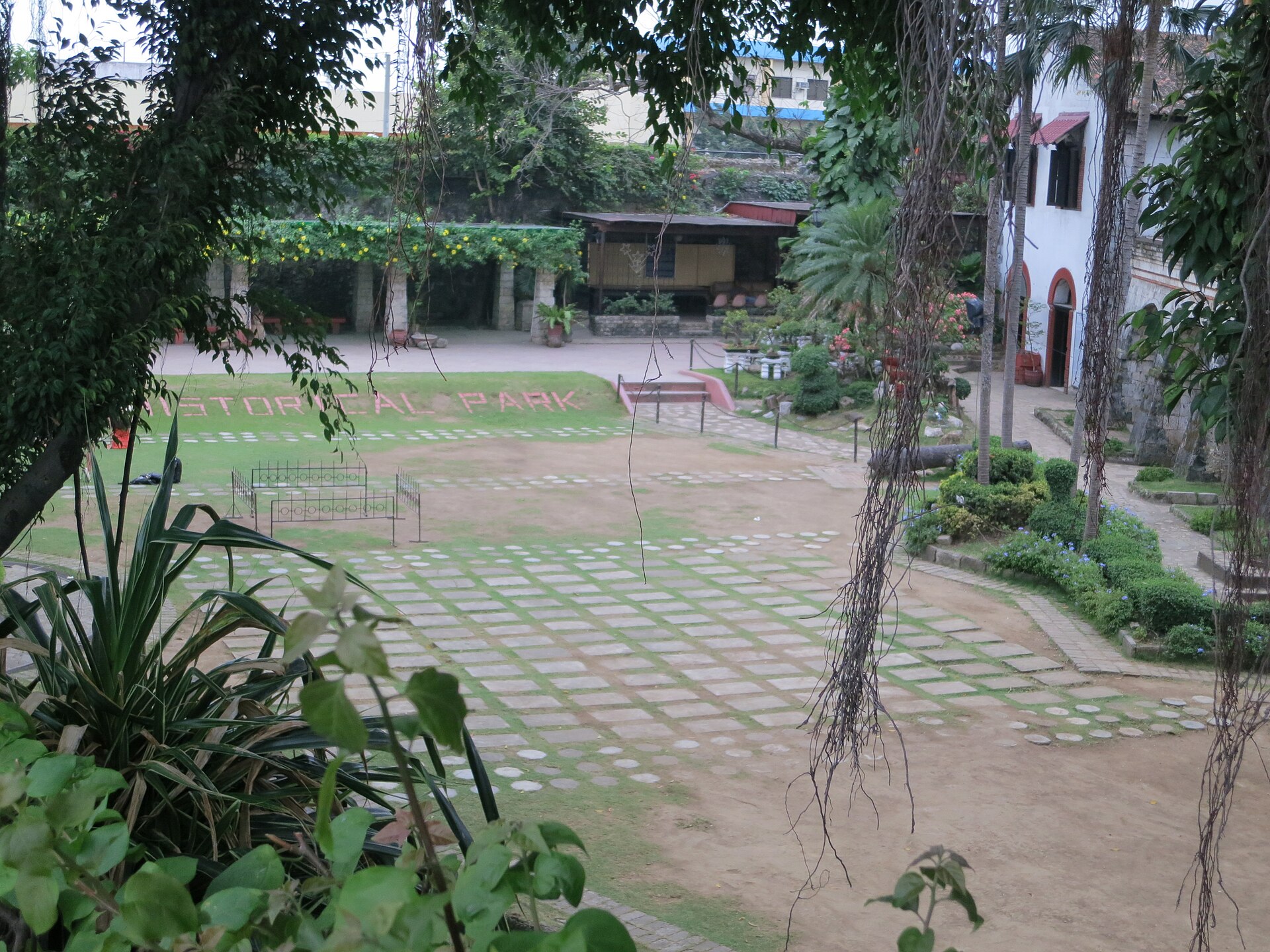
Now, Fort San Pedro is a place where time moves differently. Visitors can wander along the weathered ramparts, peer into the small museum filled with colonial-era artifacts, or simply sit on a bench beneath the shade of acacia trees. The surrounding park is a favorite spot for locals—families picnic on the grass, joggers weave along the paths, and children play near the old cannons. Despite its central location, the fort feels worlds away from the noise of Cebu’s streets. In the evenings, when the lights cast long shadows across the walls, the past feels almost within reach, as if the fort itself is holding its breath.
For Filipinos, Fort San Pedro is more than just a historical site; it’s a symbol of resilience. Though it never saw major battles, its walls witnessed the slow unraveling of colonial rule and the birth of a nation’s identity. In the 19th century, it became a gathering place for revolutionaries, a quiet stronghold for those who dreamed of independence. Today, occasional lectures and exhibits keep that spirit alive, offering visitors a chance to connect with the struggles and triumphs that shaped the Philippines.
Cebu is often associated with its beaches, malls, and nightlife, but Fort San Pedro reveals another side of the city—one that’s slower, more reflective. From its vantage point near the harbor, you can watch modern ships glide into port, a reminder that this has always been a crossroads of cultures and commerce. The fort, with its enduring presence, stands as a counterpoint to the city’s constant motion, a silent guardian of the past.
If you find yourself in Cebu, it’s worth setting aside an hour or two to visit Fort San Pedro. There’s no grand spectacle here, no flashy attractions—just the quiet weight of history pressing against your palms as you run your fingers along the old stone. It’s the kind of place where you might pause to wonder about the lives that unfolded within these walls: the soldiers who stood watch, the prisoners who waited, the revolutionaries who plotted. In a city that’s always moving forward, the fort offers a rare moment of stillness, a chance to listen to the echoes of what came before.