Cebu Business Park shows how the Philippines has changed. Located in Cebu City, it marks the island’s move from a beach and colonial history destination to a center of commerce. Glass towers here house multinational offices, banks, and hotels, yet the area retains a connection to the city’s older districts.
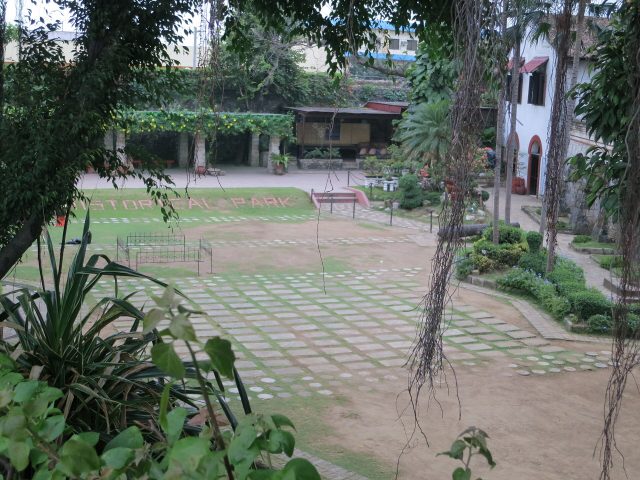
The architecture mixes function with local design. High-rises stand near open plazas, green spaces, and wide walkways. The most noticeable structure is Ayala Center Cebu, a complex that combines shopping with public areas. After work, people walk along the waterfront, eat at cafes, or sit on benches. At night, lighting changes the park’s mood, making it feel less like a typical business zone.
The park’s development began in the early 2000s, when the Philippines started attracting foreign investment. Cebu, with its location and infrastructure, became important. Planners wanted to avoid creating a district that emptied after office hours. Their goal was a place where people could work, live, and relax—not just a cluster of buildings.
Accessibility is one of the park’s advantages. It’s near Cebu’s historic center, with its Spanish-era buildings, and connected to modern districts. Public transport and taxis make it easy to reach. The layout encourages walking, which appeals to business travelers and tourists who want to see a different side of the island.
The park hosts cultural events. Exhibitions, concerts, and festivals happen regularly. In January, the Sinulog Festival fills the area with music, dance, and costumes. On other days, street musicians or artists may appear, adding unpredictability to the environment.
For business visitors, the park provides what’s needed for work. Conference rooms, coworking spaces, and restaurants with business lunches are available. Fitness centers offer a break. The walkways, shops, and cafes are open to everyone, making the area feel less restricted than other business districts. You can stay for a meeting or just to enjoy the skyline view.
Offices of IT firms, outsourcing centers, and financial institutions line the streets. For young Filipinos, working here means joining international companies without leaving Cebu. Yet the park doesn’t feel separate from the city—employees eat at local spots, shop at markets, and take part in daily life.
Tourists are visiting more often. Those who come for beaches and diving now include the park in their plans. Here, you can shop at contemporary boutiques, try international food, or watch the city from a high-rise observation deck. It shows another side of the Philippines, beyond tropical getaways.
The park feels like part of the city, not a detached zone. Work and leisure mix here. Its design keeps tradition and progress together. For Cebu, it’s a sign of how the city has handled its past and its future.