Tainan’s Confucius Temple is one of those rare places where history isn’t just remembered—it lingers in the quiet corners, in the scent of incense clinging to the air, in the way sunlight filters through the old wooden beams. Built in the mid-17th century, when Taiwan was still under Ming dynasty rule, it was the first temple dedicated to Confucius on the island, and it remains one of the most significant in the Chinese cultural sphere. Unlike the ornate Buddhist or Taoist temples that dominate Taiwan’s religious landscape, this is a place of restraint. There are no grand processions, no clanging cymbals or swirling dancers—just the measured rituals of reverence for a teacher whose ideas shaped an entire civilization. The temple doesn’t demand attention; it earns it through its quiet persistence.
The architecture here is a lesson in harmony, where every line and curve serves a purpose. There’s no gilded excess, no jarring colors—just a careful balance of stone and wood, symmetry and space. The main gate, intricately carved, leads into a courtyard where the Dacheng Hall stands at the center. Its green-tiled roof seems to float above the ground, supported by massive columns fitted together without a single nail, a testament to traditional craftsmanship. Inside, there are no statues, only a wooden plaque bearing Confucius’s name. This isn’t a place of worship in the conventional sense; it’s a tribute to a philosopher whose teachings became the foundation of governance, education, and ethics across East Asia. Nearby, smaller pavilions once housed scholars studying classical texts, preparing for imperial examinations that would determine their futures.
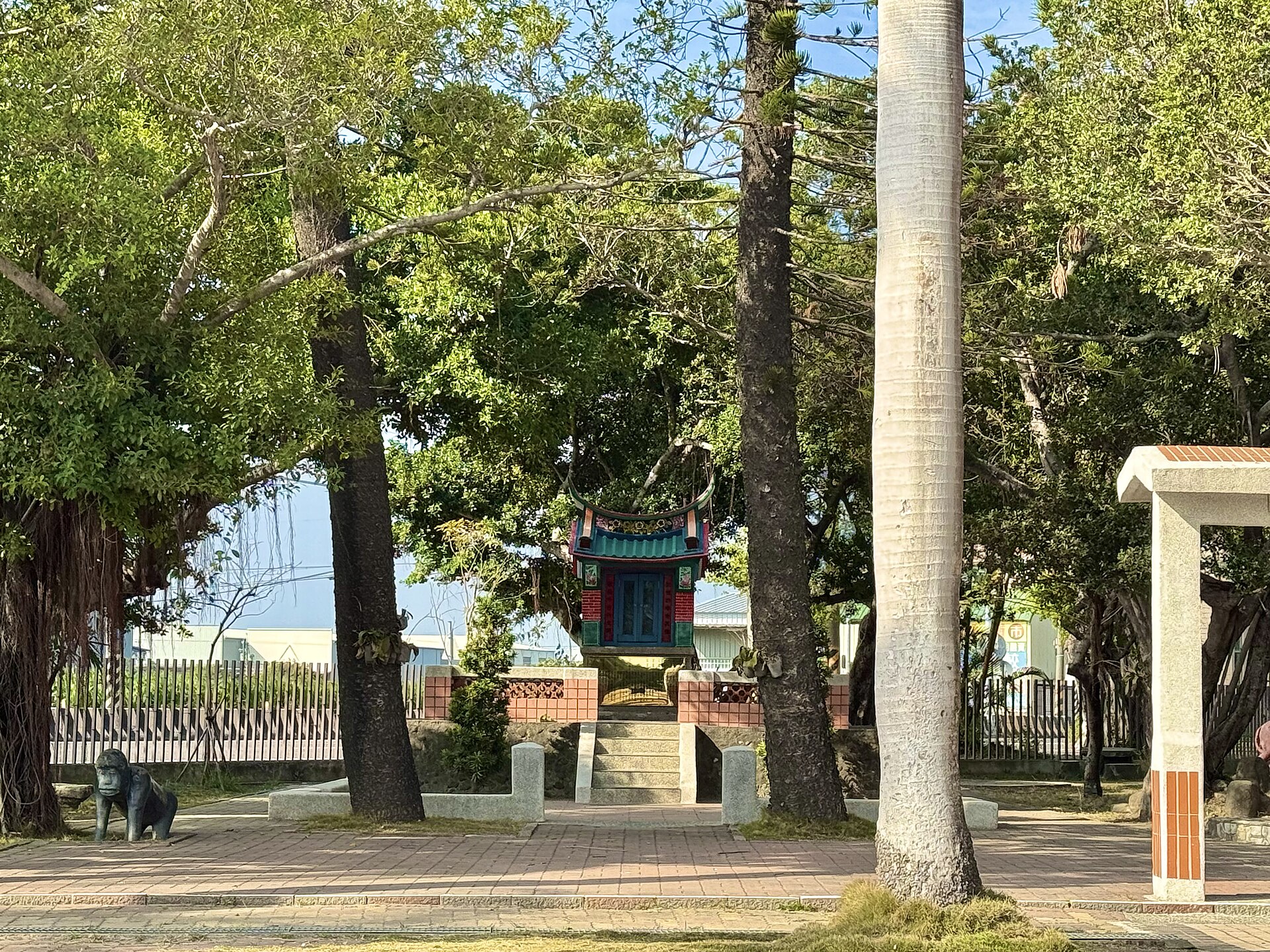
The temple’s history is woven into Tainan’s own. When Koxinga (Zheng Chenggong) expelled the Dutch from Taiwan in 1661, he immediately ordered the construction of this temple, a deliberate act to affirm Chinese cultural continuity on the island. At the time, Tainan wasn’t just Taiwan’s political capital—it was its intellectual heart, drawing scholars, poets, and artists. The temple became a center of learning, its library filled with rare manuscripts and woodblock prints. Even after the capital moved to Taipei in the late 19th century, the temple retained its significance, evolving into a symbol of enduring tradition. It’s easy to imagine the scholars who once walked these courtyards, debating the classics under the same banyan trees that still stand today.
What strikes visitors most is the temple’s atmosphere. Unlike the bustling night markets or crowded temples elsewhere in Taiwan, this place moves to a slower rhythm. There are no tour groups jostling for photos, no vendors hawking trinkets—just the occasional visitor pausing to light incense or sit on a stone bench, lost in thought. Mornings are especially peaceful, with locals arriving to make offerings or simply enjoy the quiet. On Teacher’s Day, celebrated on Confucius’s birthday, the temple comes alive with students in traditional robes performing ritual dances and scholars giving lectures on classical texts. But even on ordinary days, time feels different here, as if it’s still governed by the measured pace of ancient ceremonies.
Beyond its religious role, the temple remains an active center of learning. Classes in calligraphy, classical Chinese philosophy, and traditional music are still held in its side pavilions. One room displays antique instruments used in Confucian rituals, their polished wood and silk strings hinting at the solemn melodies once played here. Centuries ago, the temple educated the children of elite families, but today, its doors are open to anyone curious about the past. Most modern visitors don’t come seeking formal instruction, though—they come for the sense of connection to something older and deeper than the digital age. It’s a place where the weight of history isn’t just observed but felt.
The details of the temple tell their own stories. Stone turtles bear steles inscribed with the names of top scholars who passed the imperial exams, their achievements literally set in stone. A well in the courtyard once provided water for ceremonial tea, its surface now still and reflective. The ancient banyan tree, its roots entwined with the temple walls, was planted when the temple was founded and has grown alongside it, a living part of the structure. Even the shadows cast by the trees seem deliberate, as if following an unspoken order. Every element here has its place, and nothing feels accidental.
This isn’t a temple in the way most people understand the word. There’s no mysticism, no miracles—just a quiet insistence on reason, ethics, and self-improvement. Perhaps that’s why it hasn’t become a typical tourist attraction. It doesn’t clamor for attention or dazzle with spectacle; it simply endures, much like the traditions it represents. First-time visitors might find it austere, even dull, but those who linger begin to sense the depth beneath its simplicity. It’s a place that rewards patience, where the longer you stay, the more you notice—the way the light changes in the afternoon, the sound of leaves rustling in the courtyard, the faint scent of incense that never quite fades.
In a world that moves faster every day, places like Tainan’s Confucius Temple serve as anchors. They remind us that some things—ideas, values, the pursuit of knowledge—transcend time. The temple no longer trains officials for an imperial court, but its walls still echo with the spirit of scholarship and respect for learning. That’s why it remains important not just to Taiwan, but to the broader Chinese cultural world. It’s a bridge between past and present, a place where the past isn’t just preserved but still alive, waiting for those willing to listen.