The Temple of Ishtar in Mari stands as one of the most evocative remnants of Syria’s ancient past, a place where the layers of history feel almost tangible. Located near the modern village of Salkhiyah in the Euphrates River valley, this site was once part of Mari, a thriving city-state that flourished around 2900–1759 BCE. Mari was a crossroads of trade and culture, linking Mesopotamia with the Mediterranean and Anatolia, and its ruins reveal a society that was both sophisticated and deeply religious. The Temple of Ishtar, dedicated to the Mesopotamian goddess of love, war, and fertility, was not just a place of worship but a center of political and social life, where kings, priests, and ordinary people gathered to seek favor from the divine.
The temple’s architecture reflects the grandeur of Mari’s golden age, particularly during the reign of King Zimri-Lim in the 18th century BCE. The structure was built with mudbrick, a common material in the region, but its design was far from ordinary. The main sanctuary featured a raised platform, or cella, where the statue of Ishtar would have stood, surrounded by smaller chambers for offerings and rituals. The walls were likely adorned with painted frescoes or carved reliefs, though much of this decoration has not survived the centuries. What remains today are the outlines of the temple’s foundations, the remnants of its thick walls, and the sense of scale that hints at its former importance.
One of the most fascinating aspects of the Temple of Ishtar is its role in the broader religious landscape of Mari. Ishtar was a complex deity, embodying both nurturing and destructive forces, and her worship here was intertwined with the city’s identity. The temple was part of a larger sacred precinct that included other shrines, administrative buildings, and the famous Palace of Zimri-Lim, which housed thousands of cuneiform tablets detailing everything from royal decrees to personal letters. These tablets, discovered in the 20th century, offer a rare glimpse into daily life in Mari, revealing how deeply religion shaped governance, trade, and even diplomacy. The temple’s priests and priestesses were not just spiritual leaders but also advisors to the king, their interpretations of omens and dreams guiding state decisions.
The decline of Mari and its temple began with the rise of Hammurabi’s Babylonian Empire. In 1759 BCE, Hammurabi conquered the city, and Mari was systematically destroyed. The Temple of Ishtar, like much of the city, was abandoned and eventually buried under layers of sand and silt. For millennia, it lay forgotten, its location known only through ancient texts. It wasn’t until the 1930s that French archaeologists, led by André Parrot, began excavating the site, uncovering the ruins of Mari and its temples. The discovery was a revelation, providing concrete evidence of a civilization that had previously existed only in myth and fragmentary records.
Visiting the Temple of Ishtar today is a quiet experience, far removed from the bustle of modern cities. The site is modest compared to the sprawling ruins of Palmyra or the grandeur of Damascus’s Umayyad Mosque, but its significance lies in its intimacy. Standing among the low walls and weathered stones, it’s easy to imagine the processions of worshippers, the scent of incense, and the murmur of prayers that once filled this space. The Euphrates River, which once sustained Mari’s prosperity, flows nearby, its waters a reminder of the continuity of life in this arid landscape. The surrounding countryside is dotted with small villages, where life has changed little over the centuries, offering a glimpse into the enduring rhythms of the region.
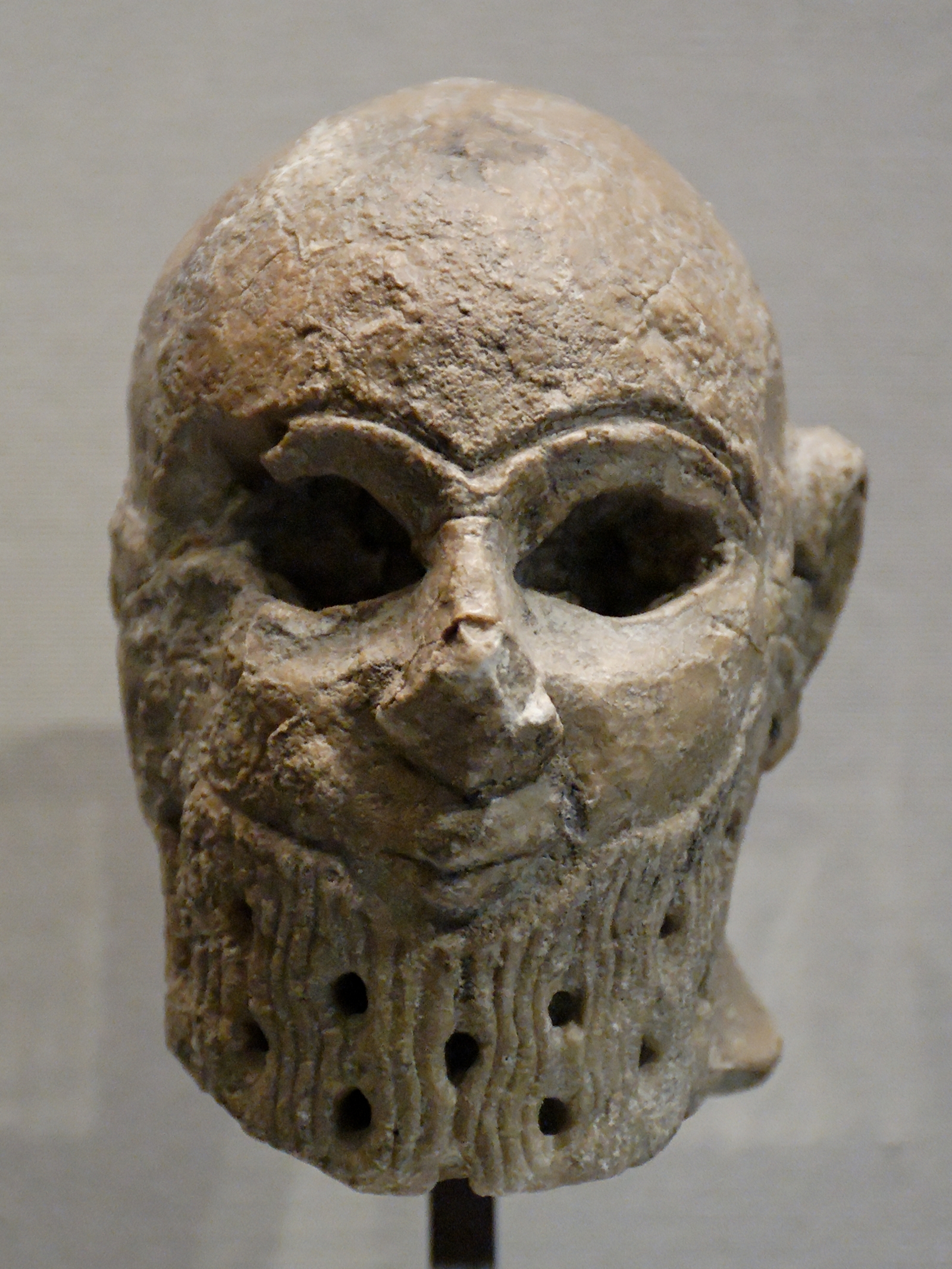
The temple’s excavation has also revealed artifacts that bring its history to life. Among the most notable are the votive statues and cylinder seals found in the temple’s vicinity, many of which depict Ishtar in her various forms. Some show her as a warrior, armed with weapons, while others emphasize her role as a goddess of fertility, surrounded by symbols of abundance. These objects, now housed in museums in Syria and abroad, underscore the temple’s role as a place of devotion and artistic expression. They also highlight the interconnectedness of ancient Mesopotamian culture, where art, religion, and politics were inseparable.
For those interested in history, the Temple of Ishtar offers a chance to step into a world that shaped the foundations of civilization. Mari was one of the earliest urban centers in the world, and its temple was a cornerstone of that society. The site’s relative obscurity today means that visitors can explore it without the crowds that flock to more famous ruins, allowing for a more contemplative experience. The silence of the desert, broken only by the wind and the occasional call of a bird, adds to the sense of timelessness. It’s a place where the past feels close enough to touch, where the stories of kings and gods are etched into the very stones.
Yet the Temple of Ishtar is also a reminder of the fragility of heritage. Syria’s ancient sites have faced immense challenges in recent decades, from looting to the destruction wrought by conflict. The temple, like many others, has suffered from neglect and the passage of time, its ruins slowly eroding under the harsh desert sun. Efforts to preserve such sites are ongoing, but they are often hampered by limited resources and the complexities of the region’s political situation. For now, the temple stands as a testament to resilience, a silent witness to the rise and fall of empires, and a symbol of the enduring human need to connect with something greater than ourselves.
Visiting the Temple of Ishtar is not just about seeing an ancient ruin; it’s about understanding the threads that connect us to the past. Mari was a city of merchants, priests, and artisans, a place where ideas and goods flowed as freely as the Euphrates. The temple was its heart, a place where the divine and the earthly met. Today, it invites reflection on how civilizations are built, how they endure, and how they fade. In its quiet ruins, there is a story waiting to be heard—one of faith, power, and the unshakable human desire to leave a mark on the world.