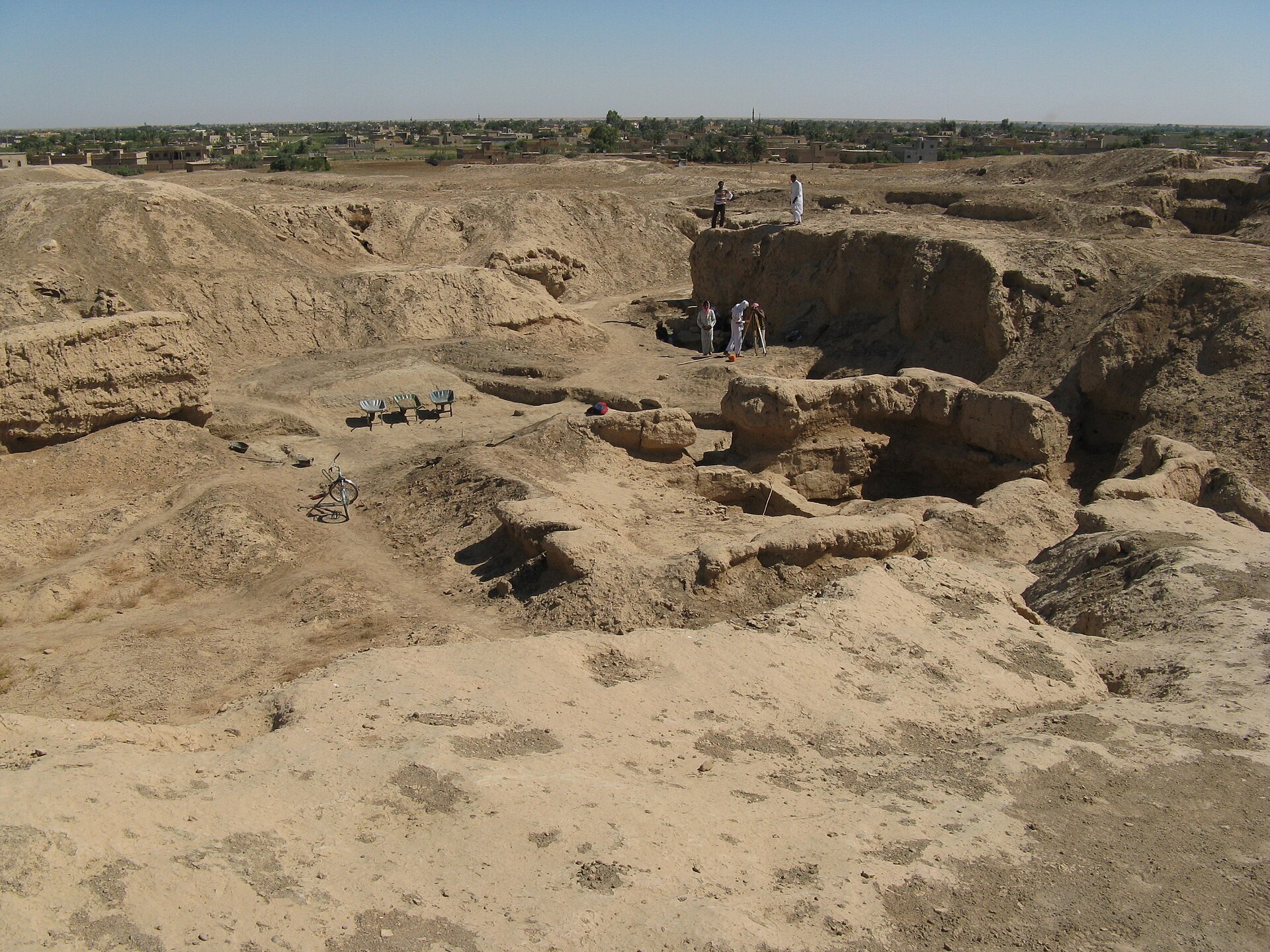
The ruins of the Palace of Zimri-Lim stand quietly in the Syrian steppe, not far from the modern town of Salkhiyah. This was once the heart of a kingdom that thrived nearly four thousand years ago, when the city of Mari flourished along the banks of the Euphrates. The palace itself was more than just a royal residence—it was the political and administrative center of a state that controlled trade routes between Mesopotamia and the Mediterranean. Today, its crumbling walls and scattered fragments tell a story of power, diplomacy, and the passage of time.
Built around 1775 BCE, the palace was the seat of Zimri-Lim, a king whose reign marked one of the most documented periods in ancient Near Eastern history. The structure covered an area of about two and a half hectares, making it one of the largest palaces of its time. Its layout was meticulously planned, with over three hundred rooms arranged around courtyards, corridors, and private quarters. The palace wasn’t just a home for the king and his family; it housed scribes, officials, and servants who managed the kingdom’s affairs, from tax collection to foreign correspondence.
What makes the Palace of Zimri-Lim particularly fascinating is the wealth of artifacts discovered within its walls. Archaeologists have unearthed thousands of clay tablets inscribed in cuneiform, offering a rare glimpse into the daily life of the era. These tablets record everything from royal decrees and legal disputes to personal letters and economic transactions. One of the most famous finds is a letter from Zimri-Lim’s wife, Shibtu, detailing the king’s absence and the state of the palace in his stead. Such documents reveal a society that was highly organized, with a complex bureaucracy and a network of alliances that stretched across the region.
The architecture of the palace reflects both practicality and grandeur. The main entrance led to a large courtyard, where visitors would have been received before being granted access to the inner sanctums. The throne room, one of the most impressive spaces, was adorned with wall paintings depicting scenes of religious and royal significance. These murals, though faded, suggest a culture that valued art as a means of reinforcing power and divine favor. The palace also included private apartments, storage rooms, and even a bathhouse, indicating a level of comfort and sophistication that was rare for the time.
Over the centuries, the palace fell into ruin, buried beneath layers of earth and forgotten until its rediscovery in the 20th century. Excavations began in the 1930s, revealing not only the palace but also the broader city of Mari, which had been a major urban center in the Bronze Age. The site has since become a key reference point for understanding the political and cultural dynamics of ancient Mesopotamia. Yet, despite its historical importance, the palace remains relatively unknown outside academic circles, overshadowed by more famous ruins like those of Babylon or Ur.
Visiting the site today, one is struck by the vastness of the ruins and the silence that surrounds them. The Euphrates, once a lifeline for the city, flows nearby, its waters a reminder of the river’s role in shaping the region’s history. The palace’s walls, though eroded, still hint at the scale of the original structure, while the scattered remnants of columns and doorways evoke a sense of the people who once walked these halls. There are no crowds here, no modern reconstructions—just the quiet persistence of the past.
The Palace of Zimri-Lim is more than an archaeological site; it’s a window into a world that laid the foundations for many aspects of modern civilization. The administrative systems, legal codes, and even the diplomatic practices of Mari influenced later empires, from the Assyrians to the Persians. The palace itself, with its blend of functionality and artistry, reflects the ambitions of a kingdom that sought to project strength and stability in a volatile region. For those willing to look beyond the well-trodden paths of ancient history, it offers a chance to connect with a story that is both deeply human and profoundly distant.
The challenges of preserving such a site are immense, especially in a region that has seen its share of conflict and upheaval. Yet, the ruins endure, a testament to the resilience of history. Walking through the palace grounds, it’s easy to imagine the bustle of activity that once filled these spaces—the scribes bent over their tablets, the messengers arriving with news from distant lands, the king holding court in the throne room. The past here feels tangible, not just because of the physical remains, but because of the stories they carry. In a way, the Palace of Zimri-Lim is still speaking, if only we take the time to listen.