
Salkhiyah
Syria · 7 places
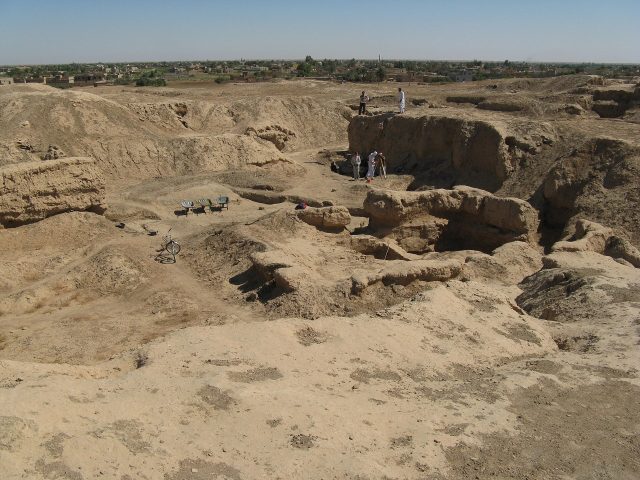
Photo: J. A. Baird, CC BY 4.0
Salhiyeh
In the foothills of northwestern Syria, Salhiyeh stays with you after you leave. It’s missing from most travel guides, which is why arriving feels like stumbling upon something hidden. The town is small, its streets winding between old stone houses that glow in the late afternoon sun. There are no grand monuments or busy squares—just the unhurried pace of a community that has existed for centuries.
The landscape around Salhiyeh is gentle. Hills roll toward the horizon, their slopes terraced with vineyards, pomegranate orchards, and olive trees. The air smells of wild herbs and woodsmoke from clay ovens. Evenings come slowly, shadows stretching across cobblestone alleys, birds settling into nests. Time here moves differently; it lingers in the cracks of old walls, in the steps of farmers who have walked these paths for generations.
History in Salhiyeh isn’t displayed—it’s lived. The town’s origins are unclear, buried under layers of empires: Roman legions, medieval traders, nomadic caravans that rested in its hills. What remains are narrow lanes paved with smooth stones, houses with flat roofs where figs and peppers dry, and the occasional ruin of a watchtower on a ridge. The people don’t boast about their town’s age; they tend olive presses and ferment wine in clay jars, as their ancestors did.
Life in Salhiyeh depends on the land.
In autumn, the olive harvest turns the streets green and purple. Farmers use stone mills, their hands moving in the same way their grandfathers’ did. At the market, jars of homemade labneh sit beside warm bread. The seasons set the rhythm: spring brings wildflowers, summer cools the evenings with mountain breezes, and winter dusts the rooftops with snow.
Salhiyeh has no grand spectacles. What you’ll find is daily life as it’s always been. Mornings start with the call to prayer from the small mosque. Children play in the alleys, old men sip tea on doorsteps, and women knead dough with spices passed down through generations. Strangers are rare but not unwelcome—visitors often get invited inside for coffee or fresh fruit, offered with the ease of people who have time to sit.
If you come here, don’t expect luxury. What stays with you is the sight of a farmer leading his donkey up a terraced slope at dawn, the taste of olives cured in salt and lemon, the sound of laughter from a courtyard as the sun sets. This is Syria without crowds—a place where the past isn’t just remembered, but still alive.
See & Do
7 places
Places on the map
Marker colour follows the categoryClimate and weather
Detailed weather: Salkhiyah- Average temperature
- 21 °C
- Precipitation per year
- 143 mm
Average air temperature
°C
8
10
14
19
25
31
34
33
29
23
14
9
Jan
Feb
Mar
Apr
May
Jun
Jul
Aug
Sep
Oct
Nov
Dec


