The Khakass National Museum in Abakan is one of those rare places where history doesn’t just sit behind glass—it speaks. The stories here feel alive, as if the land itself is sharing its memories through the artifacts, traditions, and voices of the people who have called this region home for thousands of years. From ancient nomads to modern Khakass communities, the museum preserves the layers of a culture shaped by the vast steppes, rugged mountains, and the rhythms of a way of life that has endured despite centuries of change.
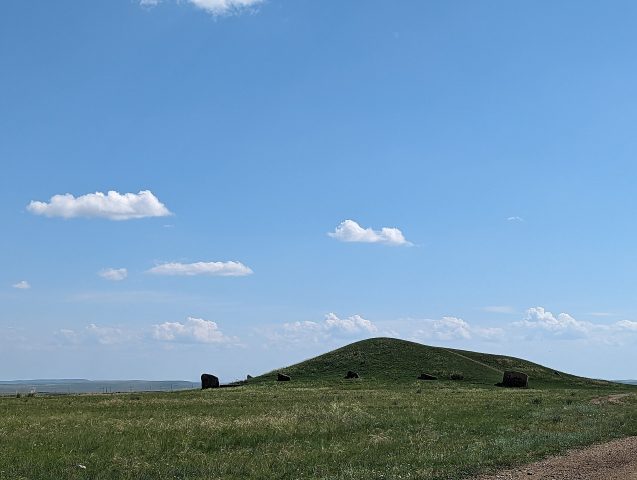
Founded in the mid-20th century, the museum emerged at a time when the Khakass people’s heritage was at risk of fading. Many traditions had already begun to slip away, and everyday objects—clothing, tools, household items—were disappearing as modern life took hold. Today, the museum’s collection spans tens of thousands of items, with archaeological finds forming the backbone of its exhibits. Stone statues, petroglyphs, jewelry, and weapons unearthed across Khakassia tell the story of the Tagar and Tashtyk cultures, whose burial mounds and rock carvings still dot the landscape. These relics aren’t just historical footnotes; they’re tangible connections to a past that feels both distant and strangely familiar.
The ethnography section is where the museum truly comes to life. Here, visitors step into a reconstructed yurt, its walls adorned with intricate patterns that aren’t merely decorative—they’re steeped in meaning. Each motif, each color, carries a purpose: warding off misfortune, invoking prosperity, or honoring the spirits of nature. Nearby, traditional clothing glints with silver embroidery and beads, while wooden utensils and birch-bark containers hint at a life attuned to the land’s resources. The displays don’t romanticize the past; they present it as it was—practical, symbolic, and deeply rooted in the cycles of the seasons.
One of the most compelling parts of the museum is its exploration of shamanism, a spiritual tradition that remains woven into Khakass identity. The exhibits include drums, ritual objects, and recordings of ceremonies, offering a glimpse into a worldview where humans and nature exist in constant dialogue. Shamanism in Khakassia wasn’t just a set of beliefs—it was a way of understanding the universe, where every river, mountain, and animal held significance. The museum doesn’t shy away from the complexities of this tradition, presenting it as a living practice rather than a relic of the past.
The museum also houses reproductions of Khakassia’s famous petroglyphs, the originals of which are scattered across the region. These ancient carvings, some dating back thousands of years, depict hunting scenes, mythical creatures, and enigmatic symbols whose meanings are still debated. They serve as a direct link to the minds of the people who created them, offering a silent but powerful testament to their lives, fears, and aspirations. Standing before these copies, it’s impossible not to wonder about the hands that carved them and the stories they were meant to tell.
The 20th century is given its due in a section dedicated to Khakassia’s more recent history. Here, the focus shifts to the upheavals of revolution, industrialization, and war, as well as the darker chapters of collectivization and political repression. Photographs, documents, and personal belongings of those who suffered in labor camps serve as stark reminders of the human cost of these eras. This part of the museum doesn’t offer easy answers; it invites reflection on how history is shaped by both triumph and tragedy.
Beyond static exhibits, the museum is a hub of activity. Visitors can participate in workshops on traditional crafts, listen to folk music performances, or attend lectures by researchers. For those eager to explore further, guided tours take groups to the region’s natural and historical sites—ancient burial mounds, petroglyphs, and sacred places where the past feels especially close. Seeing these artifacts in their original context adds another layer of understanding, bridging the gap between the museum’s halls and the land that inspired them.
A visit to the Khakass National Museum is more than a walk through history—it’s an encounter with a living culture. The exhibits don’t just preserve the past; they show how it continues to shape the present, from the Khakass language to contemporary customs. The museum reminds visitors that Khakassia isn’t just a place on a map; it’s a tapestry of stories, traditions, and people. And in a world where so much is forgotten, it ensures that these stories aren’t lost—they’re passed on, one visitor at a time.