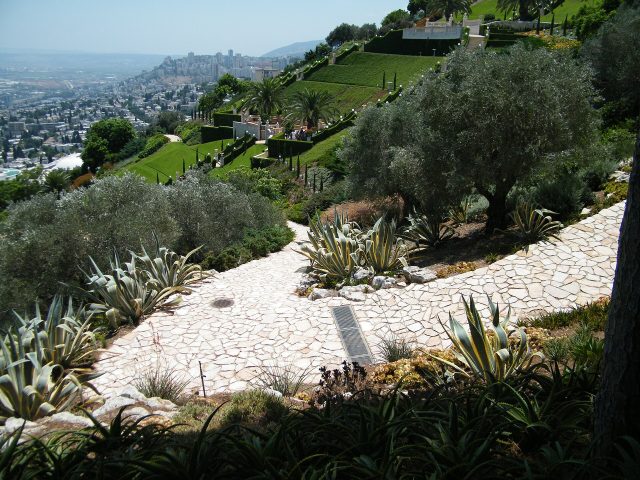
Haifa Zoo is one of those rare places where the experience lingers long after you’ve left. Perched on the slopes of Mount Carmel, it offers sweeping views of the city and the Mediterranean Sea, a quiet backdrop to the gentle rhythm of life within its boundaries. Unlike sprawling zoos that overwhelm with their size, this one feels intimate, almost like a small nature reserve where animals live in spaces designed to mimic their natural habitats. There are no crowds here, no hurried footsteps—just the unhurried pace of a place where time seems to slow down.
The zoo’s origins trace back to the mid-20th century, when city officials envisioned a space where locals could connect with wildlife. Over the decades, it has grown and evolved, yet it has never lost its original purpose: to educate rather than merely entertain. There are no flashy attractions or carnival-like distractions, just a thoughtful collection of animals, many of them endangered. A special focus on species native to the Middle East gives the zoo a unique role, bridging the gap between urban life and the region’s natural heritage.
The design of the zoo is understated, blending seamlessly with the surrounding landscape. Enclosures are built to prioritize the well-being of the animals, with natural barriers like slopes, hedges, and water features replacing towering fences and concrete walls. Even the buildings—cafés, offices, and visitor centers—are simple and functional, never overshadowing the main attraction. Every detail, from the placement of benches to the soft lighting that doesn’t disturb the animals at night, reflects a commitment to harmony between humans and nature.
The animals here come from near and far. You might spot leopards native to Israel’s mountains, African lions, or Asian elephants, alongside rare birds that nest in the cliffs of Carmel. The zoo plays an active role in conservation, participating in breeding programs for endangered species. For some animals, this isn’t just a home—it’s a lifeline. Visitors often witness the care given to newborns or the preparations for animals being reintroduced to the wild, moments that make the zoo’s mission feel tangible.
Beyond observation, the zoo is a place of learning. Guided tours, lectures, and workshops delve into animal biology, ecosystems, and conservation challenges. Children’s programs are especially popular, offering hands-on experiences like feeding sessions or close encounters with gentle animals. For many Haifa schoolchildren, the zoo is their first introduction to the importance of protecting the natural world, a lesson that stays with them long after their visit.
Despite its modest size, the zoo manages to feel like a retreat. There are no overwhelming crowds, even on weekends, and it’s easy to find a quiet spot to sit, listen to birdsong, or watch elephants move lazily through their enclosure. On hot days, the shade of trees and the cool mist of fountains make the visit refreshing. As evening falls, the zoo takes on a different mood—soft lights, rustling leaves, and the sounds of nocturnal animals create an atmosphere that feels worlds away from the city’s hustle.
For many Haifa residents, the zoo is woven into the fabric of daily life. Families come here for weekend outings, children celebrate birthdays among the animals, and school groups arrive for field trips. It’s a place where young parents push strollers alongside elderly visitors who have been coming for decades. The zoo brings people together, a reminder that nature isn’t just scenery but something worth preserving.
Volunteers play a vital role in the zoo’s life. They assist with animal care, lead tours, and organize events, often dedicating years to the place. Their passion is infectious, turning a simple visit into something more meaningful. Whether it’s explaining the habits of a rare bird or sharing stories about the animals, their enthusiasm makes the zoo feel like a community effort rather than just an institution.
Haifa Zoo doesn’t aim to impress with grandeur or spectacle. Instead, it offers something rarer: a sense of peace, a chance to reflect, and a connection to the natural world. In a time when so much feels hurried and artificial, this place stands as a quiet reminder of what matters. For those seeking more than just entertainment—a moment of stillness, a lesson in conservation, or simply a breath of fresh air—it’s a small but profound discovery.