The German Colony in Haifa is one of those rare places where the past doesn’t just linger in old photographs or museum displays—it breathes alongside the present. Founded in the mid-19th century by members of the Templer sect, a Protestant group from Germany, it was Haifa’s first European settlement and quickly became a hub of cultural and economic activity. The Templers brought more than just their faith; they introduced new agricultural techniques, modern infrastructure, and a distinctly European way of life. Their legacy is still visible today, even though the community itself left the region in the mid-20th century.
Walking through the German Colony, the architecture is the first thing that strikes you. The buildings reflect the Templers’ practical yet refined tastes: high ceilings, large windows, stone facades with wooden shutters, and tiled roofs. Many structures have retained their original character, surviving wars, renovations, and the passage of time. Ben Gurion Street, once the colony’s main thoroughfare, remains its heart. Lined with houses adorned with intricate balconies and decorative details, it feels like a slice of 19th-century Germany transplanted to the Mediterranean.
The Templers weren’t just settlers; they were visionaries who sought to build an ideal society rooted in Christian values and hard work. They established farms, mills, and workshops, and even founded Haifa’s first modern hospital. But their time in the region wasn’t without conflict. During World War I, many were deported by the British as enemy nationals. Later, some supported Nazi Germany during World War II, which led to their expulsion from Palestine after the war. Today, their story is preserved in plaques and archival photos, a quiet reminder of a complicated past.
Nowadays, the German Colony is a lively neighborhood where history and contemporary life intertwine. It’s not overrun by tourists, but it’s never empty—locals and visitors stroll the streets, stopping at cafes and restaurants that spill onto the sidewalks. The atmosphere is relaxed, especially in the evenings when the streetlights glow and the cobblestones reflect the warm light of shop windows. Ben Gurion Street becomes a pedestrian zone, perfect for lingering over coffee or a meal while watching the neighborhood come alive.
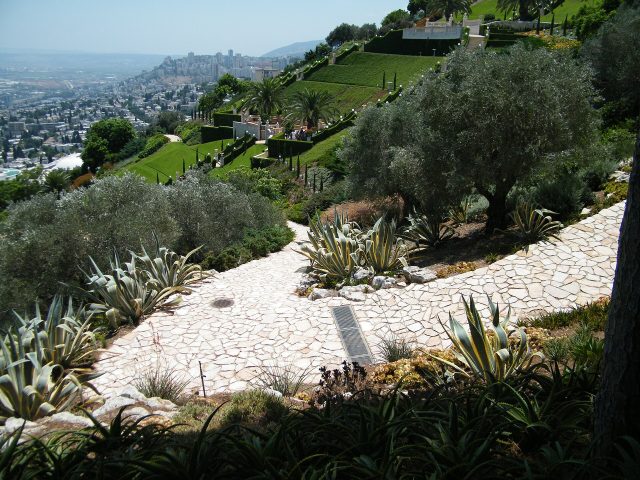
One of the colony’s most iconic landmarks is the Schmidt family house, built in the late 1800s. Like many buildings here, it has been restored, serving as a tangible link to the era when the Templers first put down roots. Nearby, a small park offers a quiet spot to sit under the trees and take in the view of Haifa Bay. The panorama is particularly stunning at sunset, when the sky turns shades of gold and pink, and the city below begins to twinkle.
The German Colony isn’t just about architecture or history—it’s a place where you can feel the rhythm of Haifa itself. There’s no big-city hustle here, but there’s a gentle energy. Mornings start with the scent of fresh bread from bakeries and the hum of cafes opening their doors. By afternoon, the streets fill with people working remotely, taking leisurely walks, or browsing small shops. Evenings bring music and conversation, as families, couples, and travelers gather in the open-air restaurants.
What makes the German Colony special is how it bridges different worlds. You’ll find Israeli cafes alongside European-style bistros, and shops selling everything from local crafts to imported goods. It’s a neighborhood where East meets West, where the past isn’t just preserved but woven into daily life. The history here isn’t confined to museums; it’s in the stones underfoot, the facades of the buildings, and the stories whispered by the wind.
A walk through the German Colony is a chance to connect with Haifa’s layered history. There are no grand monuments here, just an atmosphere that invites you to slow down and look closer. You could spend hours wandering the streets, peering into small galleries, or browsing boutique shops. Or you could simply sit on a bench and watch the neighborhood unfold around you. Either way, the German Colony leaves you with a sense of quiet contentment—a reminder of a time when life moved at a gentler pace, and people knew how to savor the small moments.