Haifa Museum of Art sits in the heart of a city where layers of history and modernity blend seamlessly, and its own building is a quiet testament to that past. Originally constructed in the early 1900s as a girls' school, the structure still carries the marks of its time—tall ceilings, generous windows, and spacious rooms where light shifts throughout the day, softening the edges of the art on display. Over the decades, the building has been adapted and restored, but it retains a sense of openness, a quality that makes it feel less like a traditional museum and more like a living space where creativity can breathe.
The museum opened its doors in 1951, and since then, its collection has grown alongside the city itself. Today, it houses works by both Israeli and international artists, spanning movements from early modernism to contemporary practice. Visitors can encounter pieces by familiar names like Marc Chagall and Reuven Rubin, but the collection extends far beyond painting. Sculpture, photography, video, and installation works invite different ways of engaging with art, often challenging the boundary between the artwork and the world outside.
A significant portion of the museum’s holdings is dedicated to Israeli art of the 20th century, and this section feels less like a static display and more like a visual narrative of the country’s evolution. The works reflect shifting moods and concerns—from idealized landscapes and communal life in the early kibbutzim to more complex, sometimes unsettling explorations of identity, conflict, and social change. The museum doesn’t impose a single interpretation; instead, it allows the art to speak for itself, letting visitors draw their own connections between different eras and perspectives.
Temporary exhibitions are a major part of the museum’s identity, often drawing attention well beyond Haifa. These shows range from solo presentations by emerging artists to large-scale retrospectives of established figures, as well as thematic projects that tackle pressing issues like environmentalism or digital culture. The museum’s team frequently reimagines the exhibition spaces for each show, sometimes transforming them so completely that returning visitors might feel as though they’ve stepped into an entirely new place. The effect can be disorienting, but in a way that makes the art feel more immediate, more alive.
Beyond exhibitions, the museum plays an active role in the city’s cultural life. Lectures, workshops, film screenings, and concerts create opportunities for dialogue, while educational programs for children and teenagers treat art not just as something to study, but as a tool for thinking differently. In recent years, the museum has also expanded its efforts to be more inclusive, ensuring that people with disabilities can engage with the collections in meaningful ways. These initiatives reflect a broader philosophy: art isn’t meant to be passive or exclusive, but something that can be experienced, questioned, and even shaped by the people who encounter it.
What makes the Haifa Museum of Art distinct isn’t just its collection, but the way it encourages visitors to slow down. There’s no rush here, no prescribed route or must-see highlights. Some people spend hours moving between galleries, noticing how a painting’s colors shift in different light or how a sculpture’s form changes depending on where you stand. Others might linger in the café, discussing what they’ve seen over coffee while looking out at the city through the large windows. The museum doesn’t demand attention—it simply offers a space where art can unfold at its own pace.
The surrounding neighborhood is worth exploring in its own right. The area blends old and new, with historic buildings rubbing shoulders against contemporary structures, and narrow streets leading toward the waterfront or nearby parks. Haifa itself is a city of contrasts, where different cultures, religions, and architectural styles coexist in a relatively small space. In that sense, the museum mirrors the city—it’s a place where diverse voices and ideas come together, and where visitors can find something that resonates with them, whether it’s a familiar style or an entirely new perspective.
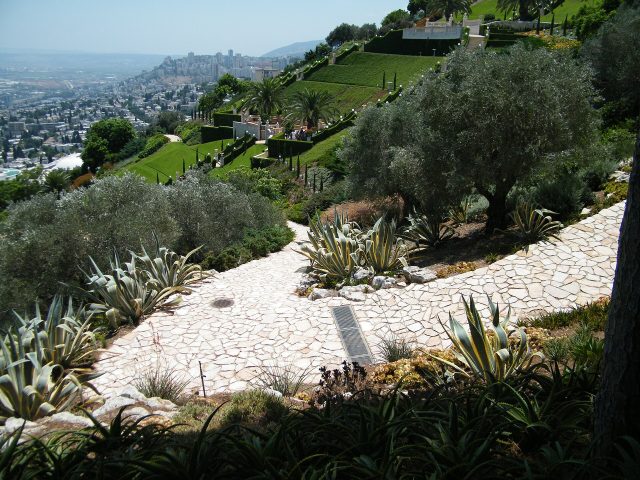
A visit to the museum can easily become part of a larger day in Haifa. After wandering through the galleries, you might head down to the sea, stroll through the German Colony, or take the cable car up Mount Carmel for a view of the bay. Or you could start the day with a walk through the Bahá’í Gardens, then make your way to the museum to continue reflecting on how art, nature, and history intersect in this corner of the world. There’s no strict itinerary—just the sense that the city and its museum are part of the same conversation.
The Haifa Museum of Art isn’t trying to be the most famous or the most visited museum in Israel, and that’s part of its charm. There are no crowds jostling for a glimpse of a famous painting, no pressure to see everything in one go. Instead, it feels like a place where art exists in dialogue with everyday life, where you can wander, pause, or simply sit in quiet observation. Time moves differently here, and perhaps that’s why a visit often leaves you with more than just memories—it leaves you wanting to return.