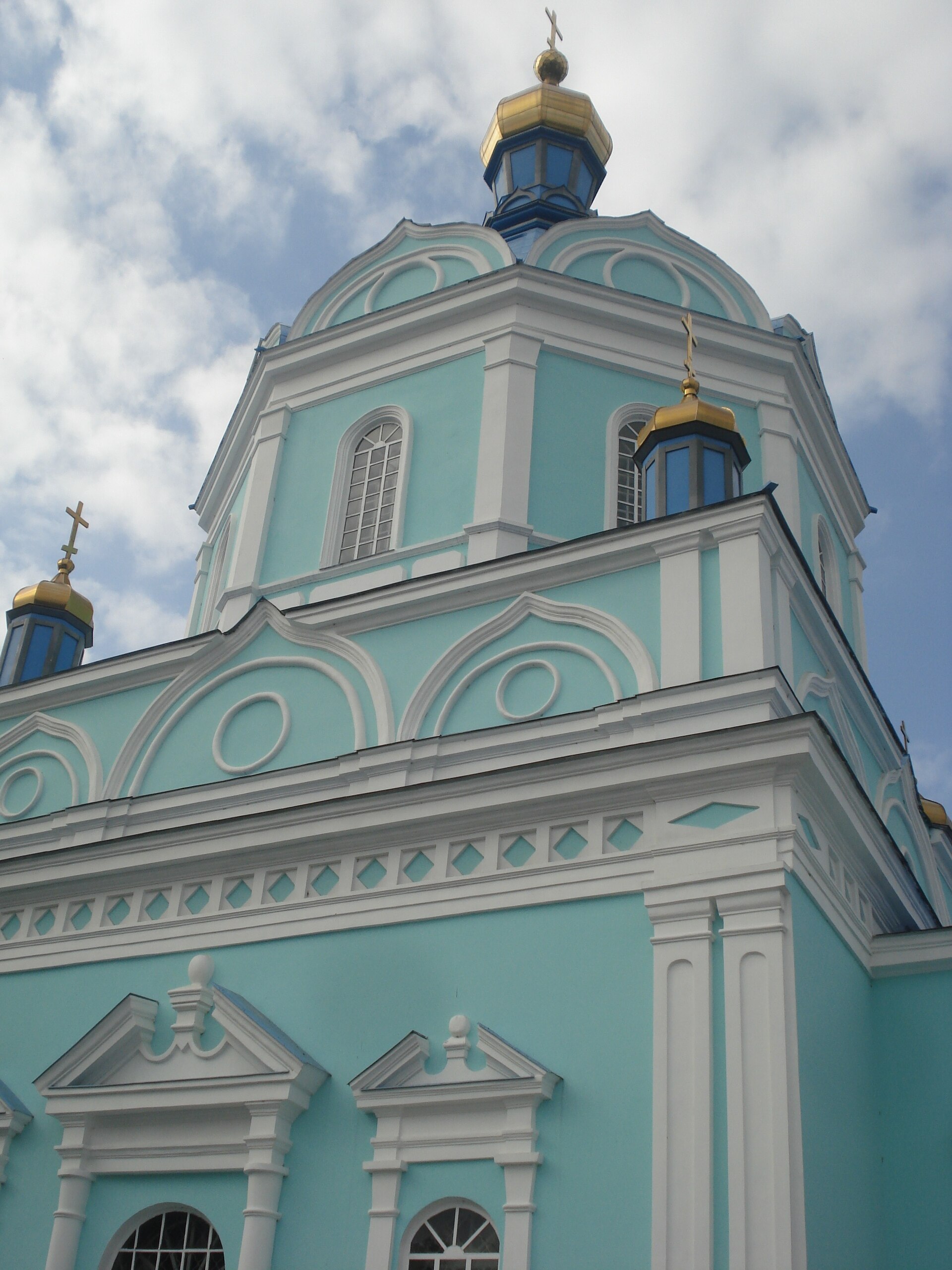
The Resurrection Cathedral in Semey is one of those rare places that seem untouched by time, preserving the quiet dignity of Orthodox tradition and the weight of history in its walls. Built in the late 19th century, it stands not just as a church but as a symbol of the city’s spiritual life, having endured wars, revolutions, and the shifting tides of power. Perched on the banks of the Irtysh River, its gilded domes catch the light from afar, visible to travelers approaching Semey by road or water. The architecture is understated yet striking—whitewashed walls, clean lines, and the classic five-domed silhouette of Russian Orthodox design, a style that speaks of endurance rather than ostentation.
Semey itself has always been a place of convergence. Founded as a fortress on the eastern frontier of the Russian Empire, it grew into a bustling hub where merchants, officials, and explorers crossed paths. Orthodoxy took root here early, serving as a unifying force for settlers and locals alike. The Resurrection Cathedral became a spiritual anchor not just for the city but for the scattered villages across the vast steppe, where small communities gathered around their faith despite the distances between them.
Construction of the cathedral began in 1856 and stretched over nearly two decades, delayed by both logistical challenges and financial constraints. Funds were raised through collective effort, with contributions from wealthy merchants and ordinary parishioners alike. Bricks were hauled from distant kilns, while local materials were used for finishing touches. The interior, however, received special attention. Master craftsmen from central Russia were brought in to create the iconostasis, its intricate carvings and paintings a testament to the skill of 19th-century artisans. Some of the frescoes and murals survive to this day, their faded beauty hinting at the craftsmanship that once filled the space, though much has been lost to time and neglect.
The Soviet era brought hardship to the cathedral, as it did to countless other religious sites. The building was repurposed—first as a warehouse, later as a club, and even a gymnasium. The interior suffered the most: icons were removed, frescoes whitewashed, and the sacred space stripped of its original purpose. It wasn’t until Kazakhstan gained independence in the 1990s that restoration efforts began in earnest. The process was slow and painstaking, with artisans relying on old photographs and archival records to piece together the cathedral’s former glory. Some elements could never be fully recovered, but the spirit of the place endured.
Today, the Resurrection Cathedral is once again a place of worship and reflection. Services are held regularly, and on major Orthodox holidays, the church fills with the voices of the faithful. Inside, the atmosphere is one of quiet reverence—soft light filters through stained glass, the scent of incense lingers in the air, and the flicker of candles casts a warm glow on the ancient icons. Many of these images date back to the 19th century, their faces worn but still watchful, as if bearing silent witness to the generations who have prayed before them. Among them is a revered icon of the Mother of God, believed to hold miraculous properties, drawing pilgrims from across the region.
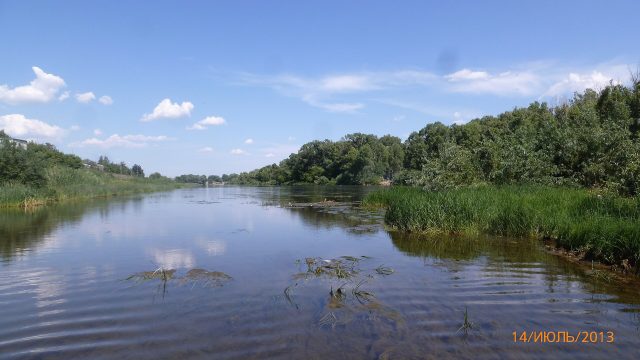
From the outside, the cathedral appears modest, its white walls slightly weathered but no less striking for it. A small garden surrounds the building, where apple trees and lilacs bloom in summer, and snow blankets the ground in winter, muffling the sounds of the city. The view from here stretches across the Irtysh, a wide, slow-moving river that has been the lifeblood of these lands for centuries. On clear days, the opposite bank rises in gentle hills, and boats drift lazily along the water—a scene that has changed little since the cathedral was first built.
More than just a landmark, the Resurrection Cathedral is a living piece of Semey’s history. It has survived wars, ideological upheavals, and the passage of time, yet it remains a place where people seek solace and connection. For locals, it is a cornerstone of identity, a reminder of the traditions that have shaped their community. For visitors, it offers a chance to step back into the past, to feel the weight of history in the quiet hush of its walls.
What makes the cathedral worth visiting isn’t just its architecture or its historical significance, but the sense of stillness it offers. In a world that moves too fast, such places are increasingly rare. There are no grand demands here, no need for spectacle—just an invitation to pause, to listen to the rustle of leaves in the garden, to watch the sunlight dance on the domes, and to reflect on the countless lives that have passed through these doors. The cathedral holds their stories in silence, just as it holds its own.