Abai Park in Semey is one of those places where the past and present blend so seamlessly that you barely notice the transition. Stretching along the banks of the Irtysh River in the heart of the city, it has become more than just a green space for locals—it feels like the very pulse of the town. On weekends, the park comes alive with laughter, music, and the occasional strum of a dombra, while families stroll, friends gather, and elderly residents sit on benches, watching the river flow. Yet step away from the main paths, and the city’s noise fades, replaced by the quiet rustle of old trees.
The park is named after Abai Kunanbayev, Kazakhstan’s revered poet, philosopher, and educator, who was born in the nearby Chingiz Mountains. For Semey, Abai is more than a historical figure—he is a symbol of the city’s identity. It was here that he spent much of his life, wrote his most famous works, and endured exile in his youth for his progressive ideas. A bronze statue of the poet sits in the center of the park, lost in thought as if pondering his verses. Fresh flowers are often left at its base, a quiet testament to how deeply he is still remembered.
The park’s design is unassuming, and that’s part of its charm. There are no grand fountains or elaborate sculptures, just wide, tree-lined avenues, shaded groves, and small bridges crossing artificial ponds. Many of its features date back to the Soviet era, when it was one of the city’s main recreational spots. The old stage where local performers once entertained still stands, though it’s used less frequently now. Meanwhile, the playgrounds and rides have been updated over the years, offering modern swings and carousels for children.
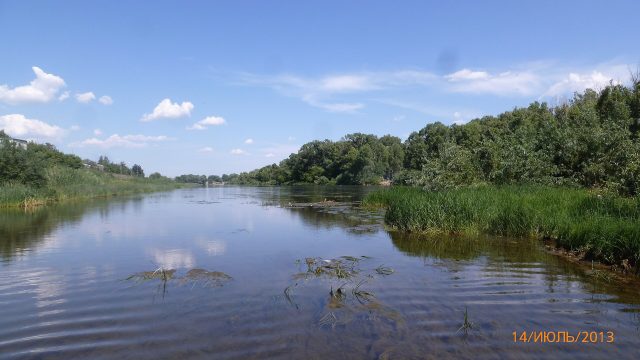
The Irtysh River embankment is one of the park’s highlights. The river here is broad and calm, with a gentle slope that makes it easy to sit by the water or enjoy a picnic. A wide pedestrian path runs along the shore, perfect for a leisurely walk while watching barges drift by or simply taking in the view of the opposite bank. In winter, the river freezes over, turning the embankment into a spot for ice skating or sledding. Locals recall how ice festivals were once held here, though such traditions have become rarer over time.
Abai Park also serves as an open-air museum of sorts. Beyond the statue of Abai, there are memorial plaques and sculptures honoring other notable figures tied to Semey. Near the entrance stands a bust of Mukhtar Auezov, the writer and close friend of Abai, who was also born in this region. Deeper in the park, a small obelisk commemorates the victims of political repression, a reminder of the city’s complex history.
Summer is when the park is at its most vibrant. Linden and poplar trees bloom, filling the air with the scent of grass, while evenings bring a light mist over the river. Small concerts and festivals take place here, though nothing on the scale of those in Almaty or Astana. Local musicians play the dombra, dance troupes perform traditional steps, and children draw on the pavement in chalk competitions. Autumn paints the park in gold and red, slowing time to a quiet, reflective pace.
Winter transforms the park entirely. Trees glisten with frost, and snow blankets the paths, creating a hushed, almost magical atmosphere. It’s a quiet season here, with fewer visitors, but that only adds to its appeal. Walking along the snow-covered avenues, listening to the crunch of footsteps, you can feel a rare sense of solitude. Occasionally, the park hosts New Year’s celebrations with a decorated tree and visits from Ded Moroz, but for most locals, winter is a time for peaceful walks and quiet contemplation.
Abai Park is more than just a green space—it’s woven into the cultural fabric of Semey. It bridges the gap between history and everyday life, between memory and the present. To outsiders, it might seem like an ordinary city park, but for those who live here, it holds a deeper meaning. It’s a place of reunions and farewells, childhood memories and first dates, festivals and ordinary strolls. Some come for the statue of Abai, others for the quiet and fresh air, and some simply because it’s where everyone goes on weekends. In that quiet universality lies its true value.