Thies station is one of those places that might seem unremarkable at first glance, yet it holds the quiet pulse of the city. Nestled in the heart of Thies, Senegal’s second-largest urban center, it serves as more than just a transit point—it’s a living symbol of connection, where paths from Dakar, Saint-Louis, and beyond converge. Over the decades, the station has witnessed the country’s transformations, standing as a steady presence amid change.
Built during the colonial era, when railways were the lifeblood of French West Africa, the station’s architecture reflects the practical elegance of its time. High ceilings allow the air to circulate, large windows flood the interior with light, and sturdy columns support the structure without unnecessary ornamentation. The building has aged gracefully, its facade largely unchanged since its construction, a tangible link to an era when rail travel shaped the region’s economy and culture.
Thies has long been a railway hub in Senegal. In the early 20th century, the Dakar-Niger line passed through here, linking the capital to the country’s interior and neighboring colonies. This route wasn’t just about moving goods—it carried people, ideas, and traditions, weaving together the diverse threads of Senegalese society. The station was a vital stop along the way, its importance enduring even as roads became the dominant mode of transport. Today, trains still run, though less frequently, maintaining a rhythm that feels almost nostalgic in a world of speed and efficiency.
Inside, the station hums with activity. Passengers wait on benches, vendors sell roasted peanuts and fresh mangoes, and children dart between the crowds. The occasional whistle of an approaching train cuts through the chatter, signaling the start of another journey. For many in Thies, the station is more than a place to catch a ride—it’s where hellos and goodbyes happen, where stories begin and end. The air is filled with a mix of languages—Wolof, French, Pulaar—each conversation adding to the station’s lively, ever-shifting atmosphere.
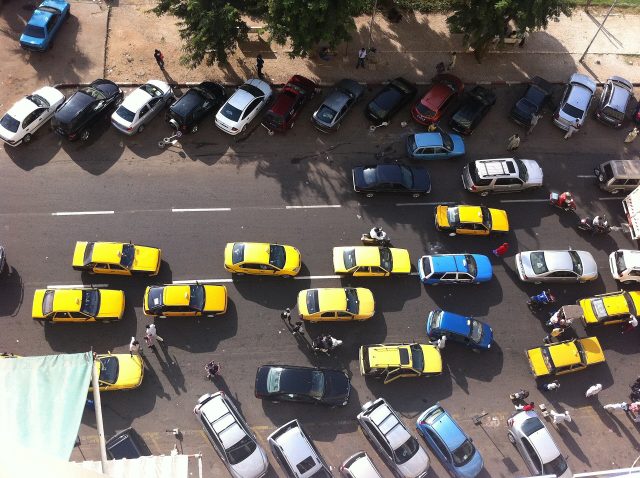
Beyond its walls, the station spills into the life of the city. Nearby markets overflow with colorful fabrics, spices, and handmade crafts, while small eateries serve up dishes like thieboudienne, yassa, and thiébou yapp, their aromas mingling with the scent of strong Senegalese coffee. The streets buzz with motorbikes, taxis, and pedestrians, each absorbed in their own rhythm. Here, the urgency of urban life meets the unhurried pace of the provinces, creating a space that feels both familiar and distinctly Senegalese.
Though Thies station isn’t a tourist attraction in the traditional sense, it offers something rarer: an unfiltered glimpse into daily life. There are no grand museums or luxury hotels nearby, just the raw, unpolished energy of a place that exists for its people. Travelers who choose to pass through here—whether heading to Dakar or Saint-Louis—get to experience the country as it is, not as it’s packaged for visitors. A train ride becomes more than transportation; it’s a slow unfolding of landscapes, from savannas to peanut fields, and a chance to watch life unfold outside the window.
Rail travel in Senegal has changed over the years, with fewer trains running than in the past. Yet the ones that do still carry a sense of adventure. A journey from Thies to Dakar or Saint-Louis isn’t just about reaching a destination—it’s about the in-between. The hours spent watching villages drift by, farmers tending their crops, or herders guiding livestock across the tracks. There’s a quiet beauty in the way the land stretches out, unhurried and vast, a reminder of how much of Senegal exists beyond its cities.
In many ways, Thies station is where past and present intersect. It stands as a reminder of an era when railways were the backbone of the country’s growth, yet it remains a vital part of modern life. For visitors, it’s often the first introduction to the city—a place where the stories of Thies begin. For locals, it’s a familiar landmark, a backdrop to countless daily routines. Whether you’re passing through or pausing to watch the comings and goings, the station offers a slice of Senegal that feels authentic, lived-in, and quietly enduring.