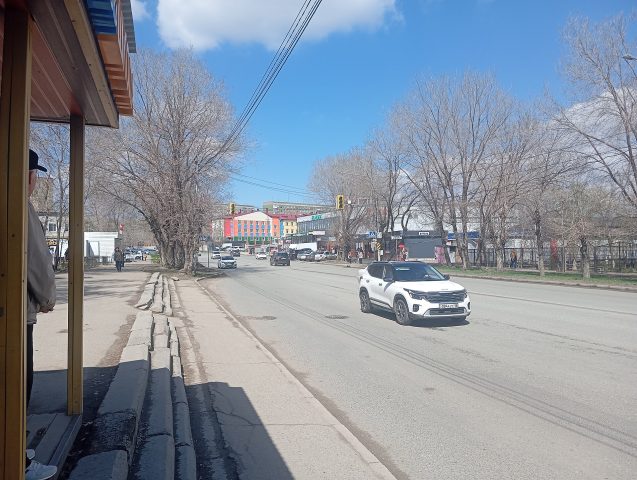
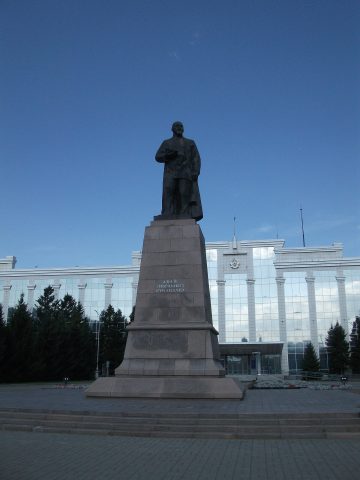
The Military History Museum of the Armed Forces of the Republic of Kazakhstan in Ust-Kamenogorsk is more than just a collection of artifacts—it’s a place where the country’s past comes alive through the lens of conflict, service, and the people who shaped it. The museum stands in a city that has long been a crossroads of history, from its role in the expansion into Siberia to its industrial boom during the Soviet era. Ust-Kamenogorsk, where the Irtysh and Ulba rivers meet, has always been a frontier town, and its military legacy runs deep, woven into the fabric of the region.
The exhibits span centuries, beginning with the ancient nomadic warriors whose traditions laid the foundation for the martial culture of the steppe. Here, you can see reconstructions of Saka weaponry, everyday tools, and armor that tell the story of how these lands were defended against invaders. The museum doesn’t just present facts—it shows how warfare shaped identity, from the resistance movements of the 18th century to the Kazakh soldiers who fought in World War I under the Russian Empire. These displays reveal how military service became a way for people to define themselves, even in times of foreign rule.
One of the most moving sections is dedicated to World War II. The museum holds personal belongings of soldiers—letters from the front, photographs, and medals, many of which belonged to men and women from East Kazakhstan. There are documents about the formation of Kazakh divisions, accounts of local heroes who fought across different fronts, and the quiet, heartbreaking stories of those who never returned. The exhibits don’t just recount battles; they try to convey the human experience of war—the fear, the hope, the grief of loss. It’s impossible to leave this hall without feeling the weight of those years.
The postwar era is presented through the development of the Soviet military and Kazakhstan’s role in it. The museum covers the establishment of military academies in the republic, the training of officers, and how Kazakhstan became a key location for strategic installations. A particularly complex topic is the nuclear testing at the Semipalatinsk site, a subject that still sparks debate. The museum doesn’t shy away from these difficult questions, showing how military history intersected with politics and society, leaving lasting scars on the land and its people.
After Kazakhstan gained independence, the country began building its own armed forces, and this transition is reflected in the exhibits. Modern military equipment, uniforms, and gear from peacekeeping missions and international exercises are on display. There’s a focus on the creation of mobile units and the growth of the defense industry, illustrating how priorities shifted from border protection to global engagement under the UN. The museum doesn’t just chronicle events—it explains why the military became a cornerstone of national identity and statehood.
The building itself is worth noting. Located in one of Ust-Kamenogorsk’s older districts, it retains the unassuming character of a Soviet-era provincial city. The architecture is straightforward—monumental without being grandiose, a typical public structure from the mid-20th century. Inside, the space is designed to guide visitors through history chronologically, with a focus on visual storytelling rather than dense text. The exhibits feel immersive, using authentic artifacts and interactive elements to draw people in.
The museum isn’t just a static display. It hosts veteran meetups, lectures on military history, and temporary exhibits tied to significant anniversaries. For students, there are guided tours that connect the past to the present, helping them understand why these stories matter. The space feels alive, not just a repository of relics but a place where memory is kept through conversation and reflection.
A visit here leaves a mixed impression. There’s pride in the courage of those who came before, in how the country built a capable military from scratch. But there’s also a sobering reminder of the cost of peace and sovereignty. The museum doesn’t glorify war; it honors those who endured it. It’s not flashy or overwhelming, and that’s its strength—it speaks plainly, without embellishment, letting the stories and artifacts carry their own weight.
Ust-Kamenogorsk is a city where history lingers in the streets, and this museum is one of the places where it feels most tangible. It’s not just about preserving the past; it’s about understanding how the lives of ordinary people intersected with the fate of a nation. You could spend an hour here or half a day, poring over documents, studying photographs, or listening to guides. And when you leave, you might find yourself seeing history not as something distant, but as something that still shapes the world today.