Republic Square in Ust-Kamenogorsk is one of those places where the city seems to pause for a moment, revealing itself not just as an industrial hub but as a space where history and everyday life quietly intersect. There are no crowds of tourists here, no grand performances for visitors—just a steady, unhurried rhythm that feels entirely its own. The square isn’t so much a showpiece as it is a working part of the city, a place where people gather for meetings, strolls, festivals, and even protests. It’s the kind of spot that draws locals year-round, whether for a quick coffee or an evening walk, a space that absorbs the city’s moods without ever trying too hard.
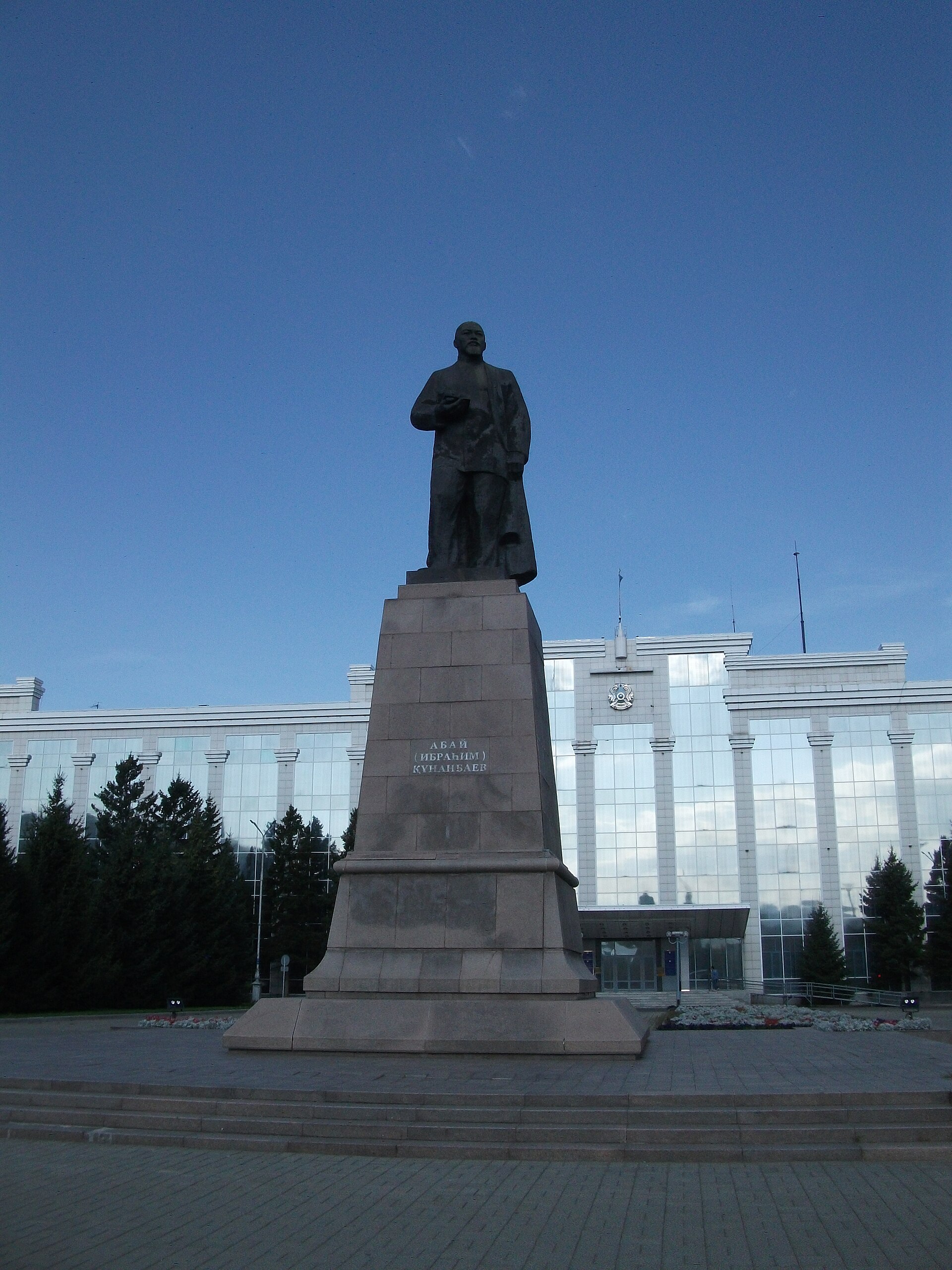
The architecture here isn’t imposing, and that’s part of its charm. The square took shape gradually, layering influences from different eras. At its center stands the regional administration building—a stern, symmetrical structure with columns and tall windows, a clear nod to the Soviet past. Nearby, a Lenin statue remains, one of the few still standing in Kazakhstan. It’s not a political statement so much as a familiar landmark, something people walk past without much thought. The surrounding shops, cafes, and offices blend into the background, their facades unobtrusive. What matters here isn’t the individual buildings but the open space itself, the way it breathes between them.
The square’s history is tied to Ust-Kamenogorsk’s own evolution. The city began as an 18th-century fortress on the Irtysh River, a small outpost that grew slowly over time. Its real transformation came in the mid-20th century, when industrial development turned it into a major center. Republic Square emerged during this period, a symbol of the new, modern city—one where life wasn’t just about factories but about public spaces where people could gather. Back then, it was called Lenin Square, and its current layout took shape under Soviet rule. After Kazakhstan gained independence, the name changed, though many locals still refer to it by its old one.
Today, the square feels like a crossroads of time and temperament. Mornings bring a steady stream of commuters, students debating lectures, and retirees pushing strollers. By afternoon, the pace picks up—cafes open, music drifts from speakers, and occasional fairs or exhibitions add color. Evenings are quieter but never empty; the glow of streetlights on the trees and benches creates a soft, inviting atmosphere. In winter, the square transforms into an ice rink, while summer brings open-air concerts and picnics. It’s a place that adapts to the seasons without losing its character.
What gives the square its particular mood are the small details that might go unnoticed at first. The old poplars, planted decades ago, cast long shadows in the heat and turn into frosted silhouettes in winter. The granite tiles underfoot have been worn smooth by countless footsteps, bearing silent witness to protests, celebrations, and ordinary days. There are no grand fountains or towering monuments here, just a sense of authenticity. The square doesn’t try to impress; it simply exists, as it always has.
For Ust-Kamenogorsk’s residents, this isn’t just a location on a map—it’s a part of their lives. It’s where first dates happen, where families bring their children, where holidays are celebrated. On Victory Day, flowers are laid at the eternal flame. During Nauryz, the square fills with the sound of dombra music and the scent of fried baursaks. On regular days, you might see teenagers practicing skateboard tricks or grandmothers selling homemade pickles. Republic Square isn’t a museum; it’s a living space that grows and changes alongside the city.
In recent years, more greenery, benches, and pedestrian zones have been added, making the square even more welcoming. Yet it hasn’t lost its unpretentiousness. There are no strict rules here—just an unspoken understanding that this is a place for everyone. Some come for solitude, others for conversation, and some just to feel the city’s pulse. It’s the kind of spot where you can sit on a bench, listen to the hum of voices around you, and watch how the light shifts across the buildings.
Ust-Kamenogorsk rarely makes it onto tourist itineraries, and that’s part of its appeal. Republic Square isn’t a place you visit with a guide or photograph for social media. It’s for those who want to understand a city beyond the brochures—by lingering on a bench, eavesdropping on conversations, noticing how the evening light catches the facades. There’s nothing extraordinary about it, and that’s precisely what makes it special. It’s ordinary life elevated, the moment you start paying attention.