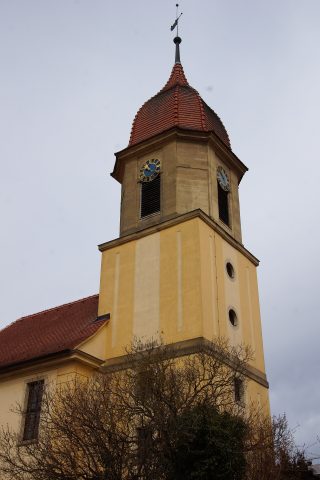
The water tower in Brugg is one of those places that doesn’t demand attention at first glance. Tucked away on the edge of the old town, it blends into the surroundings without fanfare, yet once you notice it, you begin to understand why it has quietly endured as part of the city’s fabric. Unlike the grand medieval towers or sleek modern structures that dominate Switzerland’s tourist routes, this modest brick building tells a different kind of story—one rooted in the practical needs of everyday life rather than spectacle.
Built in the late 19th century, the tower arrived at a time when Brugg was expanding, and reliable water supply became a pressing concern. The engineers of the era approached the problem with straightforward efficiency. The tower wasn’t just a functional solution; it was a small but tangible sign of progress reaching even the quieter corners of Switzerland. For decades, it served its purpose without fuss, a silent workhorse in a town that was slowly modernizing. Today, long after its original function became obsolete, it remains as a quiet monument to the way cities once solved their most basic challenges.
Architecturally, the tower is unassuming, reflecting the utilitarian style of industrial buildings from its time. Its brick walls, neat masonry, and small windows give it the appearance of a warehouse or utility shed rather than a landmark. There’s no ornate detailing or dramatic flourishes—just solid, purposeful construction. That simplicity is part of its charm. It doesn’t try to impress; it simply stands as it always has, a testament to the unglamorous but essential work of keeping a town running. In an age where infrastructure is often hidden underground or behind sleek facades, the tower’s honesty feels almost refreshing.
Brugg itself isn’t a place that draws crowds. It’s not Lucerne or Zurich, with their postcard-perfect views and well-trodden tourist paths. Instead, it’s a small Swiss town where life moves at an unhurried pace, and the old quarters along the Aare River retain a sense of quiet authenticity. The water tower fits seamlessly into this atmosphere. It doesn’t dominate the skyline or demand admiration, but it doesn’t fade into the background either. Walk through Brugg’s streets, and you’ll notice it almost by accident, another piece of the town’s understated character.
What makes the tower interesting isn’t just its function, but what it represents. The late 19th century was a period of transformation for Switzerland, as industrialization began to reshape even smaller towns like Brugg. The arrival of the water tower signaled more than just improved sanitation—it marked a shift toward modernity, however modest. For the people of Brugg, it meant access to conveniences that had once been out of reach. Today, the tower no longer pumps water, but its preservation speaks to the town’s respect for its own history, even the parts that aren’t tied to grand events or famous figures.
There are no guided tours or informational plaques here, and that’s part of the appeal. The tower invites curiosity without insisting on it. You could walk past without a second thought, or you could pause and consider the generations of people who relied on the water it once supplied. In that moment, it becomes more than just a relic—it’s a bridge between the past and present, a reminder that even the most ordinary things carry stories. For those who prefer exploring without the distraction of crowds, the tower offers a chance to engage with history on a personal, unscripted level.
Brugg is surrounded by the kind of landscape Switzerland is known for—rolling hills, the winding Aare River, and green valleys that stretch into the distance. The tower doesn’t compete with this scenery; it complements it. There’s something fitting about its presence here, as if it grew out of the land itself rather than being imposed upon it. It doesn’t need to be photogenic or dramatic. Its value lies in its quiet persistence, much like the cobblestone streets, the old houses, and the sleepy squares that define Brugg’s character.
The tower isn’t a museum, nor is it a bustling cultural hub. It hasn’t been repurposed into a trendy café or a boutique hotel, and that’s fine. It doesn’t need to be anything other than what it is—a piece of the town’s history that hasn’t been polished for tourists. Occasionally, you might see a visitor who’s made the trip specifically to see it, drawn by the idea of discovering something unexpected in a country known for its alpine grandeur. In a place where castles, lakes, and mountain peaks dominate the imagination, the water tower feels like a small act of rebellion. It doesn’t claim to be the most important sight in Brugg, and that’s precisely why it might resonate with those who seek something beyond the usual itineraries.
In the end, the water tower in Brugg isn’t about grand narratives or architectural marvels. It’s about the quiet, cumulative weight of history—the kind that isn’t always celebrated in guidebooks but is felt in the rhythm of a place. It reminds us that progress isn’t just about monumental achievements; it’s also about the small, practical steps that make daily life better. For travelers who appreciate the unassuming, the tower offers a chance to connect with the spirit of Brugg, a town that doesn’t shout its stories but lets them unfold naturally, one brick at a time.