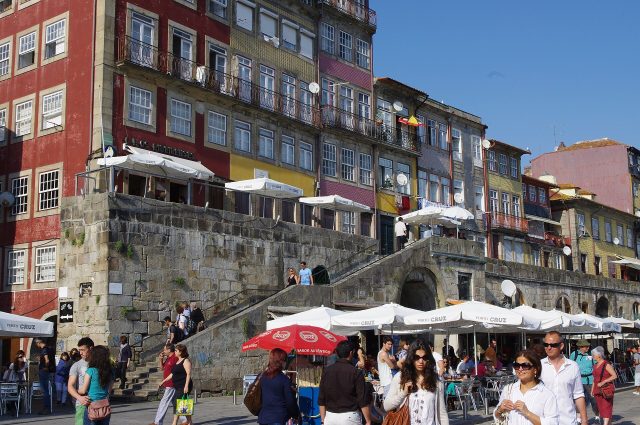
Across the Douro River from Porto, the town of Vila Nova de Gaia slopes gently toward the water, its sunlit hillsides lined with the low, whitewashed buildings of the port wine lodges. These aren’t just warehouses—they’re the living heart of a tradition that has shaped Portugal’s identity for centuries. The air here carries the scent of oak and aging wine, a quiet reminder of the generations who have tended these barrels, turning grapes from the terraced vineyards upriver into one of the world’s most celebrated fortified wines.
The story of port wine begins in the 17th century, when English merchants, desperate to preserve their cargo during the long Atlantic crossing, hit upon the idea of adding brandy to the wine. The result was a drink that not only survived the journey but improved with it, developing deeper, richer flavors. Portuguese winemakers quickly adopted the technique, and by the 18th century, port had become one of the country’s most important exports. Gaia, with its cool, humid cellars and proximity to the vineyards of the Douro Valley, became the natural home for production and aging. The river itself was the original highway, carrying barrels downstream on traditional *rabelos*—flat-bottomed boats that now rest along the waterfront as silent witnesses to the past.
The architecture of the lodges is unassuming, almost austere, but there’s a quiet elegance in their simplicity. Long, rectangular buildings with terracotta roofs stretch along the riverbank, their thick stone walls keeping the interior cool year-round. Inside, row upon row of oak barrels fill the dimly lit spaces, some dating back decades. A few lodges still preserve old granite presses and vast wooden vats, relics of a time when winemaking was as much about muscle as it was about skill. The atmosphere is one of hushed reverence—time moves differently here, marked not by clocks but by the slow, patient aging of wine.
Many of the lodges welcome visitors, offering more than just tastings. A tour might take you through rooms lined with yellowed ledgers and faded photographs, where the names of long-gone winemakers are still recorded in careful script. Others showcase modern innovations that ensure tradition isn’t lost to progress—temperature-controlled rooms, computerized monitoring systems, all working in service of the same craft. The best times to visit are spring, when the new vintage is being bottled, or autumn, when the air is thick with the sweetness of freshly harvested grapes. Even the light feels different in these seasons, softer, as if the river itself is holding its breath.
Port wine comes in many forms—ruby, tawny, white, vintage—each with its own character shaped by time and wood. A tasting in one of the lodges is a lesson in patience: young ports are bright and fruity, while those aged for decades develop layers of spice, dried fruit, and nuts. The best tastings happen in rooms with high ceilings and large windows, where the view of Porto’s skyline across the river becomes part of the experience. Some lodges offer workshops where you can learn to distinguish the subtle differences between a 10-year tawny and a 20-year, or how the type of oak used in the barrel influences the final flavor.
But Gaia is more than just its wine. The town has a rhythm of its own, separate from the tourist crowds. Locals gather in riverside cafés for *pastéis de nata* and strong coffee, while fishermen mend their nets along the docks. In summer, the waterfront buzzes with life—street musicians, families strolling along the promenade, the occasional boat tour gliding past the lodges. Winter brings a quieter mood, the town wrapped in mist, the lodges humming with the quiet work of blending and bottling. The river, always present, reflects the changing seasons, its currents carrying the same stories it has for centuries.
What makes the lodges of Vila Nova de Gaia special isn’t just the wine, but the sense of continuity. This is a place where the past isn’t preserved in glass cases but lived every day. The same families who built these cellars still tend them, the same methods passed down through generations. Even if you don’t drink, there’s something deeply human about standing in a room filled with barrels that have held wine for longer than most people live. It’s a reminder of how much time and care go into something we often take for granted—a glass of wine, a moment of pleasure, a tradition that connects us to those who came before.