Westport House isn’t just a grand estate on the edge of a quiet Irish town—it’s a place where the country’s history intertwines with the personal stories of those who called it home. Standing on the shores of Clew Bay, surrounded by rolling green hills and ancient trees, the house feels like a guardian of secrets, its walls holding memories of generations. Built in the eighteenth century, it was more than a residence; it was a statement of the Enlightenment ideals embraced by Ireland’s aristocracy, a cultural and architectural landmark that captured the spirit of its time.
The architecture of Westport House tells its own story. While the design is often attributed to James Wyatt, one of the era’s leading architects, no definitive proof of his involvement remains. The house is a fine example of Palladian style, which in eighteenth-century Ireland signified both status and refined taste. The façade, with its symmetrical proportions, columns, and large windows, exudes a quiet elegance, but step inside, and the house reveals layers of unexpected detail. The grand rooms are adorned with intricate plasterwork, family portraits, and antique furnishings that whisper of the lives lived within these walls—lives that spanned centuries and shaped the estate’s legacy.
The Browne family, who owned Westport House for generations, played a significant role in Ireland’s history. They were more than landowners; they were politicians, patrons of the arts, and even explorers. One of the most notable figures, John Browne, was a close friend of Wolfe Tone, a leader of the 1798 Irish Rebellion. Letters and documents from that turbulent era still reside in the house, a reminder of how deeply personal and political histories were intertwined. Yet the family’s story isn’t without its shadows. Like many Irish aristocrats, the Brownes faced the consequences of British rule, economic upheavals, and social unrest, leaving behind a legacy that is as complex as it is fascinating.
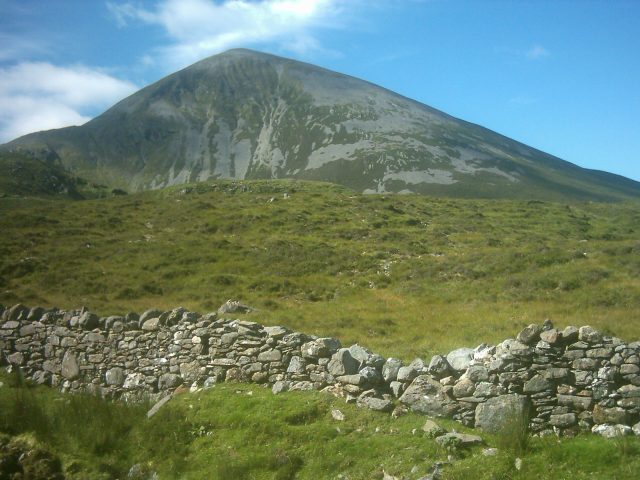
The estate’s grounds stretch out around the house, once part of vast family holdings but now a public space where visitors can wander along tree-lined paths, descend to the water’s edge, or simply sit on the grass and watch the bay. The park isn’t as meticulously maintained as it once was, and that’s part of its charm. Time has softened its edges, leaving behind a sense of quiet resilience. In summer, the grounds come alive with festivals and concerts, while in winter, they grow still, the wind the only visitor among the old trees. On clear days, the view extends to Croagh Patrick, Ireland’s sacred mountain, adding a touch of mysticism to the landscape.
Westport House defies the typical museum experience. Yes, you can tour the interiors, learn about the Browne family, and admire collections of antique weapons, paintings, and household items. But what sets this place apart is its atmosphere. The house doesn’t feel frozen in time; it feels alive, as if the past is still breathing within its walls. The rooms echo with the voices of those who once gathered here—debating politics, hosting balls, celebrating births, and mourning losses. Even without knowing every detail, you can sense the weight of history in the air.
The town of Westport itself is worth exploring. Designed in the late eighteenth century as an ideal Georgian town, it boasts wide streets, elegant architecture, and a thoughtful layout that feels both orderly and inviting. Westport House may be its most famous landmark, but the town adds its own character to the visit. After wandering the estate’s grounds, you might find yourself in one of the local pubs, where traditional Irish music still fills the air, or strolling along the quay, watching boats glide across the bay.
Today, Westport House remains in the hands of the Browne family’s descendants, though not in the same form it once was. Parts of the estate are rented out for events—weddings, corporate gatherings, even film shoots—but the house hasn’t become a mere commercial attraction. It retains a sense of authenticity, a place where past and present coexist naturally. That’s perhaps why it draws people in: there’s no pretense here, just a quiet acknowledgment of the stories that have unfolded within these walls.
Visiting Westport House isn’t like stepping into a traditional museum, where every artifact is roped off and every rule strictly enforced. Here, you can sink into a chair in the library, flip through an old book, or stand by a window, gazing out at the park and the bay beyond, imagining what this view must have looked like two hundred years ago. Time moves differently here, and that’s part of the magic. People return not just to see the house again, but to feel that connection to something deeper—a reminder that history isn’t just about dates and events, but about the people who lived it.