The Zhambyl Drama Theater in Ust-Kamenogorsk is one of those rare places where time seems to pause, allowing visitors to step into a world shaped by art and human connection. Nestled in the heart of the city, it has stood for decades as a cultural landmark, not just for the people of East Kazakhstan but for anyone who crosses its threshold. More than a building with columns and a stage, the theater is a living archive of stories—of actors, directors, and audiences whose lives have intertwined here across generations. Some come for the performances, others for the quiet moments in the foyer, but all leave carrying something intangible yet enduring.
The theater’s origins trace back to the mid-20th century, a time when Ust-Kamenogorsk was transforming from an industrial hub into a city with its own cultural identity. Known for its factories and mines, the city needed spaces where workers could unwind after long shifts, not just with entertainment but with art that provoked thought and reflection. Naming the theater after Zhambyl Zhabayev, the revered Kazakh akyn, was a deliberate choice—it anchored the institution in national tradition while signaling its role in preserving and evolving Kazakh culture. Over the years, the theater has become a bridge between the past and present, a place where the rhythms of modern life meet the timeless questions posed by great storytelling.
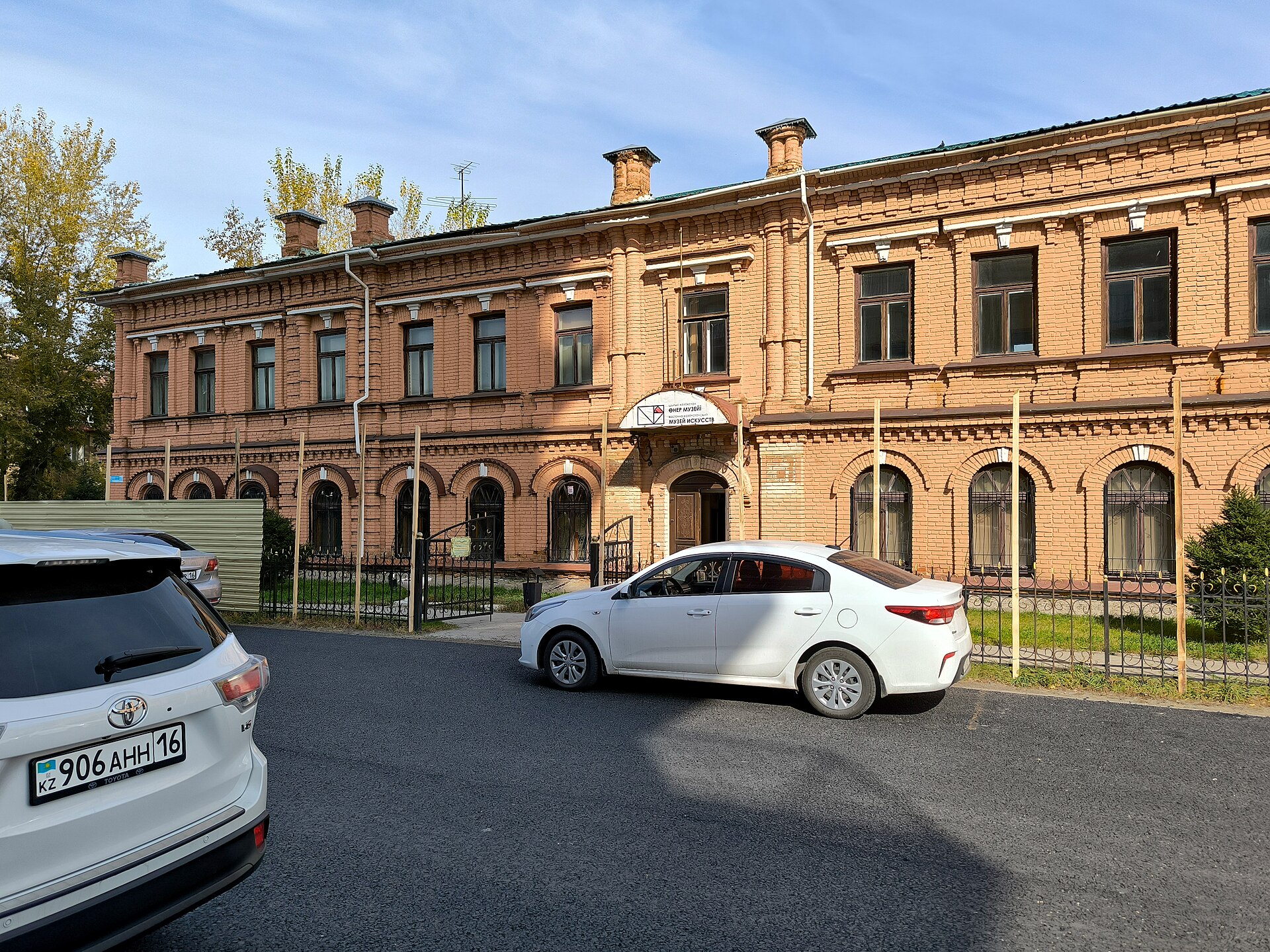
The building itself is a study in Soviet-era architecture, blending grandeur with functionality. Its facade is marked by classical columns and broad steps leading to heavy wooden doors, while the interior exudes a sense of solemnity. High ceilings, intricate moldings, and a spacious foyer bathed in natural light create an atmosphere of quiet anticipation. The auditorium, designed to seat several hundred, ensures that every audience member, regardless of where they sit, feels drawn into the performance. There’s a careful symmetry to the space, from the arrangement of seats to the placement of lighting, all intended to dissolve the boundary between stage and spectator.
The theater’s repertoire has always been diverse, though it holds a special place for Kazakh drama. Plays exploring the traditions, struggles, and evolving identity of the Kazakh people are a cornerstone of its programming. Yet the theater doesn’t limit itself to local themes—it stages classics by Chekhov, Ostrovsky, and Shakespeare, alongside contemporary works from Russian and international playwrights. Each season brings fresh premieres, and audiences eagerly await announcements, knowing they’ll find something that resonates, whether it’s a thought-provoking drama or a lighthearted comedy. Children’s performances are another highlight, with the theater actively nurturing young audiences, understanding that early exposure to live theater can spark a lifelong appreciation for the arts.
The theater’s company is a tight-knit group of professionals, many of whom have dedicated their careers to the stage. Some actors have been part of the troupe since the Soviet era, while others have joined more recently, but all share a deep commitment to their craft. Directors here embrace experimentation, blending innovative techniques with a respect for tradition, ensuring that no two productions feel alike. The result is a body of work that feels both fresh and rooted in the theater’s history. For the actors, the stage is more than a workplace—it’s a space where they can take risks, grow, and connect with audiences in ways that feel deeply personal.
Beyond performances, the theater serves as a hub for artistic exchange. Workshops, creative meetups, and festivals bring together local talent and visiting artists from across Kazakhstan and beyond. Guest performances, whether from Almaty, Moscow, or even further afield, are major events in the city’s cultural calendar. For many in Ust-Kamenogorsk, the theater is more than a venue—it’s a gathering place where people celebrate milestones, debate ideas, and simply enjoy each other’s company. The foyer often hums with conversation, as regulars drop by not just for shows but to linger over coffee, flip through programs, or catch up with friends.
In an era where culture increasingly lives online, the Zhambyl Theater remains a bastion of live experience. There are no special effects or digital enhancements here—just actors, light, and the collective imagination of the audience. That simplicity is part of its enduring appeal. While streaming services and virtual events offer convenience, the theater provides something far more profound: the chance to share a moment with strangers, to laugh or gasp in unison, to feel the weight of a story unfolding in real time. It’s a reminder that art isn’t just something to consume but something to participate in.
What makes this theater special isn’t just the quality of its productions but the way it makes people feel. Performances here don’t just entertain—they linger in the mind long after the final bow. Some leave audiences laughing, others in quiet contemplation, but few walk away unaffected. For Ust-Kamenogorsk, the theater is more than a cultural institution; it’s a part of the city’s soul. As long as actors take the stage and audiences fill the seats, it will remain a place where time moves differently, where the ordinary gives way to something extraordinary.