Most travelers skip Arandis when planning a trip to Namibia. It doesn’t lie on the way to Sossusvlei’s dunes or the Fish River Canyon. It has no wildlife-rich savannas or Atlantic coastline. The Namib Desert surrounds it—heat shimmers in the air, the horizon stretches, and the silence feels deliberate. This is a town built for industry, not tourists, and its reason for being is Rössing, one of the world’s largest uranium mines.
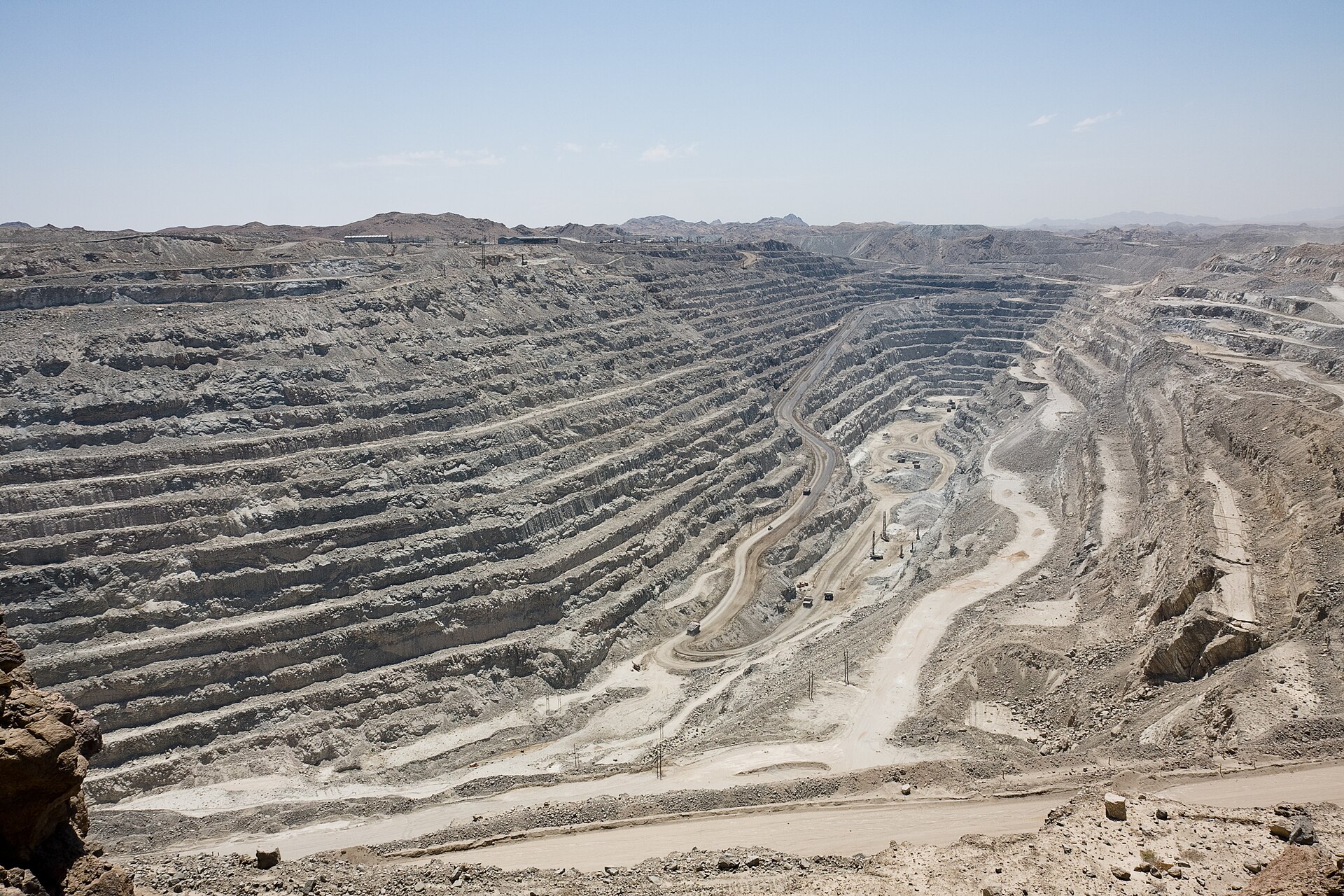
Rössing was discovered in the 1970s. Geologists were looking for copper when they found uranium deposits so large they changed the region’s economy. Today, it’s one of the planet’s biggest open-pit uranium mines. From space, the pit is visible. On the ground, it’s a wound in the earth—over 300 meters deep, its terraced walls crawling with trucks and excavators. The desert around it is sparse, with only the occasional shrub or rock.
The mine never stops. Explosions send dust into the air. Machinery hauls ore to processing plants. The work is relentless, the conditions harsh. Rössing employs thousands, drawing workers from Namibia and neighboring countries. For those in Arandis, the mine is why the town exists. Built as a temporary settlement for miners, it still feels like a place that only persists because of what’s underground. The streets are wide and quiet. The houses are simple. The few shops and cafés serve shift workers passing through.
Rössing’s history is tied to politics. When the mine opened, Namibia was under South African rule. Uranium was a contentious resource. Western nations wanted access, often ignoring the colonial occupation. The UN imposed sanctions. After Namibia gained independence in 1990, the mine became a national asset. Today, it’s owned by the state and foreign investors. Uranium is exported to Asia and Europe. The mine’s legacy is complicated—it brought jobs and stability but tied Namibia’s fortunes to a politically charged resource.
Visiting Rössing requires advance arrangement. Tours take you into the pit. The scale is overwhelming. Machinery looms. The excavation is deep. The hum of activity is constant. Safety rules are strict. Visitors are closely supervised. Holding a piece of ore connects you to the forces that shaped this desert.
Arandis is a town of contradictions. The desert’s silence is broken only by the rumble of trucks. The heat slows life to a crawl at midday. Yet it’s a community. On weekends, music spills from bars. Vendors sell fruit and crafts. Children play soccer on dusty fields. People come from all over—geologists, engineers, workers from Angola, local Namibians. They speak different languages but share the same rhythm: shift changes, truck movements, the ever-present dust.
The mine’s future is uncertain. Reserves are vast, but the world is changing. Renewable energy is rising. Uranium is controversial. No one knows how long Rössing will operate or what will happen to Arandis when the ore runs out. For now, the mine endures. It’s a place where industry and nature collide, where the desert’s emptiness is interrupted by machinery, where Namibia’s past and future are written in the rock beneath the surface.
There’s a strange beauty here. The mine has become part of the landscape. The town exists in its shadow. The desert, indifferent and vast, absorbs it all. Arandis isn’t for everyone, but it offers something rare: a glimpse of how the modern world is built. It stays with you long after you leave.