Arandis is one of those places in Namibia that most travelers pass by without a second thought. It’s not a city of museums or fine dining like Windhoek, nor does it offer the dramatic desert landscapes of Sossusvlei or the coastal charm of Swakopmund. Instead, Arandis moves to its own quiet rhythm, and at the heart of that rhythm is its market—a place that feels less like a marketplace and more like a living crossroads of stories, people, and time.
Unlike the bustling bazaars of North Africa or the vibrant street markets of West Africa, Arandis Market is understated. There are no colorful stalls overflowing with spices or loud haggling over prices. Instead, you’ll find wooden tables under corrugated metal roofs, sacks of maize and beans, bundles of dried fish from the coast, and an unhurried pace that mirrors the town itself. People come here not just to buy and sell, but to catch up on news, share a moment with neighbors, or simply sit in the shade and watch the day go by.
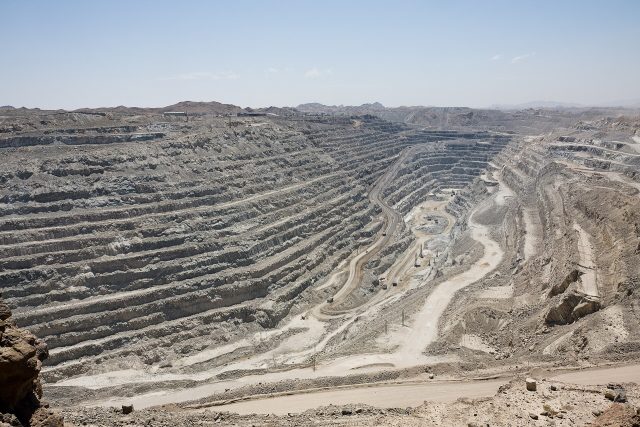
The town’s origins are tied to Namibia’s mining history. Arandis sprang up in the mid-20th century as a temporary settlement for workers at the nearby uranium mines. Everything about it—from the makeshift houses to the dusty roads—was meant to be temporary. But when the mines eventually closed, the town didn’t disappear. Instead, it became home to those who had come for work and stayed, or those who simply had nowhere else to go. The market, in many ways, became the glue that held the community together.
There’s nothing grand about the market’s architecture. No ornate columns, no polished floors, no flashy signs. The stalls are built from whatever materials were available—scrap metal, wooden beams, concrete slabs. Yet there’s a certain charm in its simplicity. The market doesn’t try to impress; it just exists, serving its purpose. In the heat of the day, the shade from the roofs offers relief, and in the evening, as the sun dips below the horizon, the soft glow of string lights creates a warm, almost intimate atmosphere.
What you’ll find here isn’t the kind of thing you’d see in the supermarkets of Windhoek or Swakopmund. The stalls offer wild honey harvested from the surrounding bush, game meat dried and cured using traditional methods, and dishes like sorghum porridge, slow-cooked lamb with vegetables, and flatbreads baked fresh on the spot. This isn’t food prepared for tourists; it’s food made for locals, with flavors that are honest and unpretentious. Sometimes, if you’re lucky, you might catch the scent of meat grilling over an open fire, the smoke mingling with spices in a way that lingers in your memory long after you’ve left.
But the market isn’t just about food. It’s a place where you can find everything needed for daily life—clothing, tools, household goods, even secondhand bicycles and stacks of old magazines. In one corner, someone might be selling handmade wooden carvings or stone crafts, though these aren’t the polished souvenirs you’d find in tourist shops. They’re practical, well-made items, crafted to last, each one carrying the mark of its maker.
What makes the market special, though, isn’t the goods for sale. It’s the atmosphere. There’s no rush, no pressure to buy, no sense of being hustled. People come as much for the company as for the shopping. Elders sit on benches, children dart between the stalls, and women gather to chat. Occasionally, someone might start singing, and soon others join in, turning the market into an impromptu gathering for a few minutes.
Arandis doesn’t try to be anything it’s not. It’s not a tourist hotspot, not a cultural hub. It’s just a town that has found a way to keep going, and the market is a reflection of that. There’s nothing flashy or performative about it—just the quiet, steady pulse of everyday life.
If you ever find yourself in this part of Namibia, don’t just drive through. Stop for a while. Walk through the market, pick up something small, even if it’s just for the sake of memory. Maybe here, more than anywhere else, you’ll get a sense of the real Namibia—not the one from postcards, but the one that exists in the lives of its people and the small, ordinary moments that make up their days.