Arandis isn’t the kind of place most travelers seek out in Namibia.
It lacks the capital’s polish or the coastal towns’ lively waterfronts. No luxury lodges, no chalkboard menus. Yet some places hold something quietly remarkable—not for ticking off a tourist checklist, but for those who want to understand how a country has lived. The Arandis Museum is one of them.
The museum’s building doesn’t stand out.
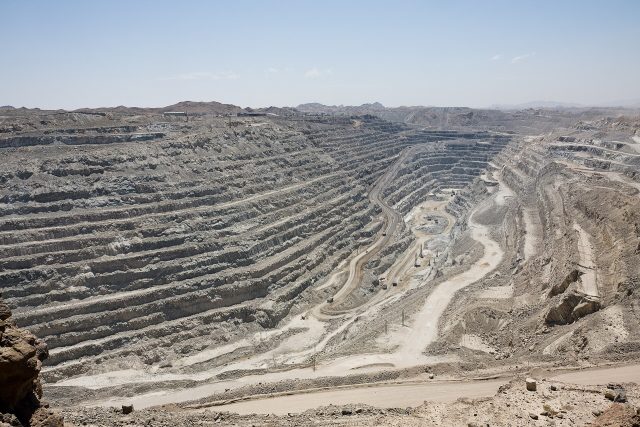
From the outside, it’s just another low structure in Arandis, built to endure the heat. Inside, the space tells a different story. The exhibits trace the uranium boom that turned this forgotten settlement into an industrial hub. In the mid-20th century, Arandis became one of the world’s key uranium mining centers, and its legacy lingers.
The first thing you see are geological samples—chunks of rock with uranium deposits under glass. Nearby, black-and-white photographs show miners from the 1950s and 60s. Dressed in helmets and overalls, they look tired but focused. These aren’t staged portraits. They’re ordinary people who descended into the earth daily, extracting ore for distant nuclear programs. The images feel immediate, as if the past isn’t distant at all.
A scale model of a mine fills one corner. The narrow tunnels, ore carts, and dim lanterns convey the cramped, hazardous conditions. A plaque lists statistics: tons of uranium extracted, workers who passed through these shafts. Behind the numbers are personal stories—some of success, others of hardship. When the mines closed, many left. The town slipped back into obscurity.
The museum isn’t just about mining.
Yellowed newspapers call Arandis the "city of the future," where fortunes were made and lost. Everyday objects—miners’ tools, household items, children’s toys from abandoned homes—show daily life. These aren’t glamorous artifacts. They’re real, grounding the town’s history in something tangible.
A section focuses on wildlife. Stuffed desert foxes and rare birds line the walls. Namibia’s landscapes are untamed, but here the animals aren’t tourist attractions. They’re part of life in Arandis—creatures that shared the land with hunters, farmers, and miners. Old photographs show men with their catches or livestock. The images don’t romanticize. They show how deeply people and nature are intertwined.
The Arandis Museum doesn’t try to dazzle. It’s as understated as the town itself. No crowds, no selfie sticks, no pressure to rush. You can linger over details. The museum doesn’t offer conclusions. It presents fragments—objects, images, stories—and lets you piece them together.
Arandis may have faded from attention, but its history hasn’t. It’s still here, waiting.
If you’re in Arandis, don’t just drive through. This isn’t a place for grand gestures. It’s a chance to step into a rarely told story—one that’s real. The museum doesn’t promise spectacle. Only a quiet encounter with the past. That’s reason enough to spend an hour here, away from the usual tourist trail.