Lubumbashi University is one of those places that rarely appears on tourist maps, yet it offers a rare glimpse into the city’s everyday pulse. Founded in 1955 under Belgian colonial rule, it was originally named the University of Élisabethville and stood as the first higher education institution in the Katanga region. Back then, it symbolized hopes for educational progress in Central Africa, though its creation was tied to colonial interests. After Congo gained independence in 1960, the university underwent several name changes, reflecting the country’s political shifts, until it became what it is today.
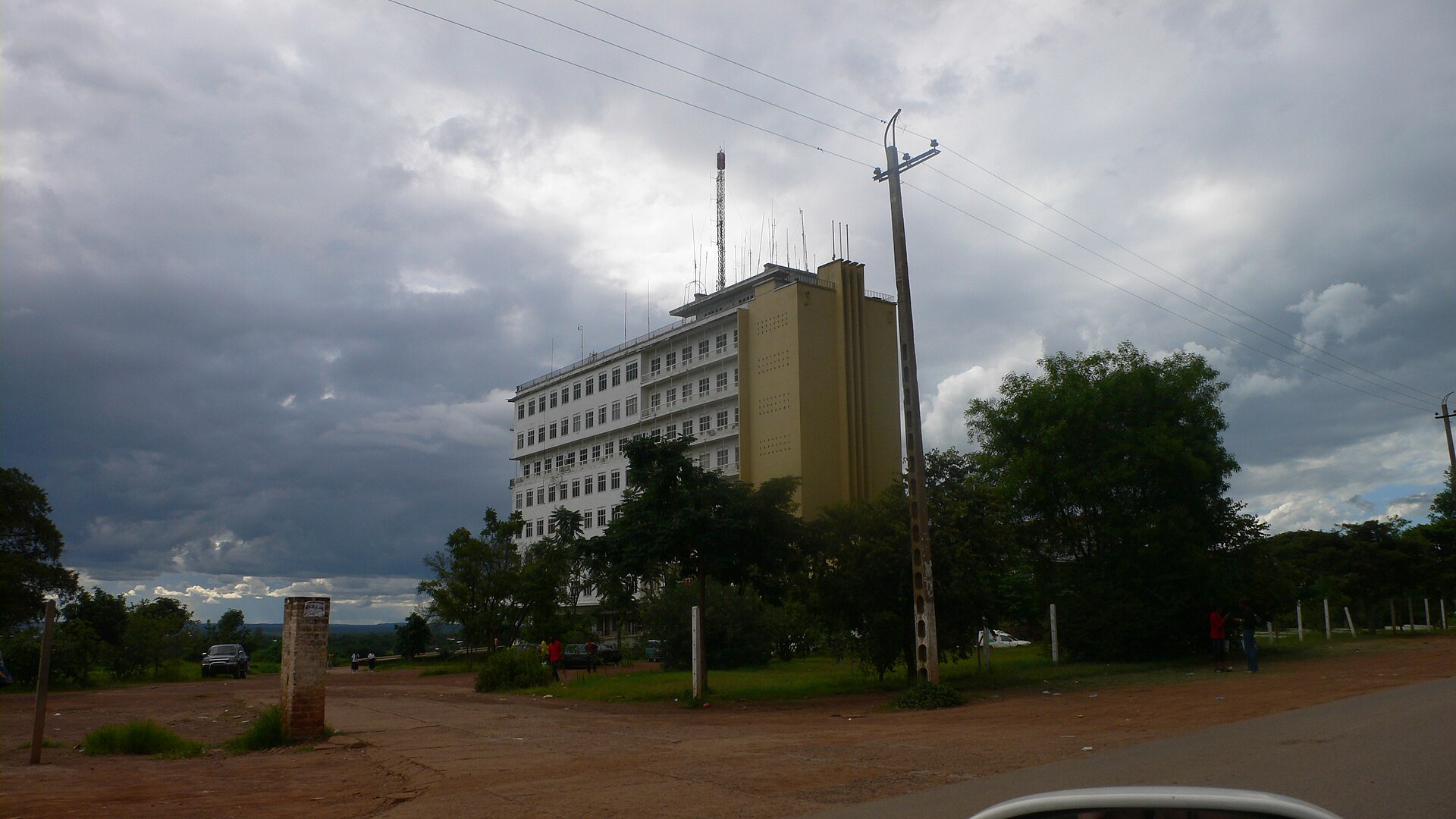
The campus sprawls across a generous stretch of land in central Lubumbashi, nestled among low hills and lush greenery that comes alive during the rainy season. The architecture tells a story of its own—a blend of Belgian functionalism and later Soviet influences, a legacy of the 1970s and 80s when instructors from the USSR helped develop the technical and scientific faculties. The main building, with its columns and broad staircases, evokes an era when the university was more than just an academic institution; it was a hub of intellectual life for the entire region. Today, thousands of students fill its halls, and the campus hums with a steady rhythm of lectures, seminars, and debates in the courtyards, while evenings often bring music and dancing near the dormitories.
Lubumbashi has long been a city shaped by mining, and the university has always been part of that reality. It trains geologists, mining engineers, and chemists—professionals who later work in the copper and cobalt mines that drive the country’s economy. The Faculty of Mining and Metallurgy is one of the university’s strongest programs, with many graduates going on to hold key positions in both state-owned and private companies. Yet the university isn’t solely focused on industry. It also offers humanities programs—history, linguistics, law—that strive to preserve and develop Congo’s cultural heritage, despite the challenges.
Life at the university is deeply intertwined with the life of the city. Lubumbashi isn’t just an industrial hub; it’s a place where cultures intersect. People from across Congo and neighboring African countries live here, and the university becomes a microcosm of that diversity. Students bring traditions from their home regions, and the campus buzzes with conversations in Swahili, Lingala, Tshiluba, and French—the country’s official language. Lectures often spill into discussions about politics, economics, and Africa’s future, as many students see themselves not just as professionals, but as agents of change.
Despite the difficulties—underfunding, occasional power and water shortages—the university remains a magnet for young people. It attracts students not only from Congo but from across Africa, drawn by its relatively affordable tuition and reputation as one of Central Africa’s largest universities. For many, studying in Lubumbashi is a chance to break free from poverty, gain skills, and return home to make a difference. The challenges are real, but so is the determination.
Beyond classrooms and lecture halls, the campus is a vibrant center of student life. There are traditions here—sports competitions, cultural festivals, debates on pressing issues. On weekends, students gather in the university park to play football, catch up on news, or simply unwind. Some take on side jobs—tutoring, small trade—to make ends meet, as scholarships often don’t cover basic needs. Yet the atmosphere remains hopeful. Young people here believe in the future and are willing to fight for it.
Lubumbashi University is more than an educational institution; it’s a piece of the city’s and the country’s history. It has weathered political upheavals and economic crises, yet it continues to shape new generations of Congolese. Here, students learn not just professions, but critical thinking—how to analyze, adapt, and make decisions in a complex world. For many, the university becomes a second home, a place to find friends, allies, and support.
If you ever find yourself in Lubumbashi, take a walk through the university campus, even just as an observer. There are no conventional tourist attractions here, but that’s precisely the point. You’ll see the city’s real life—the unfiltered, everyday rhythm that carries on regardless. Maybe you’ll overhear students debating Africa’s future, see them studying under the trees, or simply feel the energy that exists only in places where young people are building their dreams. Lubumbashi University isn’t just a collection of buildings; it’s a living, evolving part of the city and the country.