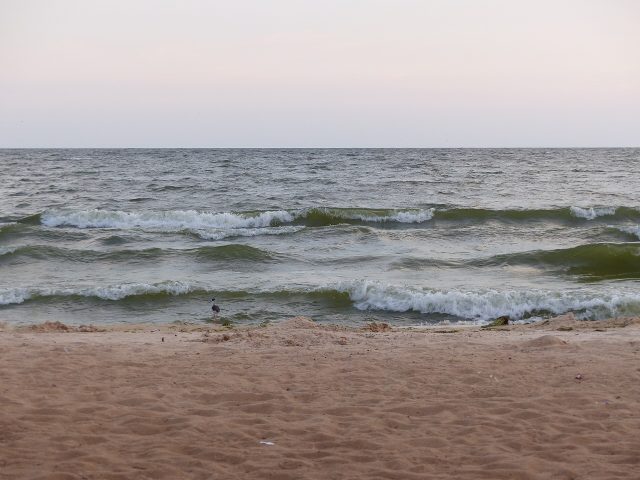
Entebbe’s Wildlife Education Centre, often simply called the Uganda Wildlife Museum, sits quietly on the shores of Lake Victoria, just a short drive from the country’s main international airport. It’s not the kind of place that draws crowds with flashy exhibits or loud announcements, but those who wander in find something far more meaningful—a living record of Uganda’s natural heritage, shaped by decades of conservation efforts and quiet dedication.
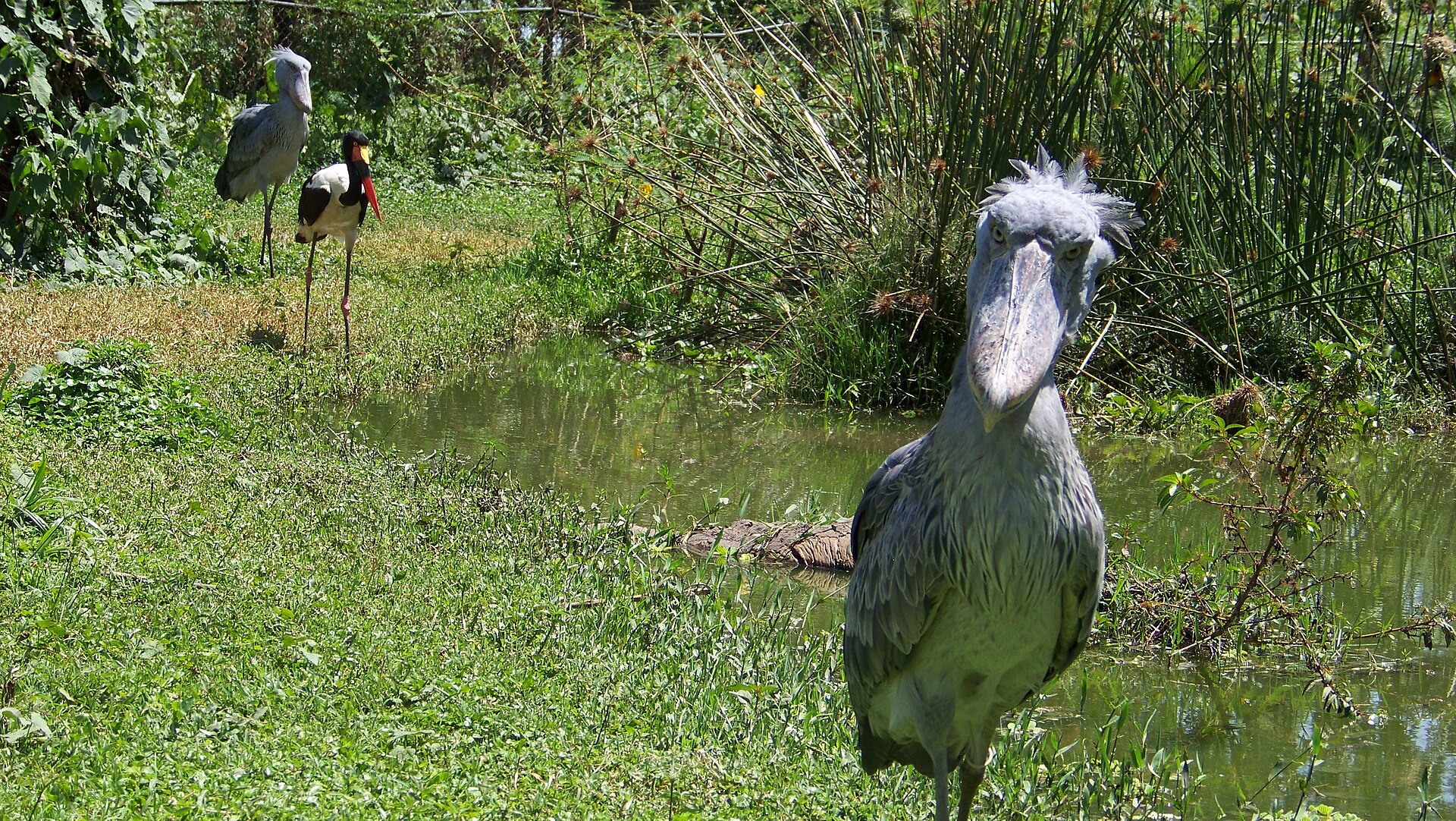
The centre began in the 1950s as a small animal orphanage, a place where injured or confiscated wildlife could be rehabilitated before being released back into the wild. Over time, it grew into something more ambitious: a space where people could learn about the country’s ecosystems without the distance of a safari or the barriers of a traditional museum. The animals here—many of them rescued from illegal trade or habitat destruction—are not just exhibits but ambassadors for their species. You’ll see chimpanzees swinging in their enclosures, their movements a mix of curiosity and caution, or a lone leopard pacing with the restless energy of an animal that knows it should be elsewhere. The birds, too, are impossible to ignore: marabou storks with their hunched silhouettes, crowned cranes stepping delicately through the grass, and the occasional fish eagle perched high above the lake, watching the water below.
What makes the centre different from a zoo is its focus on education and rehabilitation. The staff, many of whom have worked here for years, speak with a quiet pride about the animals in their care. They’ll tell you about the orphaned elephants that were raised here before being reintroduced to the wild, or the pangolins rescued from poachers, their scales still bearing the scars of their ordeal. The centre doesn’t shy away from the harsh realities of conservation—the illegal wildlife trade, deforestation, the encroachment of human settlements—but it also offers hope. There’s a sense that every visitor who leaves with a deeper understanding of these issues is part of the solution.
The grounds themselves are a mix of natural and man-made spaces, designed to mimic the animals’ habitats as closely as possible. The enclosures are spacious, with trees, rocks, and water features that allow the animals to behave as they would in the wild. The paths wind through shaded areas, past small ponds where terrapins bask in the sun, and along the lake’s edge, where the breeze carries the scent of water and earth. It’s a place that invites slow exploration, where you might spend an hour watching a troop of baboons groom each other or listening to the distant call of a hornbill.
Beyond the animals, the centre also serves as a research hub. Scientists and conservationists use it as a base for studying Uganda’s biodiversity, from tracking the movements of migratory birds to monitoring the health of the lake’s fish populations. The work done here has ripple effects far beyond Entebbe, influencing conservation policies and helping to protect species across the region. For visitors, this means that the experience isn’t just about seeing animals—it’s about understanding the delicate balance of ecosystems and the role humans play in either preserving or disrupting them.
The museum aspect of the centre is subtle but effective. Small displays explain the life cycles of Uganda’s most iconic species, from the mountain gorillas of Bwindi to the tree-climbing lions of Ishasha. There are exhibits on the country’s national parks, each one a reminder of how much of Uganda’s identity is tied to its wild landscapes. A particularly moving section focuses on the history of conservation in the country, from the colonial-era game reserves to the modern challenges of climate change and human-wildlife conflict. It’s a story of both progress and setbacks, told without embellishment.
One of the most striking things about the centre is how unassuming it is. There are no grand entrances or towering statues, just a low-slung building with a sign that could easily be missed. Inside, the exhibits are informative but not overwhelming, designed to engage rather than dazzle. The real draw is outside, where the animals live and the lake stretches out in the distance, its surface shimmering under the equatorial sun. It’s a place that rewards patience—those who linger will notice details they might have missed at first glance, like the way a chameleon changes color as it moves from sunlight to shade, or the intricate nests woven by weaver birds in the trees overhead.
For many visitors, the centre is a first introduction to Uganda’s wildlife, a gentle immersion before heading out to the national parks and reserves. But it’s also a place that stays with you long after you’ve left. The memory of a chimpanzee’s expressive face, or the sound of a fish eagle’s cry over the water, lingers in a way that photographs never quite capture. It’s a reminder that conservation isn’t just about protecting animals—it’s about preserving the connections between people and the natural world, connections that are all too easy to lose in a rapidly changing world.
If you find yourself in Entebbe, whether on a layover or at the start of a longer journey, the Wildlife Education Centre is worth a visit. It’s not a place for thrill-seekers or those looking for a quick photo opportunity, but for anyone who wants to understand Uganda beyond its headlines. Here, the country’s wild heart beats a little slower, a little steadier, and those who take the time to listen will hear its rhythm.