The Town Hall in Turda is a building that carries the history of the city and the era it represents. It stands in the center of Turda, once a medieval trading settlement. Today, it doesn’t draw attention for its size but for the quiet atmosphere it holds—something absent in modern administrative buildings. The stones, arches, and cracks in the facade tell stories of the centuries since its construction.
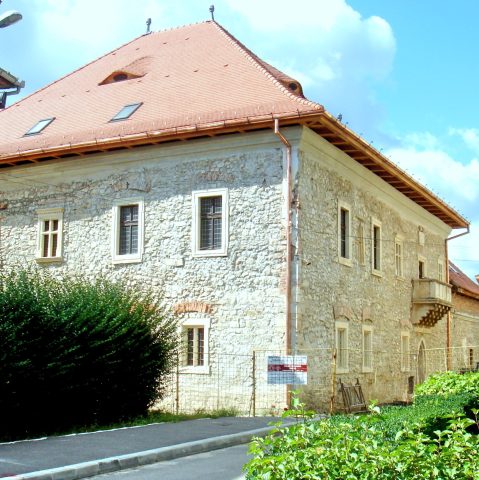
Built in the late 19th century, the Town Hall reflects Turda’s prosperity due to its position along Transylvania’s trade routes. The architecture combines Neo-Renaissance and Neo-Gothic elements, common in that era when cities used public buildings to mark their significance. The facade features symmetrical windows, decorative cornices, and a clock tower that once guided locals and travelers.
The building wasn’t constructed on empty ground.
Its foundation includes remnants of older structures, some from the medieval period. This spot has hosted market stalls, taverns, and a defensive wall that once protected the town. Today, traces of that past remain in the inner courtyard.
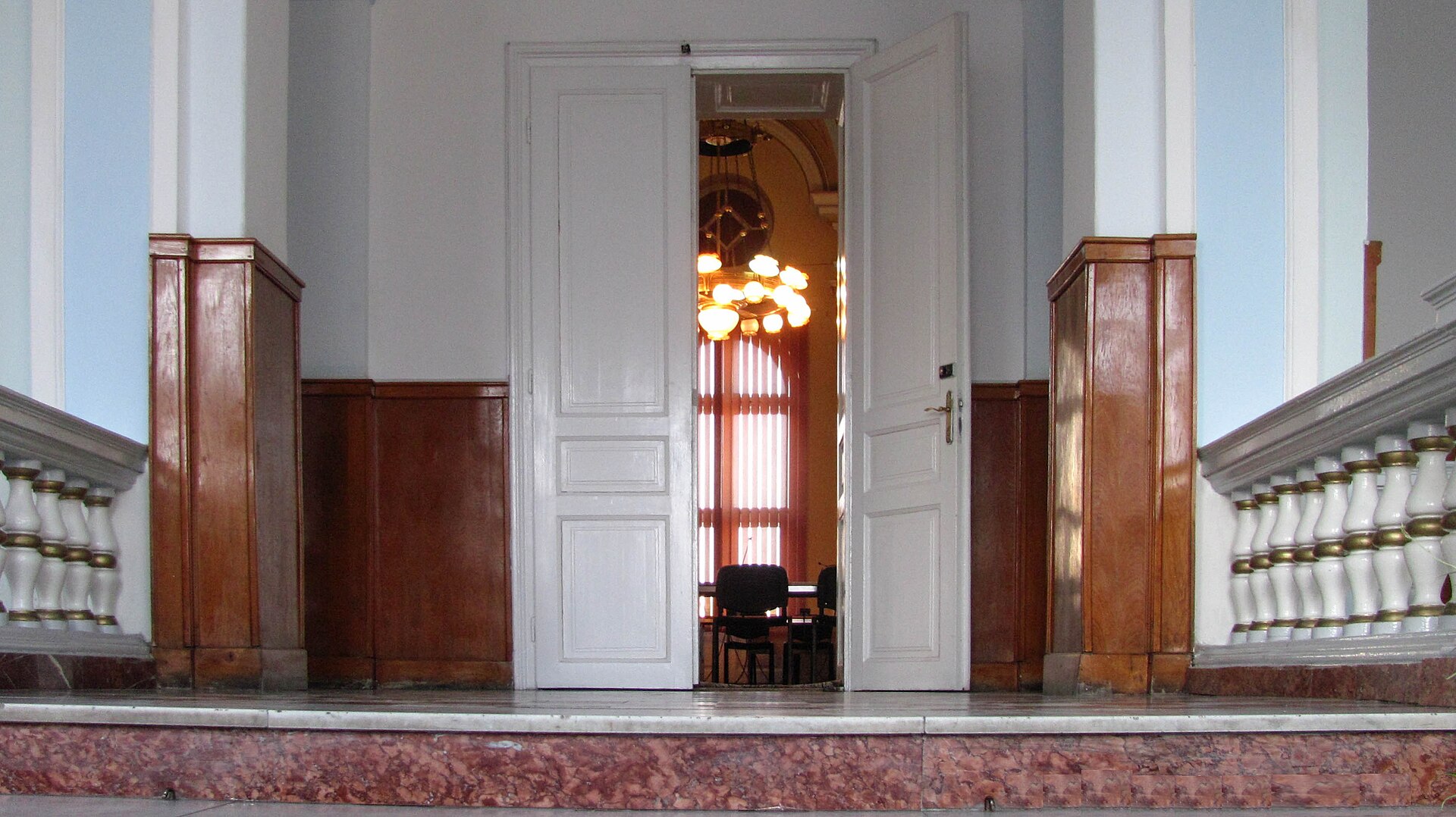
Inside, the Town Hall still functions as it was intended. Local officials work here, and the council chamber hosts meetings. Below ground, the cellars once stored the city’s archives and valuables. Though closed to visitors, locals share stories of echoes heard in those walls on quiet evenings.
The Town Hall has witnessed key moments in Turda’s history. It saw royal decrees announced, decisions about the city’s future, and times when it provided shelter during wars. After World War I, when Turda became part of Romania, the building symbolized this change. Its facade was updated with new crests and inscriptions reflecting the political shifts of the time.
Today, the Town Hall is more than an administrative building. The square around it has cafes and shops, and on weekends, it fills with people. In summer, concerts and fairs animate the space; in winter, an ice rink turns it into a gathering spot. During these events, the Town Hall becomes part of the city’s daily life.
For those who notice architecture, the building may not stand out like others from the same period. But that’s its appeal. It doesn’t try to impress with scale or luxury; instead, it shows how people lived in small Transylvanian towns, where history and everyday life mixed. There’s no pretense here, just a sense of place.
If you visit Turda, spend time near the Town Hall. Walk around the square, step into the courtyard, and if you’re lucky, join a small tour inside. Even the facade makes you think about the lives that passed through its doors, the decisions made under its roof, and the stories left untold. The real value of travel often lies in places like this, where history isn’t announced but quietly endures.