St. Nicholas Church in Turda is one of those rare places where time seems to have paused, leaving behind the quiet dignity of medieval Transylvania. Perched on a gentle hill in the heart of the old town, it overlooks narrow streets that once bustled with merchants and craftsmen. In its heyday, Turda was a thriving trade hub, and the church stood as both a spiritual anchor and a symbol of authority under the Hungarian crown, which ruled these lands for centuries.
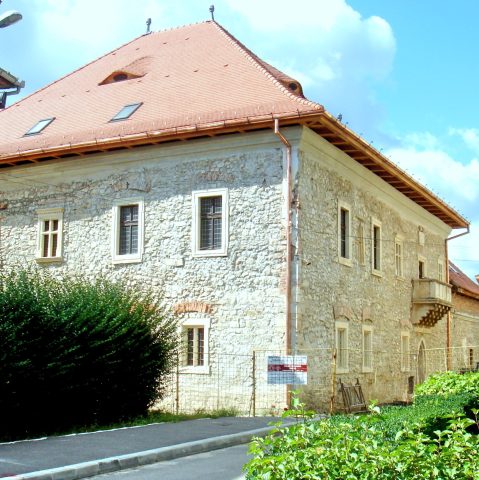
The building itself is a quiet testament to the region’s layered history, blending Gothic and Romanesque elements in a way that feels natural rather than forced. The thick stone walls and pointed arches speak of Gothic influences, while the restrained, almost austere facade reflects the simpler Romanesque tradition. Inside, faded 15th-century frescoes still cling to the walls, their details softened by time but their craftsmanship undeniable. These murals, though worn, offer a glimpse into the hands of anonymous artists who once filled the space with color and devotion.
The altar draws the eye with its carved wooden panels and gilded accents, a modest yet striking centerpiece. In medieval times, it held relics that drew pilgrims from afar, and the sound of the organ once filled the nave during services, echoing through the town. The instrument is long gone, but the church still carries the weight of its past, especially during occasional concerts of early music, when the acoustics breathe new life into old melodies.
Like many Transylvanian landmarks, St. Nicholas Church has weathered its share of upheavals. During the Reformation in the 16th century, it passed into Protestant hands before being reclaimed by Catholics during the Counter-Reformation. In the 19th century, restorers took care to preserve its original character, resisting the urge to modernize. As a result, the church today remains remarkably close to its medieval form, a rare survivor of changing tastes and turbulent history.
A small park surrounds the church, where locals often sit beneath the shade of old trees. The atmosphere is peaceful, broken only by the occasional footsteps of visitors or the distant chime of the bell tower. On clear days, the hill offers a view of Turda below—a town where past and present coexist. Tiled roofs of centuries-old houses stand alongside newer buildings, and the streets hum with a mix of Romanian and Hungarian, a reminder of the region’s cultural crossroads.
What makes St. Nicholas Church special is its unassuming presence. Unlike grand cathedrals that dominate skylines, this is a place of quiet resilience. There are no crowds here, no rush to snap the perfect photo. Instead, visitors can linger on a wooden bench inside, tracing the outlines of faded frescoes, or step outside and imagine the footsteps of those who once walked these stones as part of their daily lives.
Turda rarely appears on must-see lists for Romania, and that’s part of its charm. The town hasn’t been polished for mass tourism, and the church remains a place where history feels tangible rather than staged. There’s no fanfare, no overbearing signage—just the stillness of old walls and the faint rustle of leaves in the breeze. For those who seek more than just sights, but a sense of place, St. Nicholas Church offers exactly that: a moment of connection with the past, unfiltered and real.