Turda’s History Museum is one of those quiet places where the past doesn’t just sit behind glass—it lingers in the air, in the creak of old floorboards, in the way sunlight falls through tall, narrow windows. The building itself is part of the story, a grand 19th-century townhouse that once belonged to a prominent local family. Walking through its rooms feels less like a museum visit and more like stepping into someone’s home, long after the last residents have left. The high ceilings, worn wooden staircases, and faded frescoes on the walls don’t just display history; they carry it in their very bones. There are no flashy exhibits or interactive displays here, just the slow, steady presence of time.
Turda isn’t a city that draws crowds. It doesn’t have the fame of Bucharest or the fairy-tale charm of Transylvania’s fortified churches, and that’s precisely what makes it special. Here, history isn’t something you observe from a distance—it’s woven into the fabric of everyday life. The museum reflects that. It’s small but thoughtful, with artifacts spanning centuries, from Roman relics to early 20th-century photographs. The exhibits don’t try to impress with grandeur; instead, they offer glimpses of ordinary lives—tools, letters, household items—that together paint a picture of a place shaped by trade, industry, and the slow passage of years.
One of the most compelling aspects of the museum is how it traces Turda’s evolution through seemingly mundane objects. A blacksmith’s hammer, a merchant’s ledger, a child’s toy—these aren’t the kinds of things that usually end up in history books, but they tell a story just as vividly as any battle or royal decree. The museum’s collection includes old maps and a detailed model of the city as it once was, allowing visitors to see how Turda grew from a small settlement into a bustling hub. The faces in the photographs, the handwriting in the documents, the wear on the tools—all of it feels strangely intimate, as if the past isn’t so far away after all.
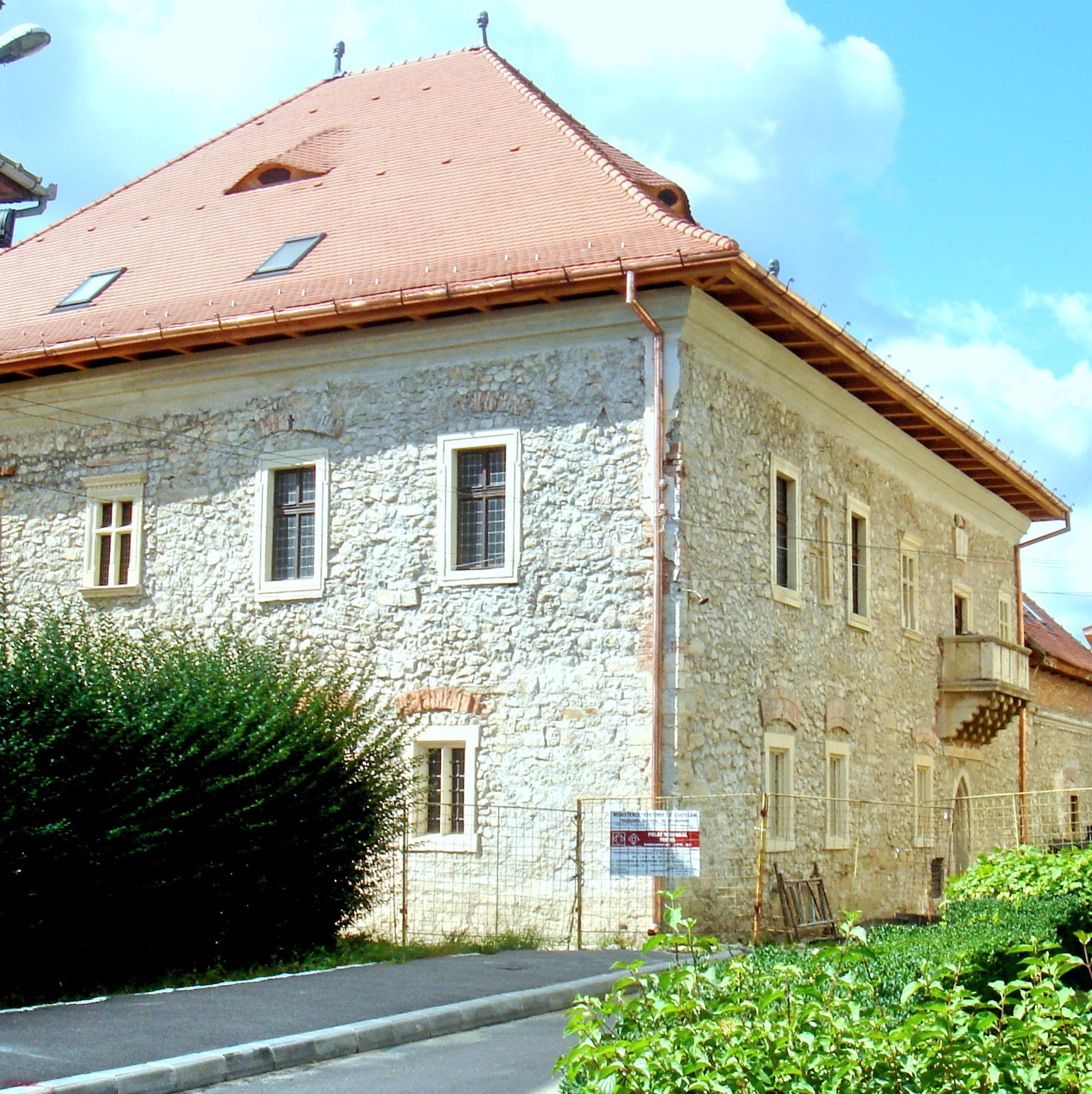
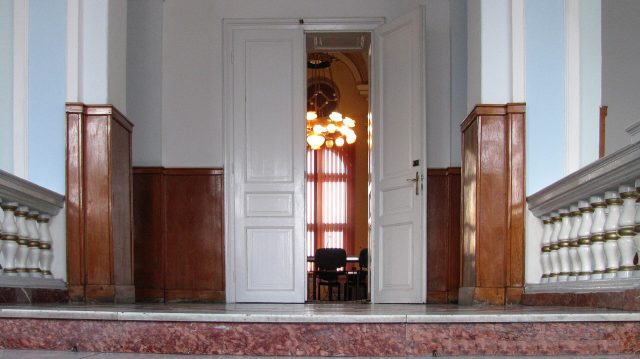
The building that houses the museum is worth exploring in its own right. Built in the late 1800s, it blends neoclassical elegance with local craftsmanship. The facade is adorned with delicate stucco work, while inside, original features like carved fireplaces and parquet floors remain intact. Some rooms still bear traces of their former opulence—ornate ceiling paintings, stained glass, and intricate woodwork—hinting at the wealth and status of the families who once lived here. The building shows its age, but that only adds to its character. It’s easy to imagine the conversations that once filled these rooms, the footsteps on the stairs, the quiet moments by the windows.
What makes this museum different from many others is its lack of pretense. There are no dramatic recreations or attempts to make history more palatable for modern audiences. Instead, the exhibits feel raw and unfiltered, like flipping through an old family album. The focus isn’t on kings or wars but on the people who built the city—miners, craftsmen, shopkeepers, and their families. The museum doesn’t shy away from the contradictions of Turda’s past, either. One display might feature artifacts from the Austro-Hungarian era, while another shows life under socialism, side by side without commentary. It’s up to the visitor to piece together the story, to see how the city changed and how its people adapted.
A significant portion of the museum is dedicated to Turda’s salt mines, which have been a cornerstone of the city’s identity for centuries. Salt extraction dates back to Roman times, and for generations, it was the lifeblood of the local economy. The exhibits include miners’ tools, maps of the underground tunnels, and photographs of workers in the dim light of the shafts. There are even samples of the salt and minerals pulled from the earth. But the mines weren’t just an economic force—they shaped the culture of Turda, giving rise to traditions, legends, and festivals that persist to this day. The museum preserves these stories, offering a glimpse into a way of life that has all but disappeared.
Visiting the museum isn’t a structured experience. There are no rigid tour routes or lengthy explanatory plaques, which means you can wander at your own pace, lingering over whatever catches your eye. Some visitors might spend hours poring over old photographs, searching for familiar features in the faces of long-ago residents. Others might study the maps, tracing the growth of the city or the paths of ancient trade routes. The lack of strict guidance makes the museum feel more like a personal discovery than a formal exhibit. It’s the kind of place where you might find yourself lost in thought, staring out a window at the quiet streets below, imagining the generations who walked them before you.
Turda doesn’t try to be a tourist hotspot, and its museum reflects that. There’s no hustle, no attempt to cater to every whim of a visitor. It’s a place for those who appreciate subtlety, for those who prefer the quiet weight of history over the noise of spectacle. That doesn’t mean it’s dull—far from it. The absence of over-the-top displays or forced narratives makes the experience all the more meaningful. Here, history isn’t something you consume; it’s something you feel. You might leave with more questions than answers, but that’s part of the appeal. The museum doesn’t tell you what to think; it invites you to look, to wonder, and to connect with the past in your own way.
In a world where so many historical sites are polished and packaged for mass appeal, Turda’s History Museum stands out for its authenticity. It’s not a place for quick selfies or superficial impressions. It’s for those who want to slow down, to listen to the echoes of the past, and to understand a city not through grand narratives but through the small, human details that make history real. If you find yourself in Turda, it’s worth a visit—not because it’s famous, but because it offers something rare: a chance to step outside of time, if only for a little while.