Tondo is one of Manila’s oldest districts. Before Spanish galleons reached Manila Bay, this land along the Pasig River belonged to the Kingdom of Tondo. Its rulers traded gold, spices, and porcelain with China and Southeast Asia. Now, only fragments of that era remain—scattered memories in a neighborhood where daily life hums.
Walk through Tondo’s narrow streets. Past crumbling facades, the weight of history lingers, quiet but unshaken.
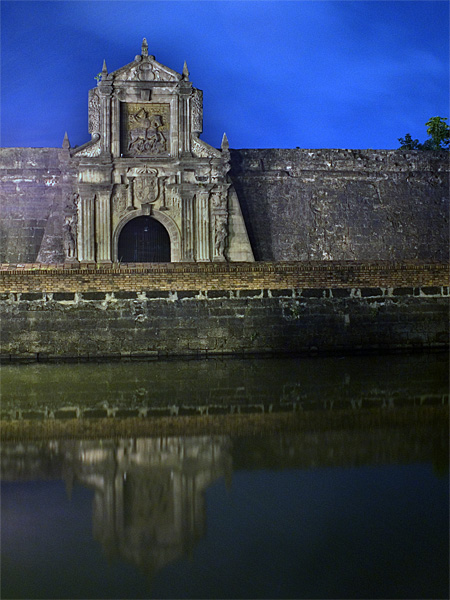
The Fort of Tondo, built in the 16th century, was part of Spain’s colonial defenses. It guarded against land and sea attacks. Tondo was a strategic hub, linking Manila to upriver provinces. The fort’s walls, made of coral stone and brick, were built to endure sieges. Over time, pirates, rebels, and erosion wore them down. By the 1800s, the fort’s purpose had faded, its stones swallowed by the city’s growth.
Today, what remains is easy to miss. A few weathered sections of wall are embedded in newer buildings. A slight rise in the ground marks where a bastion once stood. Most people pass without noticing. But if you know where to look, these remnants tell a story.
The fort’s design was practical: thick walls, low towers, narrow slits for muskets. It was never meant to impress—only to last. And it has, in its own way.
Tondo is a place of contrasts. Poverty and vitality exist side by side. There are no tourist maps here. The streets are lined with vendors selling fish and fruit. Children dart between parked jeepneys. Old men play checkers on makeshift tables. The fort’s ruins blend into this scene, unmarked and unprotected. No plaques explain their significance. No barriers keep visitors away. They are part of the neighborhood, as ordinary as laundry strung between balconies or dogs dozing in the shade.
To visit the fort, you need patience. There are no signs pointing the way. Even locals might not recognize the remnants. Wander the alleys. You might find a section of wall behind a market stall. Or notice the uneven slope of a street where a moat once ran.
Don’t expect grandeur. This isn’t a postcard-perfect ruin. It’s a reminder that history isn’t always preserved—sometimes, it’s just lived with.
Tondo’s history isn’t just colonial. In the 19th century, it became an industrial center, home to warehouses and workshops. Later, it played a role in political struggles, from the American occupation to World War II. The district has seen hardship, but it has also been a place of resilience. The fort’s stones have witnessed centuries of change. They remain, rooted in the present.
What makes the Fort of Tondo worth seeking out? It forces you to see history as it is—messy, incomplete, human. There are no guided tours. No gift shops. Just the quiet evidence of lives lived and time passing.
In a city where so much is rebuilt for tourists, Tondo offers something rare. It doesn’t ask for admiration. It simply exists.
If you visit, go with an open mind. This isn’t a place for quick photos. Slow down. Look at the cracks in the pavement. The faded paint on a doorframe. The way light falls on a crumbling wall. These details connect the past to the present.
The fort may not be much to look at. But it has a story—one about the people who live here now, and those who walked these streets centuries ago.