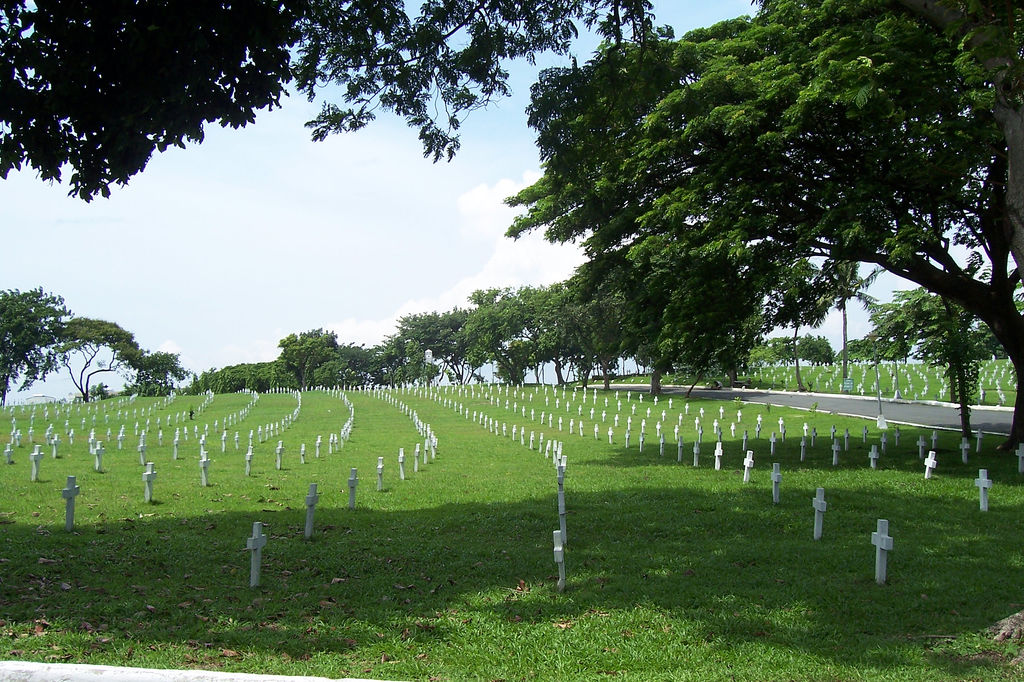
Manila North Cemetery isn’t the kind of place you’ll find in glossy travel brochures, and that’s precisely why it lingers in the mind long after you’ve left. Tucked away in Tondo, one of the city’s oldest and most densely populated districts, this sprawling necropolis has evolved far beyond its original purpose. It’s no longer just a resting place for the dead—it’s a living, breathing part of Manila’s daily rhythm, where the past and present coexist in a way that feels both unsettling and deeply human.
The cemetery was established in the early 20th century under American colonial rule, a time when Manila was expanding rapidly and the need for orderly burial grounds became urgent. Before then, graves were scattered across the city, often in overcrowded and unsanitary conditions. The new cemetery was designed to be different: spacious, meticulously planned, and reflective of the era’s architectural ideals. It became the final home for everyone from ordinary citizens to politicians, soldiers, and cultural figures, turning its grounds into an unintended archive of Philippine history. Each tombstone, mausoleum, or simple cross tells a story—some grand, others quietly personal—of a nation’s journey through war, independence, and the slow march of time.
Walking through Manila North Cemetery is like flipping through the pages of a history book written in stone and concrete. The architecture is a patchwork of influences, blending European-style mausoleums with their grand columns and weeping angels alongside more modest Filipino graves, often adorned with vibrant flowers and religious icons. The most striking structures are the family vaults, some of which resemble miniature mansions, complete with ornate carvings, stained glass, and wrought-iron gates. These aren’t just tombs; they’re extensions of the homes the deceased once lived in. During religious holidays, families gather here for prayers and remembrances, and in some cases, relatives even stay overnight, turning the vaults into temporary living spaces. It’s a practice that blurs the line between the living and the dead, a reminder that for many Filipinos, family ties don’t end with death.
Over the decades, the cemetery has taken on another role: that of a refuge for Manila’s poor. With the city’s relentless urban sprawl and chronic housing shortages, hundreds of families have made their homes among the graves. Some live in the vaults themselves, converting them into makeshift dwellings with curtains, furniture, and even small altars. Others have built shanties between the tombstones, stringing up electrical wires and running water pipes through the labyrinth of pathways. For outsiders, the idea of living on a cemetery might seem grim, but for those who call it home, it’s simply a fact of life. Some have lived here for generations, raising children who play between the graves, attending school, and growing up in a world where death is as much a part of the landscape as the trees or the sky. It’s a stark reminder of the inequalities that shape Manila, where even in death, the divide between the haves and have-nots remains visible.
Yet for all its contradictions, Manila North Cemetery is a place of profound reverence. Nowhere is this more evident than during All Saints’ Day and All Souls’ Day, when the cemetery transforms into a sea of flickering candles and hushed prayers. Thousands of people descend upon the grounds, bringing flowers, food, and offerings for their departed loved ones. The air fills with the scent of incense and the murmur of voices, creating an atmosphere that’s both solemn and strangely festive. For a few days, the cemetery is no longer a place of quiet reflection but a vibrant, almost communal space where grief and celebration intertwine. It’s a tradition that dates back generations, a testament to the Filipino belief that the dead are never truly gone—they’re just waiting on the other side.
To an outsider, the idea of a cemetery as a living neighborhood might seem macabre, but Manila North Cemetery defies easy categorization. It’s a place where life and death coexist in ways that challenge Western notions of what a burial ground should be. Children laugh as they chase each other between the tombs, elderly men sit on benches swapping stories, and vendors weave through the crowds selling everything from candles to snacks. There’s a sense of normalcy here, a quiet acceptance that death is not an end but a continuation—another chapter in the ongoing story of family, community, and memory. It’s this acceptance that makes the cemetery feel less like a place of mourning and more like a microcosm of Filipino resilience.
What makes Manila North Cemetery truly fascinating is how it reflects the broader culture of the Philippines, where family and tradition often take precedence over rigid social norms. Here, the boundaries between the living and the dead are fluid, and the past is never far from the present. The cemetery isn’t a static monument to history; it’s a dynamic space that evolves alongside the city. New graves are added, old ones are tended to, and life goes on in the spaces between. It’s a place where you can feel the weight of history without the sterile detachment of a museum exhibit, where the stories of the dead are kept alive by the people who remember them.
For those willing to look beyond the surface, Manila North Cemetery offers a glimpse into the soul of Manila—a city of contrasts, where beauty and hardship exist side by side. It’s not a place for the faint of heart, nor is it a typical tourist attraction. But for anyone seeking to understand the Philippines beyond the postcard-perfect beaches and bustling markets, it’s a revelation. Here, history isn’t something you read about in books; it’s something you walk through, something that surrounds you, something that feels alive in the most unexpected ways. And perhaps that’s the real magic of this place: it doesn’t just preserve the past—it lets you live it, if only for a little while.