Hyvinkää Theatre is one of those places that doesn’t announce itself with grand gestures but leaves a quiet, lasting impression. Tucked away in a small Finnish town where life moves at an unhurried pace, it’s the kind of venue where culture feels less like a spectacle and more like a natural part of everyday life. The building itself doesn’t resemble the ornate opera houses or towering concert halls of bigger cities. Instead, it’s a modest, welcoming space where art exists for connection rather than display.
The theatre’s story began in the mid-20th century, a time when Finland was rebuilding not just its economy but its cultural identity after the war. Like many towns across the country, Hyvinkää saw the value in creating spaces where people could gather, reflect, and find common ground. The theatre became one of those places—a hub for those who loved stories, whether told through drama, music, or simple human interaction. Over the decades, it found its footing, carving out a loyal audience and a steady presence in the town’s rhythm.
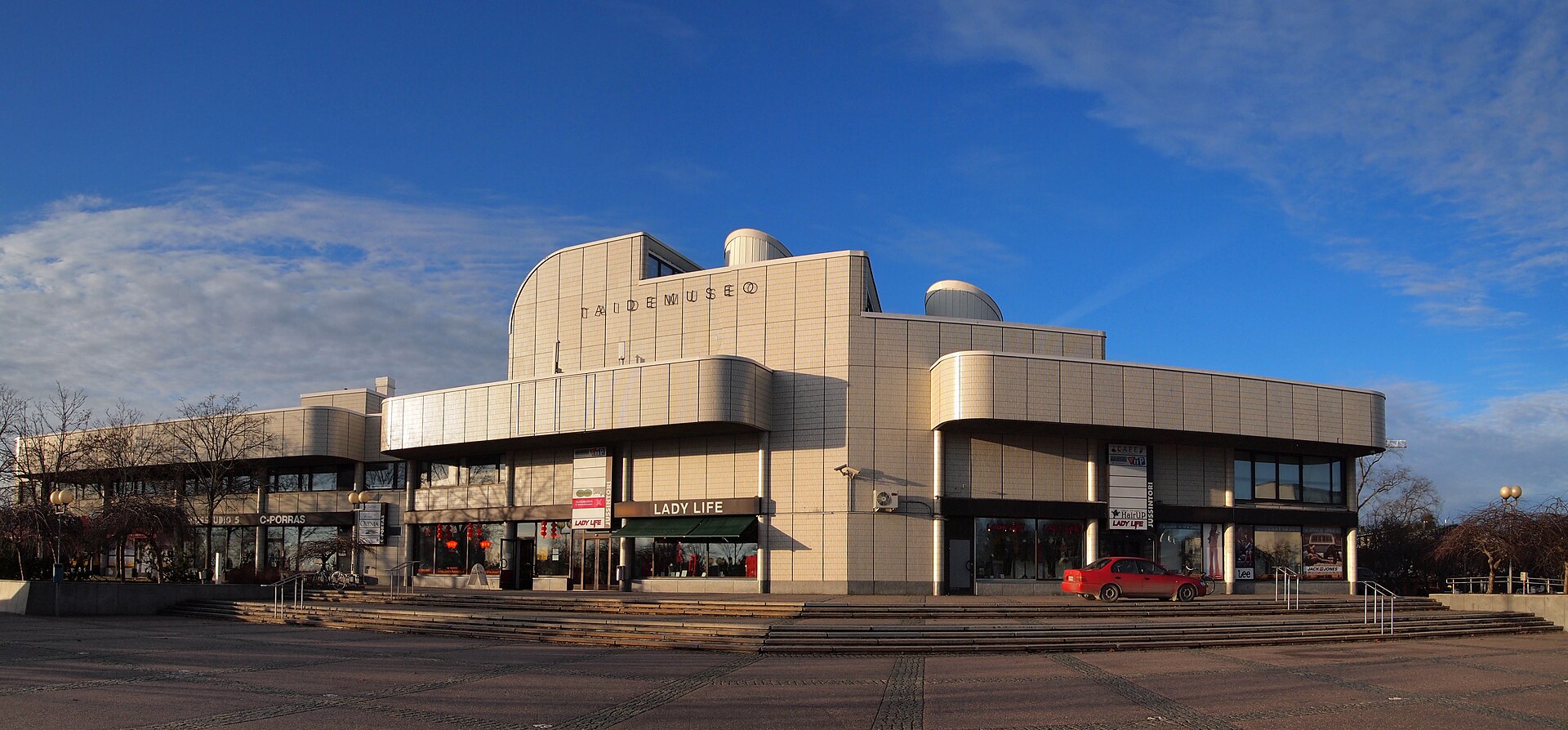
The architecture reflects the understated elegance of Finnish design: practical, uncluttered, and thoughtfully arranged. There’s no attempt at extravagance, just a quiet harmony in the clean lines, the large windows that let in natural light, and the intimate seating that makes every performance feel personal. The space is designed to fade into the background, allowing the story on stage to take center stage. It’s a place where the focus stays on the actors and the audience, bound together by the shared experience of the moment.
The theatre’s repertoire is varied, but it always makes room for Finnish voices. This isn’t accidental. Like many regional theatres across Finland, Hyvinkää Theatre sees itself as a guardian of national culture, staging works by Finnish playwrights—both classic and contemporary—as well as thoughtful adaptations of international literature. Some productions push boundaries, experimenting with form and style, but most lean into stories that resonate deeply, told with sincerity and care. The goal isn’t to shock or dazzle but to engage, to make the audience feel something real.
Traveling productions play a significant role in the theatre’s calendar. Hyvinkää often hosts troupes from other Finnish cities and occasionally from abroad, bringing performances that might otherwise never reach this corner of the country. In return, the theatre’s own productions tour elsewhere, sharing its work with audiences beyond its hometown. These exchanges create a cultural dialogue, making art more accessible and reminding people that great stories aren’t confined to big cities.
Beyond performances, the theatre is a place of learning and conversation. Workshops, lectures, and discussions with actors, directors, and playwrights are regular features, offering locals a chance to go behind the scenes, ask questions, or even try their hand at acting. These events turn the theatre into more than just a venue—it becomes a living part of the community, a place where curiosity is encouraged and ideas are exchanged. For a town of its size, this kind of engagement is invaluable, fostering a sense of ownership and connection.
The atmosphere here is one of quiet anticipation. Before a show, the small café attached to the theatre fills with the murmur of conversation and the scent of coffee. There’s no rush, no jostling for attention—just the easy hum of people settling in, chatting, or simply enjoying the moment. After the performance, many linger in the foyer, discussing what they’ve seen or sharing thoughts over a drink. It’s the kind of place where an evening unfolds naturally, without the pressure of grand expectations.
For a town of around 46,000 people, the theatre holds a significance that goes beyond entertainment. It’s a gathering point, a reason for people to come together, even if just for a few hours. In a country where cultural life is often concentrated in the biggest cities, smaller towns like Hyvinkää rely on places like this to keep their own stories alive. The theatre becomes a bridge between generations, a space where daily worries fade and the shared experience of a story takes over.
Today, Hyvinkää Theatre continues its steady, unassuming work. It doesn’t chase fame or trends but stays true to its purpose: to be a place where art serves people, not the other way around. There are no grand ambitions here, just the quiet dedication of actors who step onto the stage and the attentive eyes of an audience that meets them halfway. In the end, that’s what makes it special—not the scale of its productions, but the sincerity of its approach. It doesn’t need to be the loudest voice in the room; it just needs to be honest.