Hyvinkää is one of those quiet Finnish towns that rarely makes it onto must-see lists. There are no crowded tourist trails here, just well-kept parks, a slow pace of life, and the kind of peaceful atmosphere you’d expect from a small Finnish town an hour’s drive from Helsinki. Yet tucked away in this unassuming place is a museum that offers something different—art without pretension, a space where exhibitions don’t overwhelm but instead invite conversation. The Hyvinkää Art Museum may be modest in size, but it has a warmth and vitality that make it worth a visit.
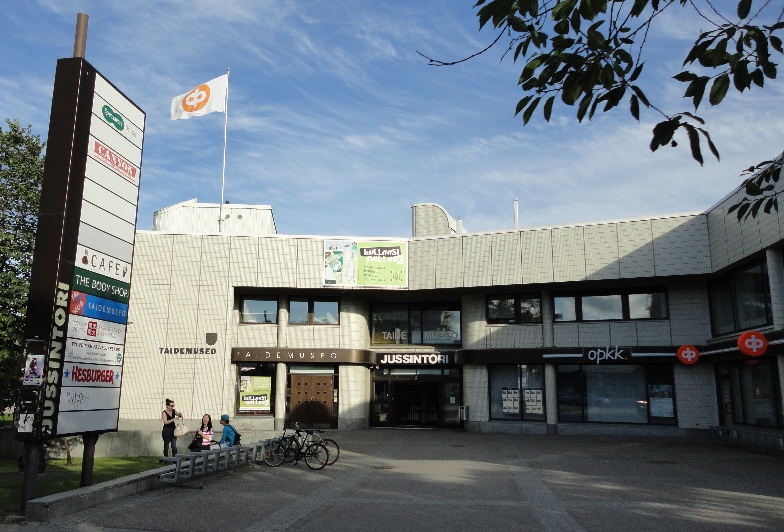
The museum occupies a building with its own quiet history. Originally constructed as the town’s public library in the mid-20th century, it reflects the functionalist architecture of its time—clean lines, large windows, and bright, uncluttered interiors where practicality takes precedence over ornamentation. Some of the original details remain, like the wooden panels and staircases, subtle reminders that this was once a place for books rather than paintings. The transition from library to museum feels natural, as if the building had always been meant to house art.
What makes this museum special is its focus on local creativity. The collection isn’t filled with world-famous masterpieces, and that’s part of its charm. Instead, it showcases Finnish artists, many of whom lived or worked in the region, offering a glimpse into how tastes and themes in Finnish art have evolved over the past century. The galleries feature early 20th-century landscapes, painted when Finland was still finding its identity as an independent nation, alongside contemporary works where nature and urban life merge in abstract forms. A particular highlight is the selection of pieces by artists connected to Hyvinkää itself—paintings and sketches that capture the town through the eyes of those who called it home.
The museum has a dynamic feel, with a small but well-curated permanent collection complemented by a steady rotation of temporary exhibitions. These change frequently, bringing in everything from retrospectives of established Finnish artists to experimental projects by emerging talents. The museum also collaborates with other cultural institutions across Finland, occasionally hosting works from larger galleries that don’t often travel. This means even regular visitors can always find something new to discover.
There’s an ease to the way the museum operates. Unlike some institutions where rules about photography or touching exhibits feel rigid, here the atmosphere is welcoming. The space is designed to encourage interaction—art isn’t something distant but something to engage with. Visitors can attend workshops, lectures, or artist talks, where discussions about creativity flow as naturally as the exhibitions themselves. For children, there are interactive tours and hands-on activities that make the museum feel more like a playground for the imagination than a stuffy gallery.
Though small, the museum plays a significant role in Hyvinkää’s cultural life. In a town without grand theaters or concert halls, it serves as a gathering place for anyone interested in art, history, or contemporary culture. Beyond exhibitions, it hosts concerts, poetry readings, film screenings, and even small festivals, bringing together people of all ages and backgrounds. Here, art isn’t something remote or exclusive—it’s woven into the fabric of everyday life.
A visit to the museum doesn’t take long, but it leaves a lasting impression. Afterward, you might stroll through Hyvinkää’s center, where old wooden houses line quiet streets, or follow the Vantaa River for a peaceful walk. The town itself feels like a slice of authentic Finland—not the postcard version, but the real one, where people value simplicity and take pleasure in small moments. The museum isn’t just a landmark; it’s a reflection of that way of life.
If you find yourself in Hyvinkää, it’s worth stopping by, even if art isn’t usually your thing. You might not come for the masterpieces, but you’ll leave with something just as valuable—a new perspective, a quiet thought, or simply the quiet satisfaction of having spent time in a place where beauty and ideas feel within reach. After all, museums aren’t just about preserving the past; they’re about helping us see the present more clearly.