The Finnish Railway Museum in Hyvinkää is where the country’s railroad history comes alive—not as a static display of artifacts, but as a living chapter of an era when steam engines symbolized progress and train travel felt like something out of a storybook. Housed in a former locomotive depot, the museum occupies a space that once hummed with activity: mechanics tending to engines, crews starting their shifts, and the constant rhythm of a working railway. These walls still carry the echoes of a time when Finland was stitching together its vast landscapes with steel tracks, connecting remote villages to bustling cities for the first time.
The idea for the museum took shape in the mid-20th century, as steam locomotives began fading into history, taking with them an entire way of life. In 1974, the decision was made to preserve this legacy, gathering not just machines but the stories, tools, and culture of the railway. What started as a collection of old engines and carriages grew into a comprehensive archive of documents, uniforms, photographs, and personal items belonging to the people who kept the trains running. Today, the museum functions as both a showcase and a research hub, exploring how railroads shaped Finland’s transportation, architecture, and daily life.
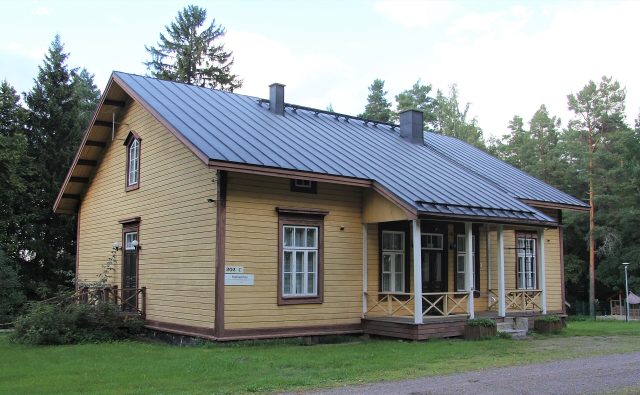
The building itself is part of the experience. The original depot, built in the early 1900s, retains its industrial character—tall brick walls, towering doors that once welcomed steam engines, and tracks stretching into the distance, as if inviting visitors to climb aboard. Inside, the space is arranged to immerse you in the past. Workshops, stationmaster offices, ticket booths, and even train compartments from different eras have been recreated with meticulous detail. The effect is uncanny; it’s easy to forget you’re in a museum and not a moment frozen in time.
The heart of the collection is its locomotives and carriages, spanning from the mid-19th century to modern electric trains. Among the highlights are the legendary Hr1 steam engines, which for decades were the backbone of Finnish passenger rail. These robust machines, with their distinctive silhouettes, became icons of the country’s railway system. Nearby, you’ll find carriages of every kind—luxurious salon cars once reserved for the elite, and humble wooden benches from third-class compartments, where ordinary travelers sat. Each piece tells a story, and if you listen closely, you might almost hear the whistle of a departing train or the clatter of wheels on the tracks.
But the museum isn’t just about machines. It’s also about the people who made the railways run. Exhibits feature photographs, documents, and personal belongings of engineers, conductors, dispatchers, and other workers, offering a glimpse into their lives. You can trace how working conditions evolved, learn about the traditions among railway staff, and hear tales of resilience—like how trains were used to evacuate civilians during wartime or how crews kept the lines open through harsh Nordic winters. These human stories give the museum its soul, reminding visitors that behind every rusted bolt or faded timetable was a person with a name and a story.
For those who want more than just observation, the museum offers hands-on experiences. You can step into the cab of a locomotive, try your hand at dispatching trains, or take a ride on a historic train along a short loop of track. Children, in particular, love these interactive elements, but adults often find themselves just as captivated by the chance to sit at the controls of a real engine. In the summer, the museum comes alive with special events—guided rides on vintage trains, themed festivals, and even nighttime tours with lanterns, turning the depot into a playground for railway enthusiasts of all ages.
Hyvinkää was a natural choice for the museum. The town has long been a key railway hub, where lines from Helsinki branched northward, and trains stopped to refuel and restock. Hundreds of people once worked here, keeping the system moving, and the town still carries that legacy. Visitors often pair a trip to the museum with a stroll through Hyvinkää itself—a quiet, pleasant place with parks, historic buildings, and a relaxed pace that makes it easy to imagine the town’s railway heyday.
While the museum is a paradise for train lovers, its appeal goes far beyond. It’s a place for anyone curious about history, architecture, or the forces that shaped Finland. Here, you can see how the country developed, how technology advanced, and how the railway transformed lives—bringing goods to market, enabling migration, and shrinking distances. It’s a reminder of how much we take for granted today: the ease of travel, the reliability of supply chains, the way a single track can connect people across vast spaces.
Even if you’ve never given much thought to trains, the Finnish Railway Museum has a way of making you see them differently. It’s not just about the mechanics of movement, but the way railroads have woven themselves into the fabric of society. Standing in the shadow of a towering steam engine or walking through a recreated station, it’s hard not to feel a sense of awe for the ingenuity and effort that went into building these networks. They weren’t just steel and steam—they were lifelines, dreams on wheels, and in Hyvinkää, they’re still very much alive.