St James Theatre in Wellington is one of those rare places that feels suspended between eras, as if the past and present coexist within its walls. Built in the early 1900s, it wasn’t just another building—it became a vessel for the city’s cultural memory. Over the decades, its stage has hosted everything from early theatrical performances to film premieres, back when cinema was still a novelty. Today, it remains a living space, where classic plays share the spotlight with bold contemporary works, proving that some traditions never fade—they simply evolve.
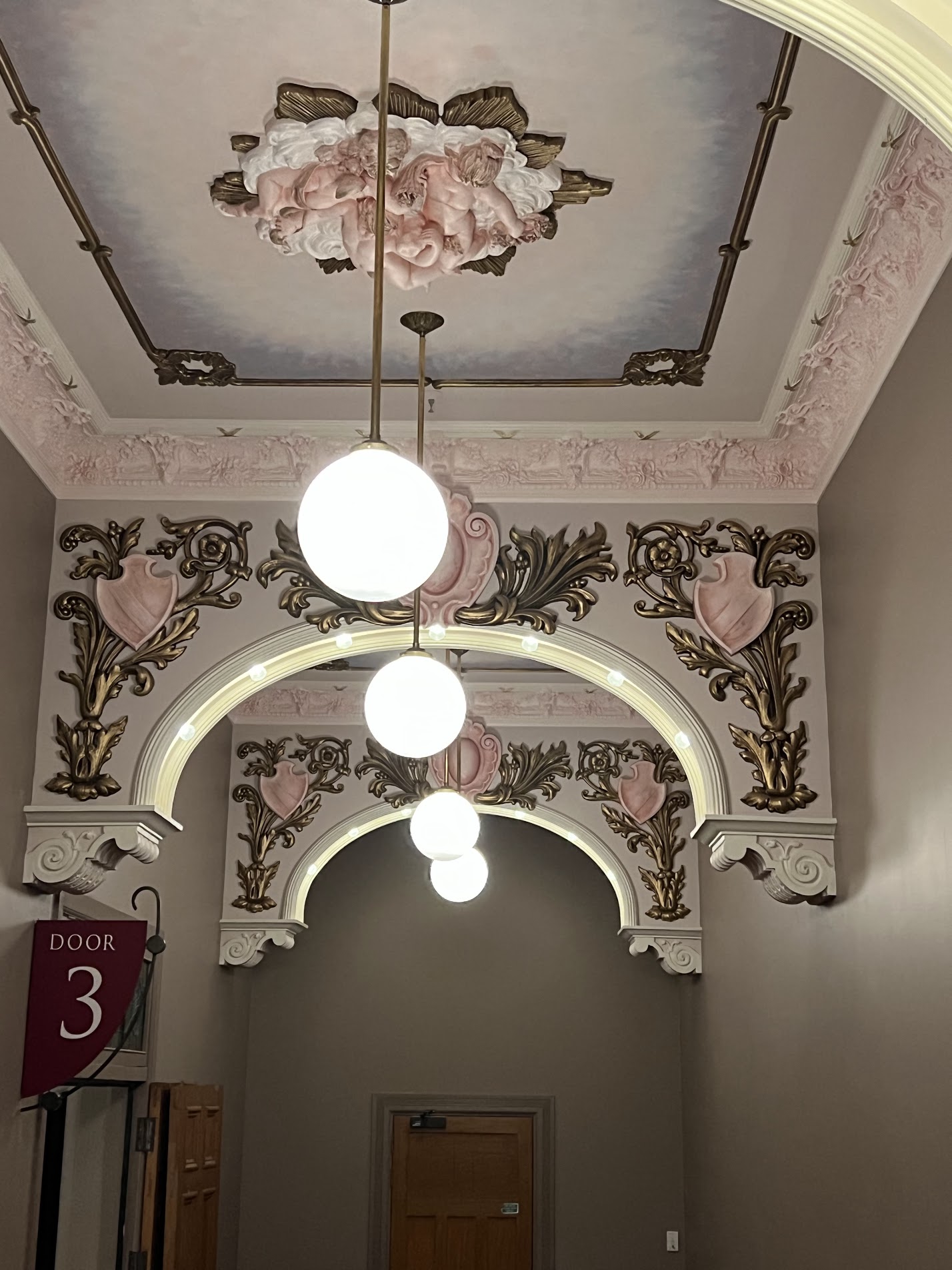
The theatre’s architecture tells its own story. The façade blends neoclassical and art deco elements, standing out against the surrounding buildings along Cuba Street. Inside, the details whisper of another time: ornate plaster ceilings, grand chandeliers, and polished wood panelling. These aren’t just decorative touches—they’re remnants of an era when theatres were designed to transport audiences before the curtain even rose. While the building has been updated over the years, the essence of the place has been carefully preserved. Walking through its doors, you don’t just enter a venue; you step into a continuum where every performance, every applause, feels like part of something enduring.
St James has always been more than a stage. During World War II, it briefly served as a shelter for evacuees, a reminder of how public spaces adapt in times of crisis. In peacetime, it became a hub for concerts, political gatherings, and charity events, reflecting the city’s social pulse. Today, the theatre’s role is just as dynamic. Beyond plays, it hosts lectures, festivals, and conversations with artists and thinkers. It’s a place where culture isn’t just consumed—it’s lived, debated, and carried into the streets afterward.
For Wellington, a city known for its creative energy, St James is a vital anchor. Here, art isn’t dictated by commercial trends. The programming is eclectic, ranging from Shakespeare to experimental New Zealand playwrights, from opera to avant-garde performances. The theatre nurtures local talent, giving artists room to take risks, while also bringing in international acts to challenge and inspire audiences. It’s a space where the unexpected is always welcome, and where the line between performer and spectator often blurs.
One of the theatre’s defining traits is its intimacy. The auditorium isn’t vast, which means there’s no such thing as a bad seat. The distance between the stage and the audience is minimal, creating a sense of shared experience. Whether it’s a quiet drama or a raucous comedy, the energy in the room is palpable. This closeness is part of why people keep coming back—not just for the art, but for the feeling of being part of something collective. In an age of sprawling entertainment complexes, St James offers something rarer: a sense of connection.
The theatre is also woven into the fabric of Wellington itself. Tucked in the city centre, it’s surrounded by cafés, bookshops, and galleries, making it easy to turn a night at the theatre into a full evening out. After a show, you might find yourself in a nearby bar, dissecting the performance over a glass of wine or a flat white. The city’s cultural life seems to orbit around this place, and in return, the theatre reflects the city’s character—unpretentious, vibrant, and always a little unpredictable.
Like many historic buildings, St James has faced its share of challenges. There have been moments when its future seemed uncertain, whether due to funding struggles or threats of demolition. Yet each time, it was saved by those who recognized its value—not just as a landmark, but as a living space. Today, it stands as proof that preservation isn’t about freezing a building in time; it’s about allowing it to grow, to change, and to keep serving the community in new ways.
If you ever find yourself in Wellington, the theatre is worth a visit, even if nothing on the schedule catches your eye. The building itself is a story. Wander through the foyer, sit in the auditorium, and listen to the quiet hum of anticipation before a show begins. You might start to understand why, for so many, a theatre is more than just a place to watch a performance. It’s a place where time moves differently, where art isn’t just observed—it’s felt. And in a world that often feels transient, that’s something worth holding onto.